What Is an Automotive Cable and Which Type Do You Need?
An automotive cable is more than copper covered with plastic. It carries power, signals, or data through demanding vehicle environments. Behind a dashboard, one cable may face vibration, heat, moisture, chemicals, and repeated movement. Near an engine, temperatures can rise sharply. Inside a door, bending fatigue becomes a daily concern.
“Choose the cable for the environment, not only for the current,” says Martin Keller, an automotive cable engineer with more than two decades of harness design experience. His advice sounds simple. It is also easy to ignore.
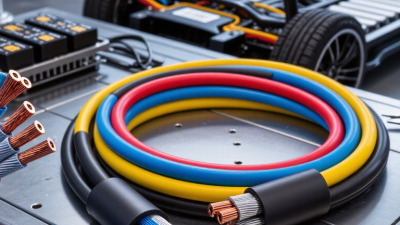
The correct cable depends on several practical details. A battery cable needs a large conductor and strong insulation. A sensor cable may need shielding against electrical interference. CAN bus wiring commonly uses twisted pairs for reliable communication. High-voltage electric vehicle cables require specialized insulation, shielding, and visible orange jackets. Their design cannot be treated like ordinary 12-volt wiring.
Length matters too. A long cable can lose voltage, even when its conductor seems thick enough. Temperature changes resistance. Tight bends can damage insulation over time. Poor terminals may create heat at a connection point, sometimes before the cable itself fails.
This guide explains the main automotive cable types and their typical applications. It also considers conductor size, insulation material, flexibility, temperature rating, shielding, and installation conditions. Some choices look obvious but are not. A cable that works perfectly in a cabin may fail beside an exhaust manifold. That uncomfortable possibility deserves attention before installation begins.
What Is an Automotive Cable and What Does It Do?
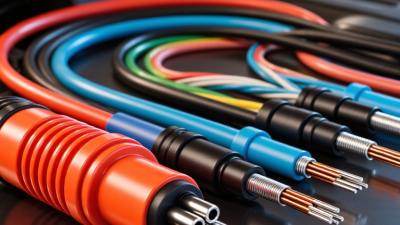
An automotive cable is a protected conductor that carries electrical power or signals through a vehicle. It may connect the battery, starter, sensors, lighting, control units, or charging system. Power cables usually contain copper strands with thick insulation. Signal cables are often thinner and need protection from electrical interference.
Its job sounds simple, but the conditions are severe. Cables may face engine heat, oil, vibration, moisture, sharp edges, and repeated bending. During workshop inspections, damaged insulation often appears near clamps and connectors. That small crack can interrupt a safety sensor or create heat at a poor connection. It is not always the cable itself. Installation matters too.
The International Energy Agency reported over 17 million electric cars sold globally in 2024, representing more than 20% of new car sales. This shift increases demand for high-voltage cables and charging connections. The cables must carry greater electrical loads while resisting heat and abrasion. A cable for a 12-volt lighting circuit should not replace a high-voltage traction cable. That mistake can be dangerous.
Choosing the right type starts with voltage, current, temperature, flexibility, length, and routing. Automotive wiring standards also define insulation and performance requirements. Yet specifications can be incomplete. Real vehicle conditions may differ from laboratory tests. Check the service manual, connector design, and measured operating temperature before selecting a replacement. A perfect-looking cable can still fail when bent too tightly.
How Automotive Cables Are Built and Classified
What Is an Automotive Cable and Which Type Do You Need?
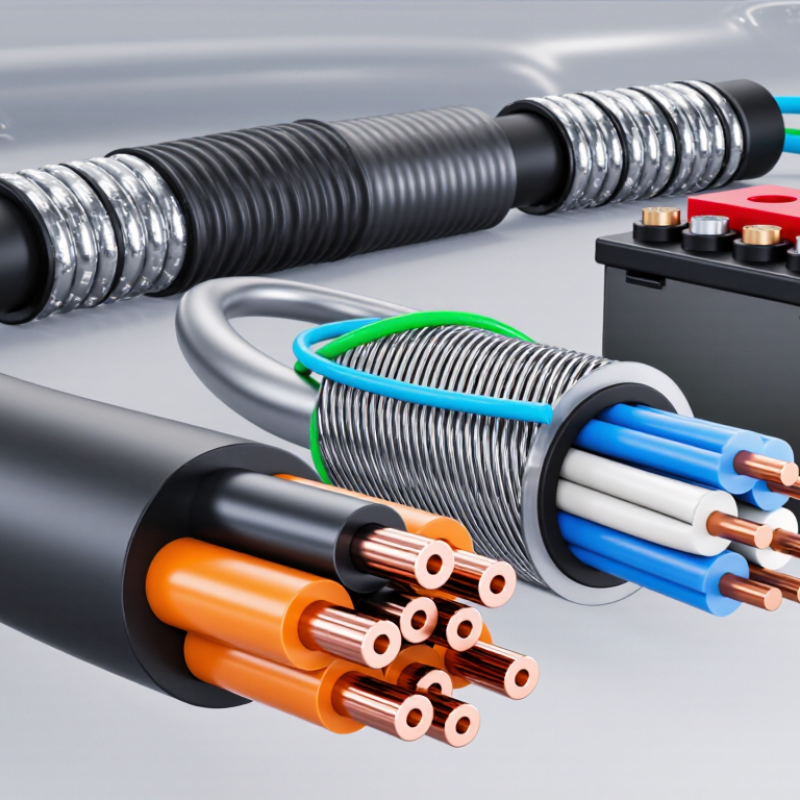
Automotive cables carry electrical power or signals through vehicles. Their construction usually starts with a copper conductor, chosen for low resistance and reliable current flow. Some cables use finely stranded copper for repeated movement near hinges, engines, or steering systems. Others use fewer, thicker strands for higher current loads. The conductor is covered with insulation, often made from PVC, cross-linked polyethylene, or another heat-resistant material. That outer layer must resist oil, moisture, abrasion, and temperature changes.
Automotive cables are classified by conductor size, voltage rating, temperature range, flexibility, and intended circuit. A thick battery cable handles heavy current during engine starting. A smaller control cable may serve lighting, sensors, or communication systems. Shielded cables reduce electromagnetic interference around sensitive signals. Multi-core cables combine several circuits inside one jacket. Cable construction matters.
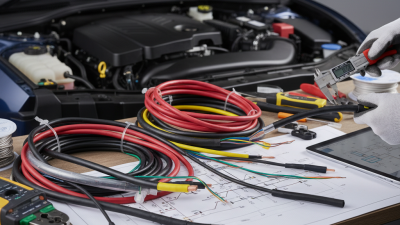
Selection should match the vehicle’s wiring diagram and the circuit’s measured load. Check the required gauge, insulation temperature, bend radius, and terminal style. In wet areas, sealed connections and resistant jackets provide better durability. A cable can look suitable and still fail under heat or vibration. This is where practical inspection matters. I would also verify routing clearance, because a perfect cable can become unreliable when pressed against a sharp bracket.
Which Types of Automotive Cables Are Available?
Automotive cables come in several types, and each one handles a different job. Battery cables carry high current between the battery, starter, and ground points. They need thick conductors, strong terminals, and insulation that tolerates engine heat. Ignition cables transfer high-voltage energy to spark plugs, while sensor cables carry delicate signals from temperature, oxygen, or speed sensors. These wires usually need shielding and careful routing.
Other common options include trailer wiring cables, control cables, and communication cables for modern vehicle networks. Trailer cables must resist water, vibration, and repeated bending. Control cables operate mechanical parts, such as throttle or parking-brake systems. Communication cables often use twisted pairs to reduce electrical interference.
I have seen a cable fail because its current rating looked suitable, but its insulation softened near the exhaust.
Tips: Match the cable to current, voltage, temperature, flexibility, and length. Check the vehicle service data before replacing it. Keep cables away from sharp edges and hot surfaces. Secure loose sections with suitable clips. Small details matter.
Choosing the correct type is not always straightforward. A starter cable and a sensor wire may look similar from a distance, yet their internal construction differs greatly. Check terminal size, conductor material, insulation thickness, and environmental resistance. If the routing is uncertain, photograph the original path before removal. That simple step can prevent an expensive mistake.
How to Choose the Right Cable for Your Vehicle
An automotive cable carries power or signals through a vehicle’s demanding environment.
Choosing the right cable requires more than matching wire size. You must check current, voltage, temperature, flexibility, insulation, and installation space. ISO 6722 provides requirements for road-vehicle cables, including electrical, mechanical, and environmental performance. SAE J1128 also defines common low-voltage cable categories used in vehicles.
Start with the vehicle’s service manual and measure the circuit’s maximum load. A starter cable needs low resistance and strong insulation. A sensor cable needs flexibility, stable signal transmission, and protection from electrical noise.
Electric vehicles require additional care. The International Energy Agency reported nearly 14 million electric car sales worldwide in 2023. This growth increases demand for high-voltage cables with suitable shielding and orange safety identification. Still, a thicker cable is not always better. It may be difficult to route and can create unnecessary weight. I have seen cable choices fail because installers ignored heat near exhaust components.
Tips:
Match the cable’s rated voltage and current to the circuit. Check temperature ratings near engines and batteries. Measure the route before buying. Use sealed connectors in wet areas. Confirm bend radius and abrasion protection. A cable can look correct and still perform poorly.
Check technical sheets, not only product photos. Verify conductor material, cross-sectional area, insulation type, and compliance references. The IEA data explains market direction, but it does not replace vehicle-specific testing. That distinction matters. When uncertainty remains, consult a qualified automotive electrician and recheck the installation after initial use.