What are the Benefits of Using Braided Wire in Manufacturing?
In the realm of manufacturing, the choice of materials significantly impacts product quality and performance. Braided wire has emerged as a vital component across various industries. According to Dr. Emily Foster, an expert in material science, "Braided wire enhances durability while offering unique flexibility." This statement underscores the importance of understanding the benefits that braided wire brings to manufacturing processes.
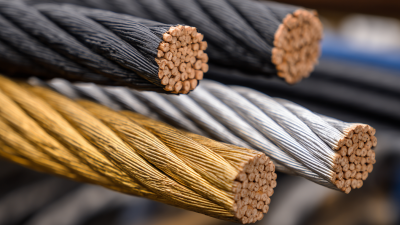
When we look at braided wire, it reveals numerous advantages. Its structure consists of multiple strands, woven together to create strength. This unique configuration provides a balance between robustness and lightweight characteristics. Industries like aerospace and automotive heavily rely on braided wire for applications that demand high tensile strength combined with flexibility. The wire’s resistance to corrosion is another crucial factor.
However, reliance on braided wire is not without challenges. Proper evaluation is essential to ensure it meets specific manufacturing needs. Not all braided wires are created equal, and selecting the wrong type can lead to failure in applications. Careful selection processes and testing routines are paramount to harnessing the full potential of braided wire.
Benefits of Braided Wire in Electrical Manufacturing Applications
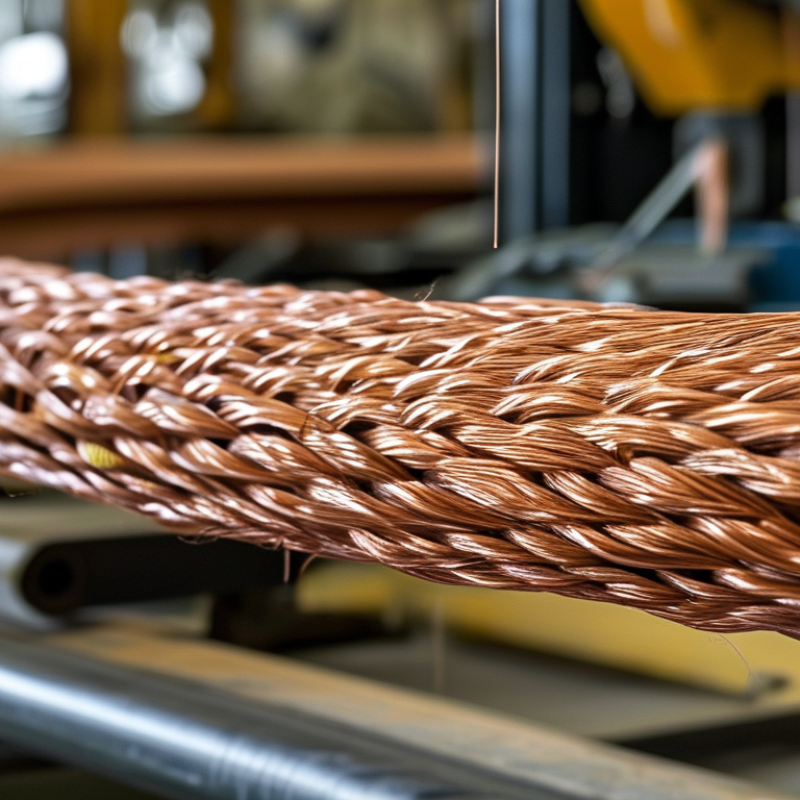
Braided wire is increasingly popular in electrical manufacturing for several reasons. Its design allows for flexibility, making it easier to install in tight spaces. The braided structure also enhances conductivity, ensuring efficient transmission of electrical signals. This is crucial for applications such as wiring harnesses and circuit assemblies.
Another significant benefit of braided wire is its durability. When subjected to bending and twisting, it resists breakage better than traditional solid wire. This resilience is essential in machinery where movement is constant. However, manufacturers must ensure quality control in the braiding process to avoid weak points.
Cost-effectiveness is also a consideration. While braided wire can be more expensive initially, its long lifespan often leads to overall savings. Yet, the initial investment can be a hurdle for some companies. Exploring materials and manufacturing methods may yield better options. Manufacturers must weigh these factors carefully when deciding on materials.
Improved Durability and Flexibility of Braided Wire in Industrial Use
Braided wire is gaining popularity in manufacturing due to its improved durability and flexibility. This type of wire comprises multiple strands woven together, resulting in a stronger and more resilient product. According to industry research, braided wires can withstand up to 30% more stress than traditional counterparts. This tensile strength makes them ideal for applications in harsh environments.
Flexibility is another key advantage of braided wire. It can bend and twist without compromising integrity. This makes it suitable for dynamic applications, such as robotics and flexible electronics, where movement is constant. Reports indicate that industries utilizing braided wire see a reduction in maintenance costs by approximately 15% due to its longevity and reduced wear.
**Tips:** When selecting braided wire, consider the specific application. Evaluate stress points and required flexibility. Additionally, always verify the wire’s compatibility with environmental conditions, as not all braided wires perform equally in every setting. Understanding these factors can lead to better product outcomes and enhance overall efficiency.
What are the Benefits of Using Braided Wire in Manufacturing? - Improved Durability and Flexibility of Braided Wire in Industrial Use
| Feature |
Braided Wire |
Traditional Wire |
| Durability |
High resistance to wear and fatigue |
Moderate durability, prone to breakage |
| Flexibility |
Excellent flexibility for dynamic applications |
Limited flexibility, rigid in structure |
| Weight |
Lightweight, reducing overall system weight |
Generally heavier, increasing system load |
| Cost-effectiveness |
Higher initial cost, but longer lifespan |
Lower cost, but needs frequent replacement |
| Installation |
Easier to install in tight spaces |
Installation can be cumbersome in confined areas |
Cost-Effectiveness of Braided Wire Compared to Traditional Wiring Solutions
Braided wire offers significant cost-effectiveness for manufacturers. Its design provides greater strength and flexibility than traditional wiring solutions. This means fewer materials are needed to achieve the same performance. In turn, this can lead to reduced manufacturing costs over time.
One common issue with traditional wires is their tendency to fray or break under stress. Braided wire circumvents this by distributing tension evenly. This durability can lead to lower replacement and repair costs, saving money in the long run. Fewer maintenance issues lead to less downtime for production.
Tips: When choosing braided wire, consider its gauge and material carefully. A thicker gauge may provide more strength, but also increased weight. Always conduct stress tests to determine the right fit for your application. Emphasizing the right type of braided wire can maximize savings and efficiency in production processes. Choose wisely to avoid costly mistakes.
Benefits of Using Braided Wire in Manufacturing
Enhanced Conductivity: The Performance Advantages of Braided Wire
Braided wire has become increasingly important in manufacturing due to its enhanced conductivity. This performance advantage stems from the wire's multi-strand structure, which allows for greater surface area contact. Industry reports indicate that braided wire can achieve conductivity levels up to 15% higher than traditional solid wire. This can result in significant efficiency gains in electrical applications.
Moreover, the flexibility and durability of braided wire contribute to its effectiveness. In environments where wire movement is constant, braided wire resists wear and tear better than its solid counterparts. According to a recent study by the International Electrotechnical Commission, braided wire can last up to twice as long under stress. This longevity not only reduces replacement costs but also minimizes downtime in manufacturing processes.
However, it's important to note that not all applications may benefit equally from braided wire. While it excels in conductivity and flexibility, its higher manufacturing cost can be a deterrent for some industries. It's crucial for manufacturers to assess their specific needs and weigh the cost versus benefits before making a switch. This careful consideration is necessary for optimizing production efficiency while managing budget constraints.
Applications of Braided Wire Across Various Manufacturing Industries
Braided wire has found extensive applications across various manufacturing industries due to its unique properties. In the electronics sector, for instance, braided wire serves as an effective grounding solution. The flexibility of braided strands allows for complex configurations in tight spaces, ensuring reliable connections and enhancing safety. Additionally, braided wire offers excellent conductivity, often preferred in high-frequency applications.
In the automotive industry, braided wires are employed in fuel systems and electrical harnesses. Their robustness can withstand vibrations and heat, which are common in vehicles. These wires also provide reliable shielding against electromagnetic interference, a critical factor in modern automotive technology. The demand for lightweight and strong materials makes braided wire a popular choice for manufacturers.
However, challenges exist. While braided wire is versatile, its manufacturing process can be intricate. Ensuring uniformity in wire gauge and tension can be difficult. Additionally, the cost may be higher compared to traditional wiring solutions. Manufacturers must weigh the benefits against these complexities. Balancing performance and cost is crucial in decision-making. This ongoing reflection is essential for companies striving to innovate in their manufacturing processes.