Top Benefits of Using Silicone Wire in Electrical Applications?
Silicone wire has become a popular choice in various electrical applications. Its unique properties set it apart from traditional wiring solutions. This versatile material exhibits excellent flexibility and durability, which are crucial for many projects.
One significant advantage of silicone wire is its remarkable temperature resistance. It can withstand extreme heat without losing its integrity. This makes it suitable for environments that experience rapid temperature changes. Moreover, silicone wire is highly resistant to moisture and chemicals. This resistance ensures longevity and reliability in challenging conditions.
Many professionals swear by silicone wire for its ease of installation. It is lightweight and easy to maneuver, saving time during setup. However, some may find its cost a drawback compared to standard wires. Despite this, the long-term benefits often outweigh the initial investment. In industries where precision and safety matter, silicone wire is often the go-to choice.
Benefits of Silicone Wire in High-Temperature Environments
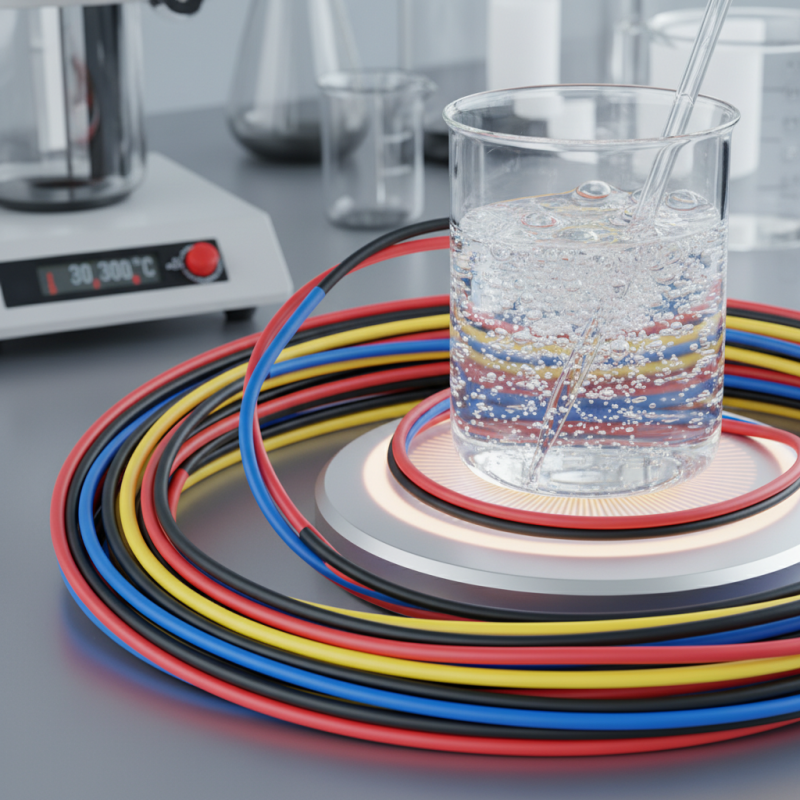
Silicone wire stands out in high-temperature environments due to its exceptional thermal stability. Unlike traditional materials, silicone can withstand temperatures ranging from -60°C to 200°C. According to industry data, silicone wire retains its flexibility and insulation properties even when exposed to extreme conditions. This makes it ideal for applications like automotive, aerospace, and industrial machinery.
In addition to heat resistance, silicone wire is also highly resistant to moisture and chemicals. This attribute significantly enhances its longevity and performance in challenging environments. A report from a leading electrical engineering journal indicates that silicone wire can endure harsh conditions without compromising safety or efficiency. Industry professionals recommend silicone wire for applications where reliability is critical.
**Tip:** Always consider the specific temperature range of your application. Not every silicone wire is designed for extreme temperatures, so verify the specifications before choosing.
**Tip:** Regularly inspect silicone insulation for signs of wear. While silicone is durable, prolonged exposure to certain environments may still cause degradation over time.
Top Benefits of Using Silicone Wire in Electrical Applications
Silicone wire offers significant advantages in electrical applications, especially in high-temperature environments. Key benefits include exceptional high-temperature resistance, flexibility, durability, superior electrical insulation, and robust chemical resistance, making it an ideal choice for various uses in challenging conditions.
Flexibility and Durability of Silicone Wire in Various Applications
Silicone wire is rapidly becoming a preferred choice in electrical applications due to its unparalleled flexibility and durability. In environments where traditional wires might fail, silicone wire excels. Research indicates that silicone can withstand extreme temperatures, ranging from -60°C to 200°C. This temperature resilience makes it ideal for use in automotive and aerospace industries, where conditions can be harsh.
The flexibility of silicone wire allows for easy installation in tight spaces. It can bend and twist without suffering damage. This flexibility is particularly beneficial in robotics and compact electronic devices, where space is at a premium. Moreover, silicone wire is resistant to abrasion and chemicals. According to a 2022 industry report, wires that incorporate silicone show a 30% increase in lifespan compared to conventional alternatives under similar conditions.
However, not all applications require such robust resistance. Using silicone wire in less demanding environments may not be cost-effective. The higher manufacturing costs can be a deterrent, especially in large-scale projects. Evaluating specific application conditions can help determine the real value of silicone wire in a given scenario. Though its benefits are clear, assessing the need for such specialized materials is essential for optimal financial planning.
Electrical Insulation Properties of Silicone Wire Explained
Silicone wire stands out due to its remarkable electrical insulation properties. This wire can withstand extreme temperatures, ranging from -50°C to 180°C. Its flexibility makes it easy to handle, even in tight spaces. Silicone insulation does not harden or crack over time, maintaining its integrity. This characteristic is crucial for electrical applications that require durability.
When working with silicone wire, consider the environment. High humidity or moisture can impact performance. Make sure to choose the right silicone grade. Testing and understanding the wire’s limits can help prevent failures.
A useful tip: always strip the wire carefully to avoid damage. Unwanted fraying can compromise insulation. Another tip is to check for heat resistance ratings. Not all silicone wires are created equally. Understanding the specifications ensures safety and efficiency.
Resistance to Environmental Factors in Silicone Wire
Silicone wire has distinct properties that make it ideal for various electrical applications. One standout feature is its resistance to environmental factors. Silicone material can withstand extreme temperatures, ranging from -60°C to 200°C. This range is impressive, especially for wires exposed to harsh conditions.
Rain, humidity, and dust can affect electrical systems. Standard wires may corrode or degrade. Silicone wire, however, remains unaffected. It is moisture-resistant, preventing any water damage or short-circuits. This reliability is crucial in outdoor installations or industries like automotive and marine.
Another notable characteristic is its UV resistance. Silicone wire does not degrade under prolonged sun exposure. This durability helps maintain electrical connections over time. However, users should still inspect wires regularly for potential wear. Insights from experience remind us that even the best materials may require vigilance. Therefore, while silicone wire offers advantages, it’s essential to remain proactive in monitoring its condition.
Top Benefits of Using Silicone Wire in Electrical Applications
| Benefit |
Description |
Application |
| High Temperature Resistance |
Silicone wires can withstand extreme temperatures ranging from -60°C to 200°C. |
Automotive and Aerospace Industries |
| Flexibility |
Silicone wire remains flexible even at low temperatures, allowing for easy installation. |
Consumer Electronics |
| Chemical Resistance |
Silicone wires are resistant to many chemicals and oils, increasing longevity. |
Industrial Applications |
| Water Resistance |
Silicone is inherently water-resistant, making it suitable for wet environments. |
Marine Equipment |
| Electrical Insulation |
Silicone provides excellent electrical insulation properties, reducing the risk of short circuits. |
Electrical Wiring |
Cost-Effectiveness of Silicone Wire in Long-Term Use
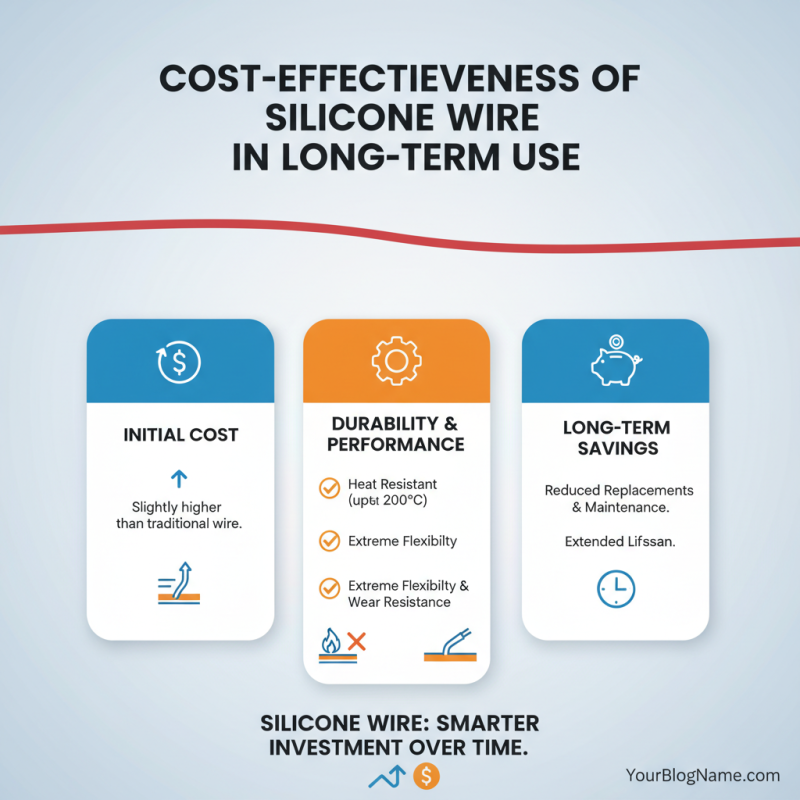
Silicone wire offers significant advantages in electrical applications, particularly in terms of cost-effectiveness over time. This wire type excels in heat resistance and flexibility, making it ideal for various environments. In many cases, traditional wires fail due to heat and wear, leading to costly replacements. Silicone wires can handle higher temperatures without degrading, reducing long-term maintenance costs.
When considering long-term usage, silicone wire can be a wise investment. Initial installation may cost slightly more, but the durability pays off. Many users report fewer failures and repairs, resulting in lower operational costs. The ability of silicone wire to withstand different conditions eliminates the need for frequent replacements. This longevity fosters confidence in the wiring system.
However, not all applications may benefit equally from silicone wire. In some cases, users might need to consider specific project requirements. Evaluating every situation carefully helps in making informed choices. Users should also be aware of varying performance in extreme conditions. Ultimately, silicone wire can enhance reliability while potentially lowering lifetime costs, but careful consideration is essential.