2026 Best Heat Resistant Wire for Global Buyers?
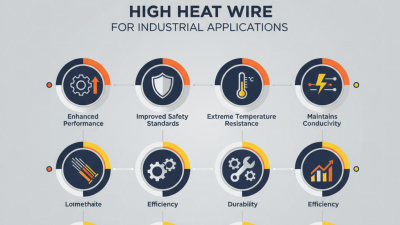
In today's fast-paced world, selecting the right heat resistant wire is crucial for various applications. With advancements in technology, the market offers numerous options. However, not all wires are created equal. Understanding the properties and best use cases of heat resistant wire can make a significant difference in performance.
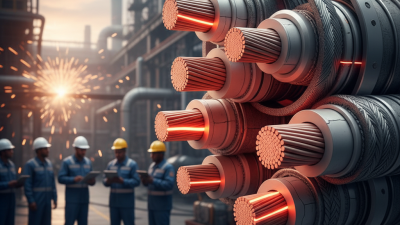
Many industries rely on heat resistant wire for safety and efficiency. For instance, automotive and aerospace sectors use this wire to withstand extreme temperatures. It is essential to evaluate the specific needs of your project. A wire's composition and ratings can deeply affect its effectiveness. Therefore, making informed choices is vital.
Buyers often face an overwhelming selection. It is important to recognize that affordability does not always equate to quality. Some wires may promise high performance but fail to deliver in practical scenarios. Thus, careful consideration and research are necessary to ensure reliability and performance.

Understanding Heat Resistant Wire: Definition and Applications
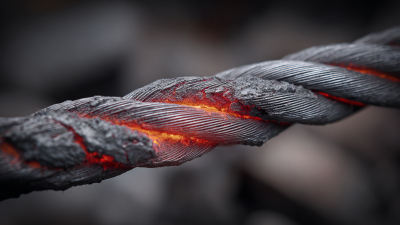
Heat-resistant wire is crucial in various industries, especially where high temperatures are involved. Understanding its definition and applications is essential for anyone working in electronics, automotive, or manufacturing sectors. These wires can withstand extreme heat, ensuring safety and durability. They are commonly used in applications such as furnace wiring, high-performance engines, and even aerospace components.
When selecting heat-resistant wire, consider its temperature rating. Wires are made from materials like silicone, Teflon, or fiberglass. Each has unique properties suited for different conditions. For example, silicone wires are flexible and excellent for high temperatures, while Teflon offers superior insulation.
**Tip:** Always check the wire's maximum temperature tolerance. This can prevent failures in critical applications.
Many users overlook proper installation techniques. Heat can change wire properties, leading to potential risks. Ensure connections are secure and wires are placed away from other heat sources. Regular inspections can identify wear before it leads to significant issues.
**Tip:** Implement a routine maintenance schedule. This can prolong the life of your heat-resistant wiring.
2026 Best Heat Resistant Wire for Global Buyers
| Wire Type |
Max Temperature (°C) |
Material |
Applications |
Diameter Range (mm) |
| Silicone Rubber Wire |
200 |
Silicone |
Automotive, Appliances |
0.5 - 10 |
| PTFE Coated Wire |
260 |
PTFE |
Aerospace, Electronics |
0.1 - 5 |
| Glass Fiber Wire |
300 |
Glass Fiber |
Industrial Heating, Insulation |
0.6 - 8 |
| Kapton Wire |
200 |
Polyimide |
Rugged Environments, Robotics |
0.5 - 3 |
| Rubber Insulated Wire |
150 |
Rubber |
General Electrical |
0.2 - 6 |
Key Materials Used in Manufacturing Heat Resistant Wire
Heat resistant wire is crucial in various industries. The right materials can make a significant difference in performance and durability. Companies often choose wires made from alloys like nickel or copper. These metals can withstand high temperatures without losing their integrity.
Silicone rubber is another popular choice in manufacturing. It offers excellent thermal stability. This material can endure extreme heat while remaining flexible. Additionally, fiberglass is frequently used for insulation. It provides effective thermal protection and can handle elevated temperatures.
Designing heat resistant wire requires focusing on specific applications. Not all materials are suitable for every environment. Factors such as exposure to chemicals and moisture must be considered. Manufacturers often need to experiment with combinations of materials. This trial-and-error process aids in achieving optimal performance. Understanding these nuances is essential for ensuring product reliability.
Criteria for Selecting the Best Heat Resistant Wire
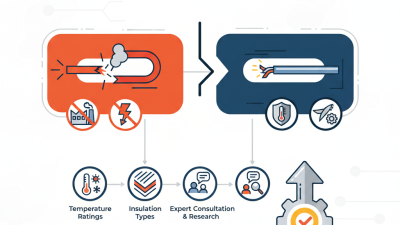
Selecting the right heat resistant wire is crucial for various applications. Users should focus on several key criteria. First, consider the temperature range the wire can withstand. Different materials have unique tolerances. Look for wires that maintain integrity under high temperatures.
Material composition is another vital factor. Some wires are made from silicone, while others use different polymers. Knowing your application helps determine the best fit. Check for certifications that ensure quality and safety. Reliable wires come with detailed specifications and usage guidelines.
Lastly, evaluate the wire's flexibility and durability. A wire that is too rigid can be difficult to work with. Reflect on past experiences; an inflexible wire can hinder installation. Make sure to read user reviews to understand performance in real-world scenarios. Fine-tuning these choices enhances overall project success.
2026 Best Heat Resistant Wire for Global Buyers
This chart displays the temperature resistance of various types of heat-resistant wires. Silicone, PTFE, Glass Fiber, Kapton, and Ceramic wires are compared based on their maximum temperature tolerance, helping global buyers make informed decisions.
Top 2026 Brands and Products in Heat Resistant Wire Market
In the competitive world of heat resistant wires, selecting the right product is essential. The market is evolving quickly. Buyers must focus on materials that withstand high temperatures without losing performance. Common types include silicone, PTFE, and fiberglass wires. Each type has specific applications and performance characteristics.
Many brands offer heat resistant wires that excel in durability and flexibility. For example, wires with a silicone coating can tolerate extreme heat while maintaining excellent insulation properties. Another valuable option is PTFE wires, known for their chemical resistance and electrical insulation capabilities. These attributes make them popular in various industries, including automotive and aerospace.
However, navigating this market is not always straightforward. The sheer number of options can be overwhelming. Buyers may face difficulties in determining the right wire type for their needs. It is crucial to evaluate product specifications closely. Additionally, consulting industry experts can provide insights into the best choices for specific applications. Long-term reliability is important, but users should also consider changing technologies or materials that may better suit future needs.
Global Trends in Heat Resistant Wire Industry for Buyers
The heat-resistant wire industry is evolving rapidly. Recent reports predict a steady growth rate of approximately 5% annually until 2026. Key driving factors include increased demand from sectors like
automotive and aerospace. These industries prioritize materials that withstand extreme temperatures, ensuring safety and durability.
Tips: Always verify the heat tolerance of the wire. Different applications may require different specifications.
High-temperature wire materials, such as PTFE and silicone, are gaining popularity due to their superior performance. As technology advances, manufacturers are innovating new solutions. However, challenges remain.
Cost-effectiveness and compliance with safety standards can be hurdles for adoption. Buyers must consider these aspects carefully before making decisions.
Tips: Regularly assess the latest trends in material science. Keeping updated can lead to better procurement choices.