Discover the Best Heat Resistant Wire for Your Global Sourcing Needs?
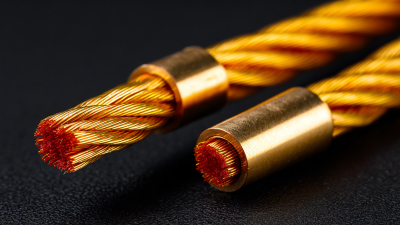
When selecting the best heat resistant wire for your global sourcing needs, it’s critical to consider various factors. Reliable heat resistant wire can withstand extreme temperatures. This makes it essential for industries such as aerospace, automotive, and electronics. The right wire improves safety and increases longevity.
Choosing the wrong type of heat resistant wire can lead to significant issues. Fires, equipment failure, and costly downtime may occur. This emphasizes the need for informed selections backed by expert knowledge. Understanding materials, construction, and certifications is vital to making a sound choice. Consistently evaluating supplier credibility is equally important, as not all manufacturers adhere to strict standards.
Navigating the diverse market for heat resistant wire can be challenging. Our goal is to streamline this process for you. With detailed insights and practical tips, we will guide you through best practices in sourcing the ideal wire. The right choice will not only meet your needs but also exceed your expectations.

Understanding Heat Resistant Wire: Key Features and Applications
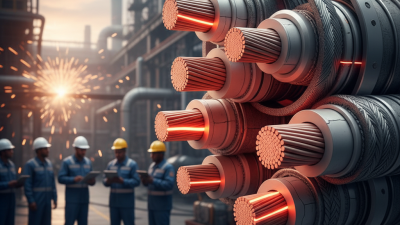
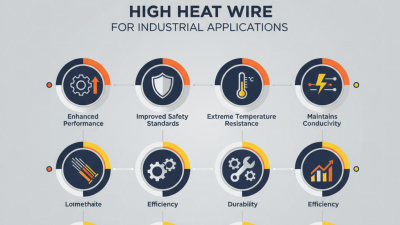
Heat resistant wire is essential in various industries where high temperatures are the norm. In manufacturing and aerospace, wires must withstand extreme conditions without degradation. Understanding the key features of heat resistant wire can aid in selecting the right type for specific applications.
One critical aspect is temperature tolerance. High-quality heat resistant wires can endure temperatures as high as 300°C. This resilience ensures safe and reliable operation in demanding environments. Insulation types also vary, with materials like silicone, fiberglass, and PTFE being popular choices. Each insulation type comes with unique benefits, so careful consideration is needed based on your application's specific thermal and chemical exposure.
The applications of heat resistant wire are diverse. From automotive uses to high-power electrical systems, the demand is growing. However, sourcing the best wire presents challenges. Some products may not meet expected standards, causing potential safety hazards. Conducting thorough research and consulting experts in the field can minimize risks. It’s crucial to ensure the wire not only meets temperature needs but also adheres to safety regulations.
Best Heat Resistant Wire: Key Features and Applications
Types of Heat Resistant Wire Available in the Global Market
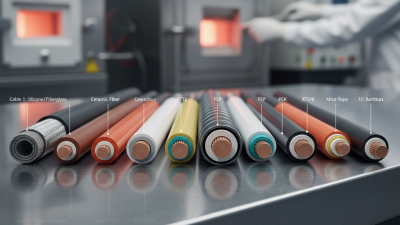
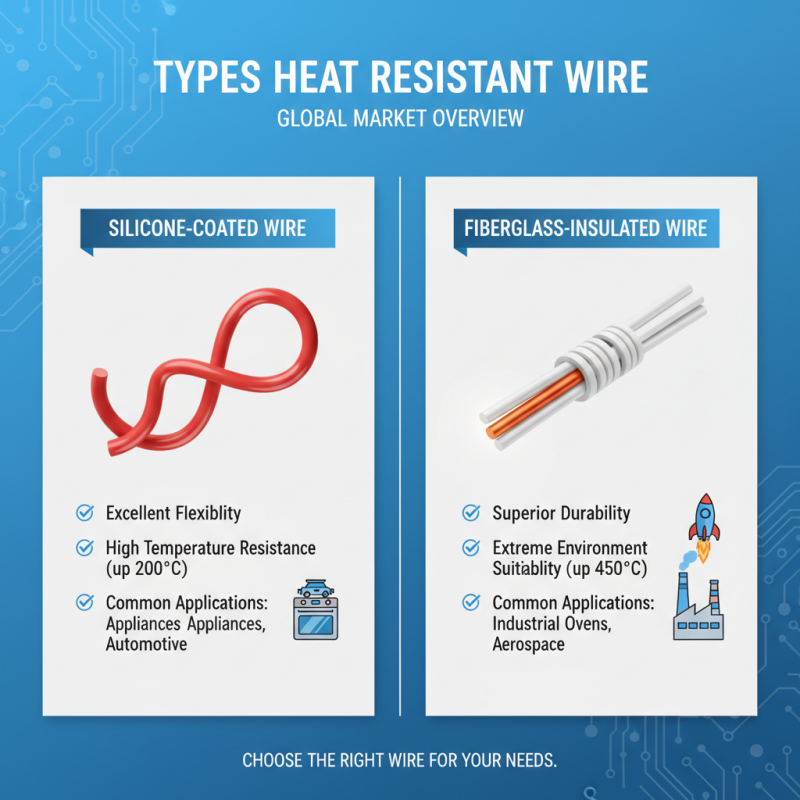
When sourcing heat resistant wire, understanding the types available is crucial. These wires come in various materials, each suited for different applications. Common types include silicone-coated and fiberglass-insulated wires. Silicone-coated wires offer excellent flexibility and can withstand high temperatures. Fiberglass-insulated options provide additional durability, making them ideal for extreme environments.
Tips: Consider the specific application. Different industries demand unique wire specifications. Evaluate the temperature range and environment where the wire will be used.
Another notable option is PTFE (Teflon) wire. This type resists chemicals and is non-stick, perfect for specific industrial uses. Metal wires, like nickel and stainless steel, can also handle high heat. However, they may lack the flexibility of their insulated counterparts.
Tips: Assess flexibility versus strength. For tight spaces, a flexible wire may be necessary. On the other hand, rigidity could provide added security in high-temperature settings.
Heat resistant wire choices can be overwhelming. Always research the wire’s properties before making a decision. The balance of durability and performance will impact long-term functionality.
Evaluating Heat Resistance Ratings: What to Look For
When sourcing heat-resistant wire, understanding heat resistance ratings is crucial. These ratings indicate a material's capability to withstand high temperatures without degrading. For example, wires made from silicone can endure up to 200°C, while Teflon-coated wires can handle over 260°C. Knowing the specific environment in which a wire will be used is essential to making an informed choice.
**Tips:** Always check wire insulation types. Different materials cater to unique applications. High-temperature environments demand robust options.
Heat resistance ratings sometimes appear confusing. Not all wires perform the same way at elevated temperatures. For instance, some might exhibit reduced flexibility or strength under heat stress. Research the thermal stability of each material. Additionally, consider electrical conductivity, as it can impact performance in specific scenarios.
**Tips:** Look for industry certifications. These can provide insight into a wire's reliability. Validated data from reputable sources helps ensure informed decisions.
Discover the Best Heat Resistant Wire for Your Global Sourcing Needs
| Wire Type |
Max Operating Temperature (°C) |
Temperature Rating |
Material |
Applications |
| Silicone Wire |
200 |
Class H |
Silicone Rubber |
Automotive, Aerospace |
| PTFE Wire |
260 |
Class F |
PTFE (Teflon) |
Electrical, Industrial |
| Fiberglass Wire |
300 |
Class C |
Fiberglass Insulation |
High-Temperature Environments |
| Kapton Wire |
200 |
Class H |
Polyimide |
Electronics, Aerospace |
| Enameled Wire |
180 |
Class B |
Copper/Aluminum |
Motor Windings, Transformers |
Sourcing Strategies for Quality Heat Resistant Wire Manufacturers
When sourcing heat resistant wire, identifying reliable manufacturers is crucial. The right suppliers ensure quality and longevity of materials. Begin by researching potential partners online. Look for manufacturers with solid industry experience. Experience provides insights into product standards and testing protocols. Reviews and testimonials can add credibility. Engage with the community to gather opinions. Knowledge sharing can lead to valuable insights into vendor reliability.
Visit trade shows and industry events. These gatherings are excellent for networking.
Face-to-face conversations can reveal much more than emails. Ask questions directly to gauge expertise. Explore various product samples to assess quality. It’s vital to examine certifications as well. These documents validate a manufacturer’s compliance with industry standards. A lack of proper certification might indicate risk.
Test your shortlisted suppliers. Request test runs of their heat resistant wire. This real-world evaluation can highlight performance issues. Discuss production timelines, delivery methods, and payment terms. These factors often influence operational efficiency. Consider geographical aspects as well—shipping costs can add up. Evaluate if the chosen location brings added advantages or risks. Reflect on these details during the sourcing process.
Comparative Analysis of Top Heat Resistant Wire Brands Worldwide
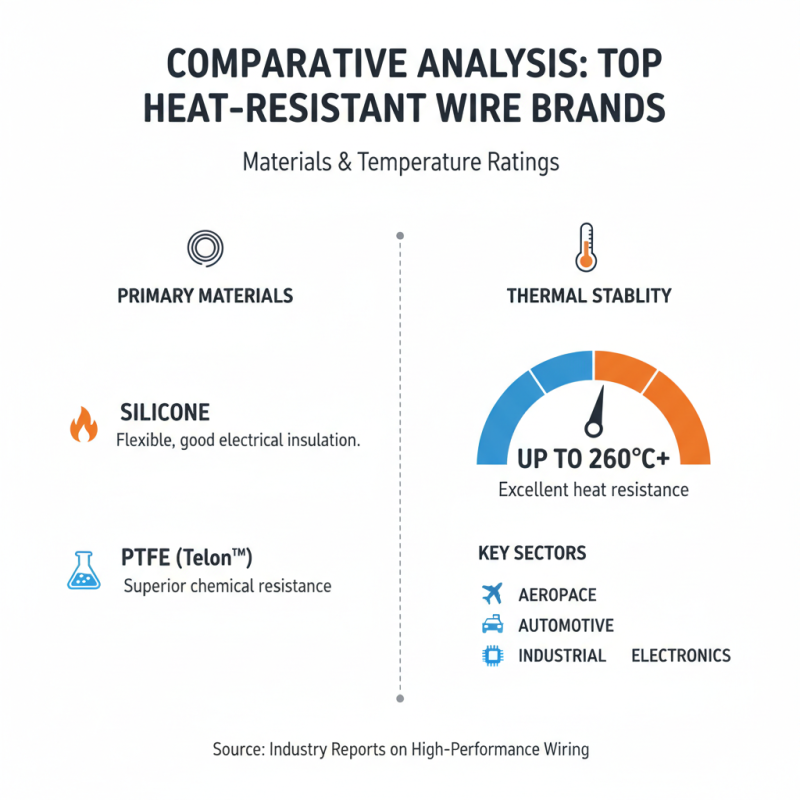
In the world of heat resistant wire, choosing the right brand is crucial for performance. A comparative analysis of top brands reveals significant variations in materials and ratings. According to industry reports, wires made from silicone or PTFE have excellent thermal stability, withstanding temperatures up to 260°C and beyond. These materials are popular across a variety of sectors, including aerospace and automotive.
While evaluating options, consider factors like voltage rating and insulation type. Reports indicate that improper selection can lead to safety hazards or equipment failure. Always check the certifications and testing parameters of the products. Also, remember that prices often reflect quality. Higher-quality wires may come with a heftier price tag, but they ensure reliability.
**Tips:** Look for wires that offer flexibility without sacrificing heat resistance. Typically, silicone insulated wires are both durable and manageable in tight spaces. Regularly review supplier data sheets to understand the limitations and specifications of each wire type. It's essential to stay informed to avoid costly mistakes.