The Best 10 Hook Up Wire Options for Your Electrical Needs?
When selecting the best hook up wire, it’s essential to consider performance and safety. Hook up wires play a vital role in electrical connections. According to a recent industry report, the global market for electrical wires is projected to reach $223 billion by 2027. This highlights the growing demand for high-quality materials.
The right hook up wire ensures reliable connections in various applications, from home appliances to industrial systems. Factors like insulation type and temperature rating are crucial. Misestimating these requirements can lead to failures or safety hazards. Many users overlook the importance of proper wire gauge, risking electrical overload.
In the pursuit of finding the best options, one must navigate numerous brands and specifications. Each wire type serves unique purposes. Yet, the abundance of choices can lead to confusion. Making informed decisions is not always easy but is necessary.
Understanding Hook Up Wires: Definition and Importance
Hook up wires are crucial in any electrical system. They are designed to connect components in a safe and efficient manner. According to the National Electrical Code (NEC), these wires must meet specific standards to ensure safety. Improper connections can lead to failures, which may pose fire hazards.
The insulation type of hook up wires is an important consideration. PVC and silicone are common materials, each offering different thermal resistance levels. A report from the International Electrotechnical Commission indicates that PVC can handle temperatures up to 80°C, while silicone can withstand higher temperatures. This is vital for applications in high-heat environments.
However, not every project treats wire selection seriously. Many overlook the gauge size, which can be detrimental to performance. According to industry standards, incorrect sizing can lead to voltage drops and inefficient power distribution. In reality, some projects still use undersized wires to cut costs, risking overall system integrity. It is essential to prioritize quality in hook up wires for safer and more reliable electrical systems.
Types of Hook Up Wires: A Comprehensive Overview
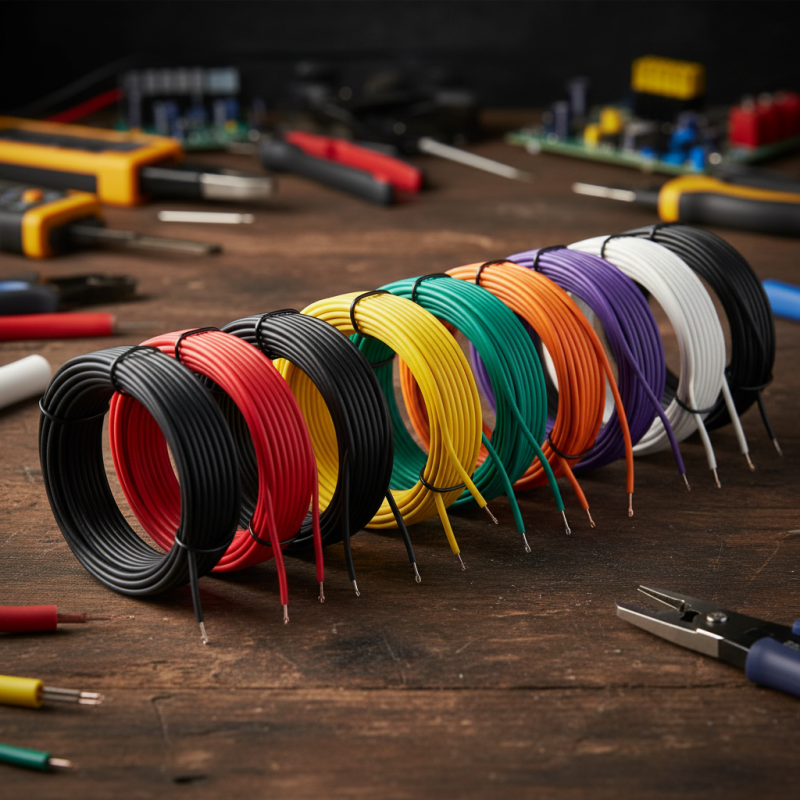
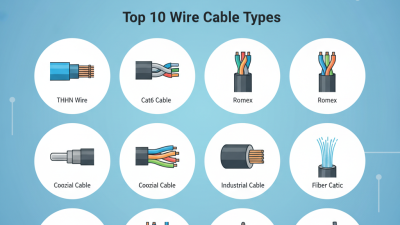
When choosing hook-up wires, understanding the types available is essential. Hook-up wires are commonly used for connecting electronic components. They come in various sizes, insulation types, and conductor materials. The most common types include PVC wires, silicone wires, and Teflon wires. Each type has its specific applications and benefits.
PVC wires are affordable and versatile. They are suitable for low-voltage connections. However, they can struggle in high-temperature environments. Silicone wires, on the other hand, are known for their durability. They remain flexible in extreme conditions. This makes them ideal for automotive applications. Teflon wires are much more heat-resistant. They are often used in aerospace applications due to their excellent insulation properties.
Tip: Always consider the environment where the wire will be used. It helps in selecting the right type. Take into account temperature, humidity, and potential exposure to chemicals. While silicone wires offer flexibility, they may not always be the best choice for every scenario.
Another consideration is wire gauge. The American Wire Gauge (AWG) system determines the wire's thickness. Thinner wires may carry less current, while thicker wires handle more. It's crucial to select the correct gauge for your application. Misjudging this can lead to overheating or inefficiency. Balance is key between flexibility and current-carrying capacity. Think carefully before making your choice.
Key Factors to Consider When Choosing Hook Up Wires
Choosing the right hook up wire is crucial for your electrical projects. Consider the wire gauge. A lower gauge means a thicker wire, suitable for higher current applications. If you're working on small electronics, a higher gauge can be more appropriate. Look for a balance that matches your project's power needs.
Insulation type is another vital factor. THHN, PVC, and silicone insulation offer different levels of heat resistance. Your environment may dictate the best choice. For outdoor use, ensure the wire can withstand moisture and UV exposure. But some users overlook this and regret their decisions later.
Lastly, consider flexibility and ease of installation. Softer wires can be easier to manipulate but may not be suitable for every application. It's a trade-off. Some people find that what works in theory doesn't fit well in practice. Invest the time to understand your requirements fully. Every detail matters when dealing with electrical systems.
The Best 10 Hook Up Wire Options for Your Electrical Needs
| Wire Type |
Gauge |
Material |
Temperature Rating |
Flexibility |
Typical Applications |
| Hook Up Wire |
22 AWG |
Copper |
105°C |
Highly Flexible |
Electronics, Appliances |
| Stranded Wire |
20 AWG |
Copper |
90°C |
Moderately Flexible |
Automotive, Robotics |
| Solid Copper Wire |
18 AWG |
Copper |
70°C |
Rigid |
Home Wiring, Lighting |
| Silicone Wire |
16 AWG |
Copper |
200°C |
Very Flexible |
High-Temperature Applications |
| Teflon Wire |
14 AWG |
Copper |
260°C |
Flexible |
Industrial, Aerospace |
| Multi-Conductor Wire |
24 AWG |
Copper |
75°C |
Moderately Flexible |
Data Transmission, Control Systems |
| High Voltage Hook Up Wire |
12 AWG |
Copper |
150°C |
Rigidity |
Industrial Equipment |
| Flat Ribbon Cable |
28 AWG |
Copper |
80°C |
Flexible |
Computers, Connections |
| PVC Insulated Wire |
10 AWG |
Copper |
60°C |
Rigid |
Home Appliances |
| Rubber Insulated Wire |
8 AWG |
Copper |
90°C |
Moderate Flexibility |
Marine Applications |
Top 10 Hook Up Wire Options for Different Electrical Projects
When it comes to electrical projects, choosing the right hook-up wire is crucial. Various options cater to different needs. For basic household wiring, stranded copper wire is a popular choice. It’s flexible and easy to work with. However, it may not always be the best option for heavy-duty applications.
For outdoor projects, consider using a wire rated for wet and damp conditions. This offers additional protection against elements. Another option is PVC-coated wire, providing durability and corrosion resistance. Yet, proper installation is paramount. Incorrect handling can lead to safety hazards.
Also, don’t overlook the gauge size. Thicker wires handle more current but can be challenging to maneuver in tight spaces. For ease, lighter gauge options are easier to install. But they can risk overheating if overloaded. Balancing performance with ease of use often requires careful thought. Each project has its unique demands, and a thoughtful selection can make a significant difference.
Safety Tips for Using Hook Up Wires in Electrical Applications
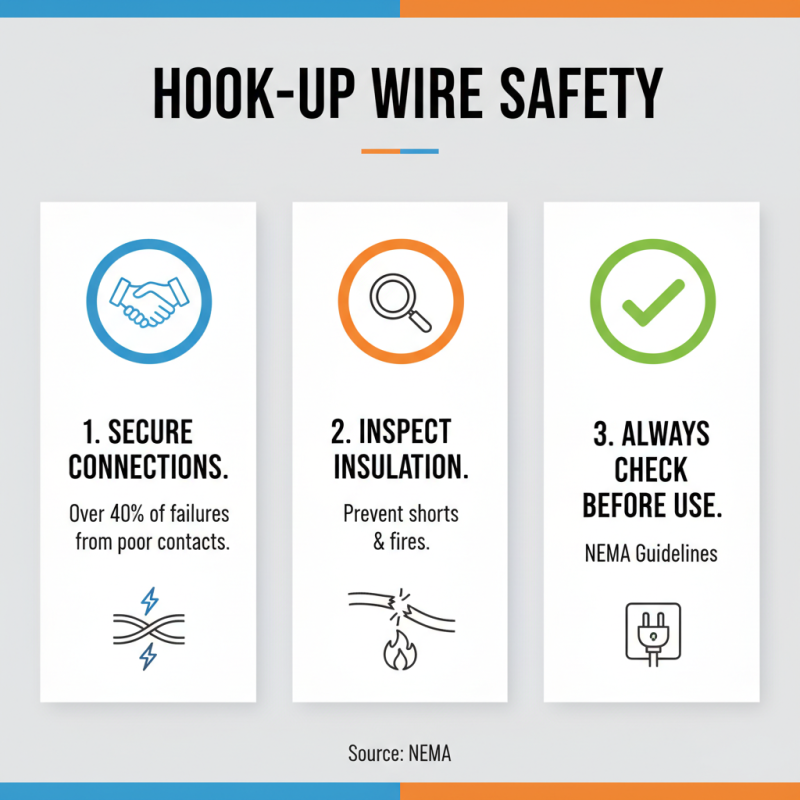
When using hook-up wires, safety must be top of mind. According to the National Electrical Manufacturers Association (NEMA), over 40% of electrical failures stem from poor wire connections. Insulation quality is crucial. Damaged or frayed wires can lead to short circuits or fires. Always inspect wires before use.
Proper gauge selection prevents overheating. The American Wire Gauge (AWG) standard indicates how much current a wire can handle. Using the correct gauge can minimize risks. For example, a 20 AWG wire typically supports 10 amps safely, while a 16 AWG wire supports up to 13 amps. Overloading wires is a common mistake with serious consequences.
Connections should be secure. Use connectors that are rated for your wire type. Loose connections create resistance, generating heat. This heat can degrade wire insulation over time. A report by the Institute of Electrical and Electronics Engineers (IEEE) highlights that improper connections contribute to 30% of electrical incidents. Regular checks are advisable to avoid avoidable hazards.