Top 10 Best Multi Conductor Cable Options for Your Projects?
When embarking on any electrical project, choosing the right wiring is crucial. One common choice is the multi conductor cable. This versatile option can meet various application requirements. However, selecting the best one can be overwhelming, given the multitude of options available.
Multi conductor cables are known for their efficiency and reliability. They consist of multiple conductors within a single jacket, offering easy installation. Many builders and engineers prefer them for their flexibility and performance. But not every multi conductor cable is created equal. Factors like material, insulation type, and conductor gauge play significant roles.
In this guide, we will explore the top 10 best multi conductor cable options for your projects. Each cable will be examined for its features and potential drawbacks. This will help you make informed choices for your specific needs. Stay tuned as we dive into the details that matter when selecting the right multi conductor cable.

Understanding Multi Conductor Cables and Their Applications
Multi conductor cables are essential in various applications, combining multiple wires within a single sheath. These cables provide a streamlined approach for transmitting power and signals. They are commonly used in robotics, audio systems, and industrial machinery, where efficient communication is vital.
Understanding the specifications and ratings of multi conductor cables is crucial. They come in different configurations, such as twisted pairs or bundled conductors. This affects flexibility, durability, and signal quality. For example, twisted pairs reduce interference, making them ideal for audio equipment. However, the thicker the cable, the less flexible it becomes, which can be a challenge in tight spaces.
Selection also involves considering the environment where the cable will be used. Some are resistant to chemicals or moisture. Others may need additional shielding for protection. Yet, in many projects, finding the right balance between durability and flexibility proves difficult. Researching different types, materials, and their specific uses can help guide your decision. Understanding these factors can significantly impact the performance of your project, highlighting the importance of thoughtful selection.
Top 10 Best Multi Conductor Cable Options for Your Projects
This chart displays the average price per meter and the number of conductors for ten popular multi conductor cable options. It helps in understanding the cost versus the number of conductors available for various applications.
Factors to Consider When Choosing Multi Conductor Cables
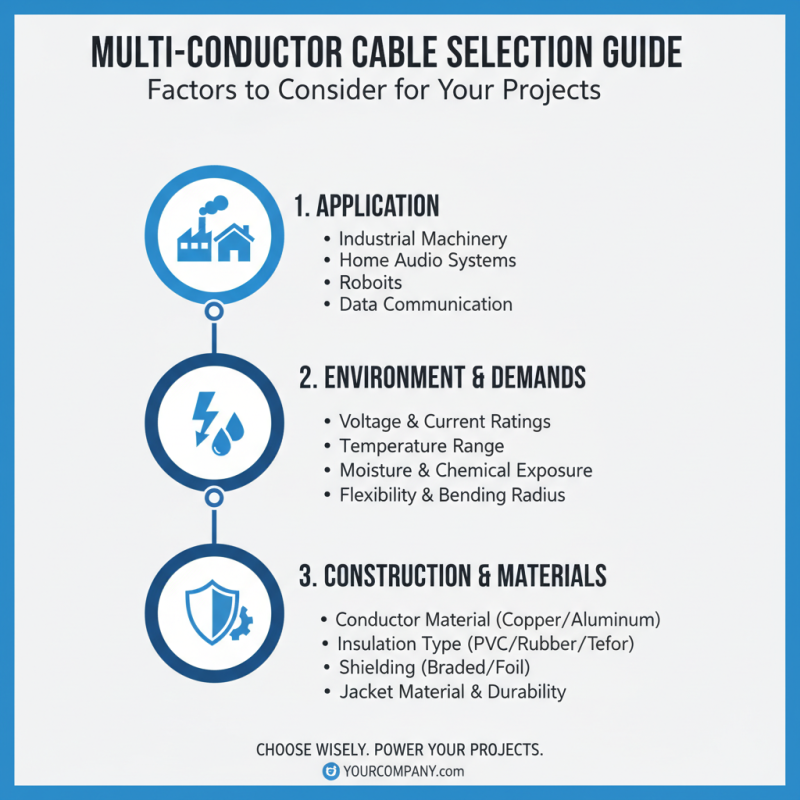
When choosing multi conductor cables for your projects, several factors are critical. The first factor to consider is the application. Different projects may require distinct cable types based on the environment and the electrical demands. For example, cables used in industrial settings often need more insulation and durability compared to ones for home audio systems.
Wire gauge is another important consideration. The gauge affects the current-carrying capacity, impacting performance and safety. A thicker gauge can handle more current but may be less flexible. Evaluate the length of the run, too. Longer runs may require thicker wire to reduce voltage drop. Balancing these details can be tricky, but it's essential for achieving the desired performance.
**Tip:** Always confirm your project's specific requirements before making a purchase. This ensures you select the appropriate cable. Also, consider the cable's insulation rating. Using the right rating can prevent failures and enhance longevity.
Another aspect to keep in mind is flexibility. If your project involves intricate routing or tight spaces, opt for cables designed for flexibility. Not all multi conductor cables offer this feature, which can lead to frustration. Reflect on the potential need for repairs or changes later; adaptable options may save time and cost in the long run.
Top 10 Multi Conductor Cable Brands and Their Features
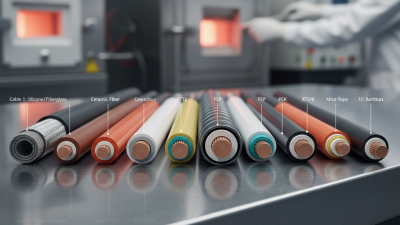
When choosing multi-conductor cables, brands play a crucial role in ensuring quality and reliability. Many top manufacturers offer unique features that cater to various project needs. For instance, some brands emphasize flexibility and durability, crucial for industrial applications. Others focus on insulation types, providing options for extreme temperatures or hazardous environments.
One notable aspect of these brands is their varying certifications. Some cables meet stringent safety standards, while others boast superior conductivity. This can affect overall performance. The choice of materials also differs: copper versus aluminum, each offering distinct benefits. This variety can leave consumers feeling overwhelmed. It’s important to align the cable's specifications with project demands.
Engaging with user reviews can provide insight into real-world performance. Many users share experiences, highlighting both strengths and weaknesses in certain products. Scrutinizing feedback may reveal hidden issues, such as premature wear or compatibility problems. These reflections contribute to a deeper understanding of what to expect from different options in the market.
Top 10 Best Multi Conductor Cable Options for Your Projects
| Conductor Count |
Gauge Size |
Insulation Material |
Temperature Rating |
Application |
| 4 |
18 AWG |
PVC |
80°C |
Control Systems |
| 6 |
16 AWG |
XLPE |
90°C |
Data Transmission |
| 8 |
14 AWG |
Rubber |
75°C |
Industrial Automation |
| 12 |
22 AWG |
TPE |
100°C |
Audio/Video Equipment |
| 2 |
20 AWG |
PVC/PE |
60°C |
Home Appliances |
| 10 |
16 AWG |
Nylon |
85°C |
Renewable Energy Systems |
| 4 |
12 AWG |
Silicone |
200°C |
High Heat Applications |
| 5 |
24 AWG |
PE |
70°C |
Telecommunications |
| 9 |
12 AWG |
FEP |
150°C |
Instrumentation |
Comparative Analysis of Multi Conductor Cable Performance
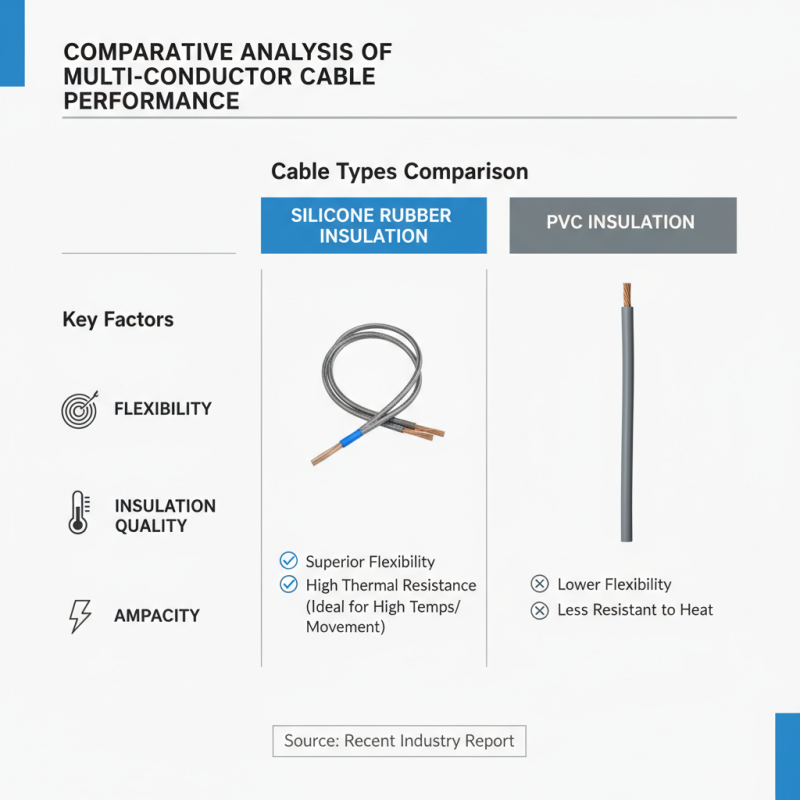
When evaluating the performance of multi conductor cables, several factors come into play, including flexibility, insulation quality, and ampacity. A recent industry report indicates that cables with silicone rubber insulation exhibit superior flexibility and resistance to thermal degradation compared to PVC-insulated options. This property makes them ideal for applications requiring significant movement or exposure to high temperatures.
Another critical aspect is the ampacity of the cables. Data from the National Electrical Code (NEC) shows that multi conductor cables can handle various current loads based on their size and construction. For instance, a 16 AWG conductor typically supports up to 3.7 amps for power transmission, but this can decrease significantly with environmental factors. This means that careful selection based on actual usage conditions is crucial for project success.
Moreover, performance under varying environmental conditions can be unpredictable. While some cables may perform well in controlled settings, they might struggle in real-world applications. Cables subjected to moisture or extreme temperatures can degrade faster than expected, highlighting the need for reliable sourcing and testing. Implementing rigorous testing protocols can help mitigate these risks and ensure better project outcomes.
Installation Tips for Multi Conductor Cables in Various Projects
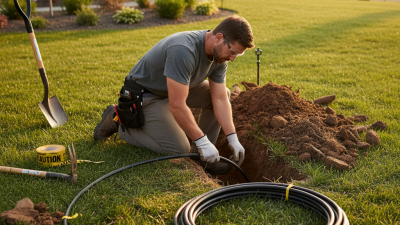
When working with multi conductor cables, installation is key. Choosing the right type can significantly impact your project's success. It’s essential to consider the environment where the cables will be used. Indoor and outdoor projects require different materials. For example, outdoor cables often need extra protection against moisture and UV rays.
Tip 1: Always plan your layout before starting. Measure your area and identify the cable runs. This can help prevent costly mistakes and waste. If you overlook this step, you may have to redo parts later.
Tip 2: Pay attention to the gauge of the cable. A thicker cable can handle more current, reducing the risk of overheating. Always refer to electrical codes. Adhering to these rules ensures safety and compliance.
Tip 3: Secure your cables properly. Use anchors or cable ties to prevent sagging. Loose cables can lead to wear and expose wires over time. Remember, a little extra care during installation can save you from future issues.