What is Braided Wire and How is it Used?
Braided wire is a versatile material that finds countless applications in various industries. Its unique structure offers advantages in strength and flexibility. Made by weaving multiple strands together, braided wire can be tougher than a single wire of similar size. It can withstand wear and tear, making it ideal for demanding uses.
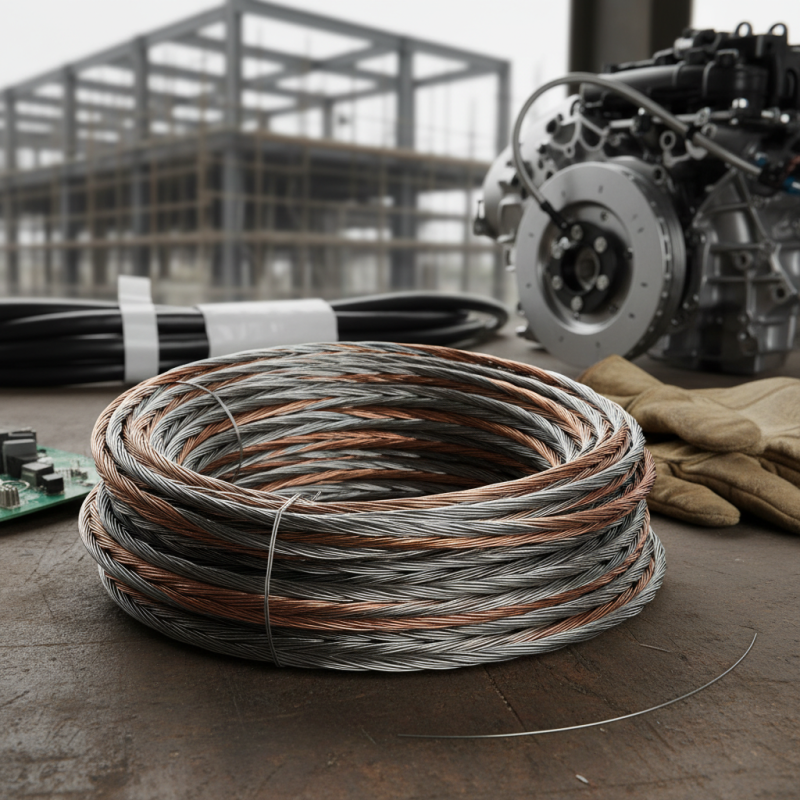
In construction, braided wire secures structures and provides support. It is also crucial in electrical applications, where it helps reduce interference. The automotive sector benefits from braided wire in components like brake lines, enhancing safety and performance.
Despite its advantages, using braided wire isn't always straightforward. It requires careful handling to prevent fraying. Sometimes, users overlook its maintenance needs. Understanding both its strengths and limitations is vital for maximizing its potential. This article will explore braided wire and its diverse applications.
What is Braided Wire? Definition and Characteristics
Braided wire is a type of wire formed by braiding together multiple strands. This construction gives it unique properties such as flexibility and strength. It's made from different materials, including stainless steel and copper. According to industry reports, braided wire has applications in various sectors. For example, it is commonly used in electrical assemblies and automotive applications.
One key characteristic of braided wire is its resistance to corrosion. This makes it ideal for use in harsh environments, especially in marine and industrial settings. The woven design allows it to withstand high tension and stress. Another advantage is its lightweight nature, which can lead to reduced overall system weight. In fact, studies show that using braided over solid wire can decrease weight by nearly 50%.
Tips: When selecting braided wire, consider the environmental conditions it will face. Make sure it fits your tensile strength requirements. Always check for compatibility with your components. It's essential to balance flexibility against strength to meet your specific needs. An imperfect choice can lead to premature wear or failure, so reflect on your application before purchasing.
Historical Development of Braided Wire in Industrial Applications
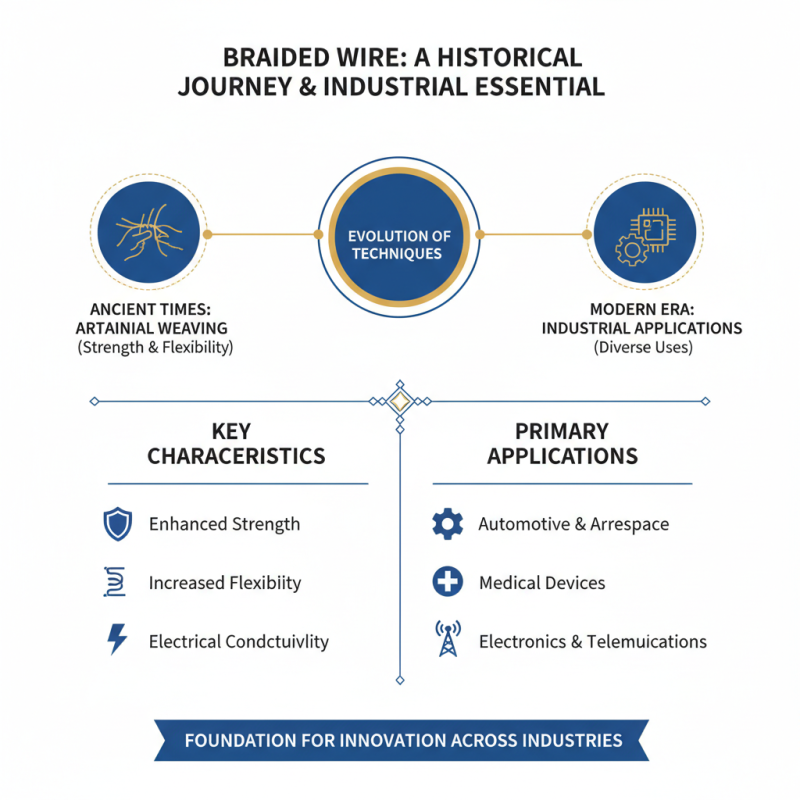
The historical development of braided wire shows its essential role in various industrial applications. Braided wire dates back to ancient times. Artisans weaved metal strands together for strength and flexibility. These early uses set the foundation for modern applications.
In the late 19th century, advancements in metallurgy allowed for stronger braided wires. Reports indicate that the global demand for such materials increased significantly during the Industrial Revolution. One study noted a 30% rise in demand for braided wire in electrical and telecommunications sectors. This growth shows the wire's versatility and reliability in critical applications.
Today, braided wires are used in sectors like aerospace and automotive. They offer superior conductivity, flexibility, and durability compared to solid wires. However, some industries still rely on outdated practices. This reliance can lead to inefficiencies and increased costs. Industry experts often stress the need for modernization. The challenge remains to balance historical techniques with innovative materials.
Key Materials Used in Braided Wire Manufacturing
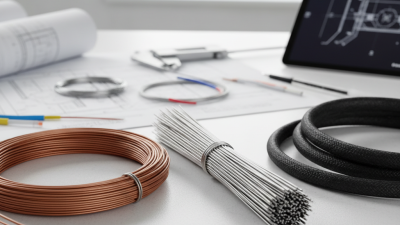
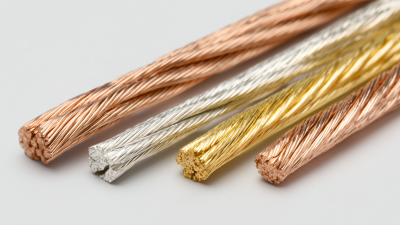
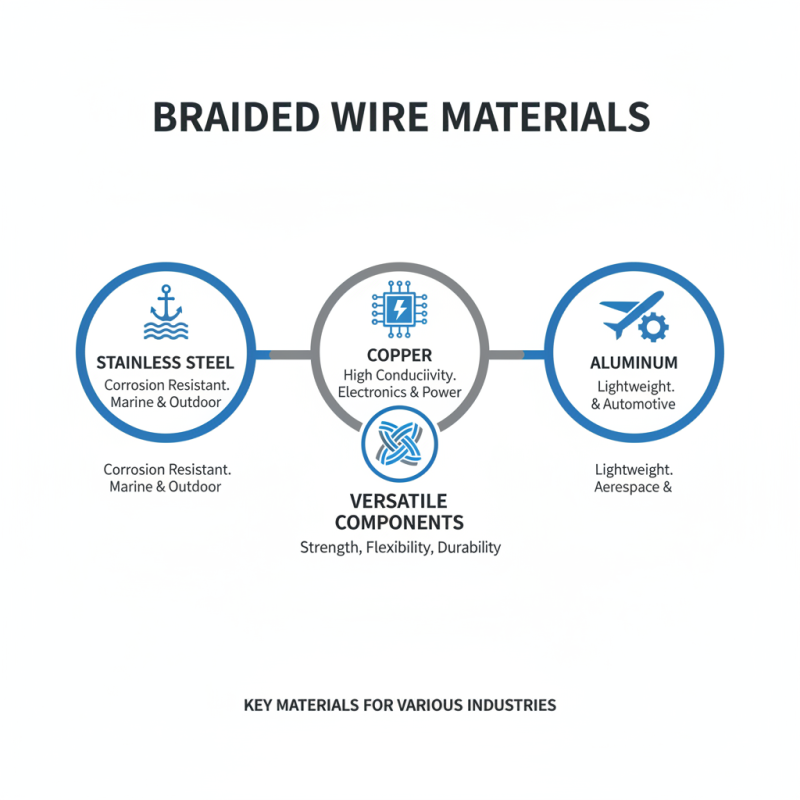
Braided wire is a versatile component found in various industries. The production of braided wire involves key materials that determine its strength, flexibility, and durability. Common materials include stainless steel, copper, and aluminum. Stainless steel is often favored for its corrosion resistance. It is widely used in marine applications and outdoor environments.
Data shows that the market for stainless steel wire is projected to grow substantially. Reports estimate a compound annual growth rate (CAGR) of over 4% in the next five years. This statistic suggests a continued reliance on high-quality materials for advanced applications. Copper is another critical component, known for its excellent conductivity. It plays a vital role in electrical braided wires, ensuring optimal performance in various gadgets.
Aluminum is lightweight and cost-effective. Its use in braided wire has increased significantly in recent years. Some manufacturers may overlook the balance between cost and quality, leading to performance issues. Choosing the right material is essential for achieving desired outcomes. With the right mix of materials, industries can enhance product performance while addressing cost constraints.
Common Applications of Braided Wire Across Various Industries
Braided wire is a versatile material used in many industries. Its construction provides strength and flexibility. This makes it suitable for various applications, from automotive to aerospace. In the construction industry, it's commonly used for cable assemblies and reinforcement. Buildings require strength and flexibility, and braided wire delivers.
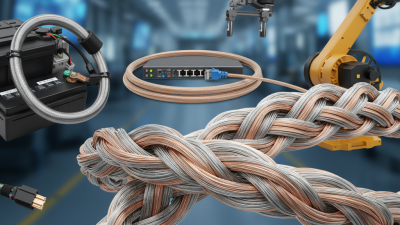
In the electronics sector, braided wire often serves as a shielding material. It helps reduce electromagnetic interference. This is crucial for sensitive devices. However, improper use can lead to issues. For instance, if the wire isn’t tightly woven, performance may decline. Maintaining quality in production is essential but sometimes overlooked.
The medical industry also uses braided wire. It’s found in surgical instruments and devices. The precision of the braid allows for intricate designs. It improves patient safety and device performance. That said, there are challenges in sterilization. Ensuring cleanliness while preserving the wire's integrity can be tricky. Each application tests the limits and potential of braided wire in unique ways.
Advantages of Braided Wire Over Other Wire Types in Performance
Braided wire consists of multiple strands woven together. This design enhances its strength and flexibility. Unlike traditional wire, braided wire can absorb shocks better. It can also handle higher tension levels without breaking. This makes it ideal for various applications.
Using braided wire offers several advantages. It provides superior performance in challenging conditions. The unique structure resists kinking and tangling, making it easier to work with. Many people overlook these benefits when choosing wires. They often go for standard options, ignoring specialized needs.
Tips for using braided wire: Be mindful of the bending radius. Excessive bending can cause damage. Also, check for frays and wear regularly. It's crucial to replace worn-out wire promptly. Remember, good maintenance extends the life of any wire type.
Performance Comparison of Braided Wire and Other Wire Types
This bar chart illustrates the tensile strength of various wire types, highlighting the performance advantages of braided wire over traditional options such as copper, aluminum, and steel wire. Braided wire offers superior tensile strength, making it a preferred choice for applications requiring high durability and reliability.