How to Calculate Condensing Unit Capacity for Optimal Efficiency?
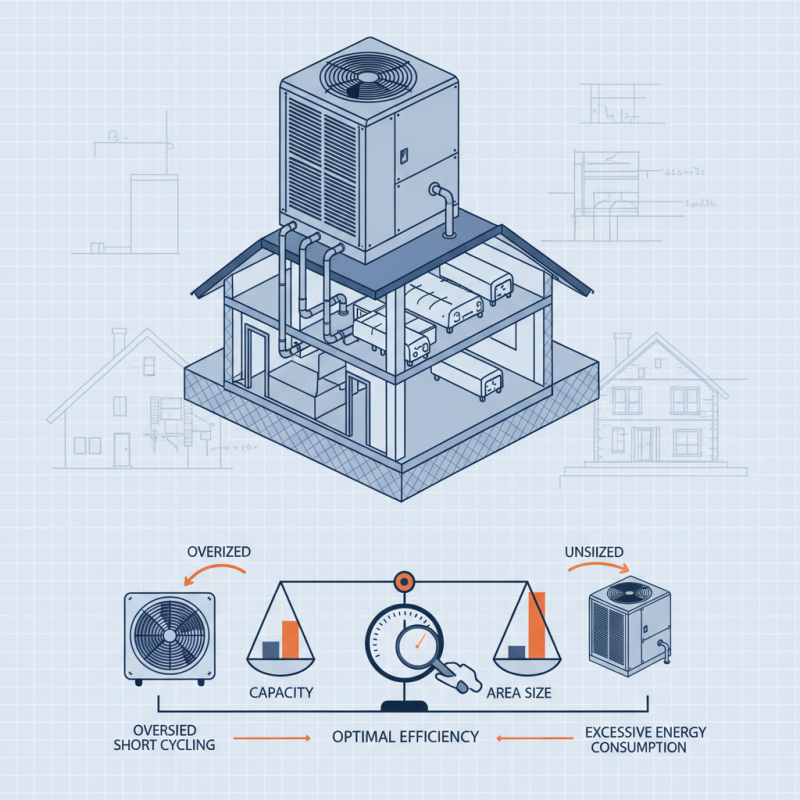
Understanding the Condensing unit capacity calculation is crucial for achieving optimal efficiency in HVAC systems. The capacity of a condensing unit determines how effectively it can remove heat from a space. A well-calculated capacity ensures that the system operates smoothly, avoiding issues like short cycling or excessive energy consumption.
Calculating the right condensing unit capacity involves various factors. These include the size of the area, the heat load, and the type of cooling required. Failing to consider these aspects can lead to inefficiencies. For instance, an oversized unit cools the space too quickly, which can inhibit dehumidification. On the other hand, an undersized unit may struggle to meet the cooling demands.
It is essential to approach this calculation methodically. Utilizing tools like load calculation software or referring to industry guidelines can enhance accuracy. However, relying solely on these tools without professional insight may produce flawed results. An experienced technician can help interpret data and provide valuable recommendations. Balancing these calculations with real-world application is where efficiency truly lies.
Understanding the Basics of Condensing Unit Capacity
Calculating condensing unit capacity is essential for optimal system performance. Condensing units are vital in HVAC systems, responsible for heat exchange. Understanding capacity helps prevent energy waste and ensures longevity. According to recent industry reports, improper sizing can lead to a 30% decrease in efficiency. This inefficiency can significantly raise operational costs in the long run.
To estimate the required condensing unit capacity, consider key factors, such as the space size and heat load. Heat load calculations account for insulation, windows, and equipment. Each element plays a role in determining the overall capacity needed. A common recommendation is to size the unit based on the total area, aiming for about 20 BTUs per square foot for optimal performance in residential settings. However, this can vary significantly based on local climate conditions and specific building characteristics.
Additionally, regularly reassessing unit performance can uncover inefficiencies. Monitoring your system’s output and energy consumption helps address issues proactively. Some units may operate effectively in mild conditions but struggle during extreme weather. Identifying critical areas for improvement can lead to better efficiency and a more reliable system overall. Understanding these aspects is key for professionals and property owners alike.
How to Calculate Condensing Unit Capacity for Optimal Efficiency? - Understanding the Basics of Condensing Unit Capacity
| Dimension | Value | Unit |
| Evaporator Temperature | -5 | °C |
| Condensing Temperature | 35 | °C |
| Refrigerant Type | R410A | |
| Flow Rate | 1.5 | L/s |
| Cooling Capacity | 10 | kW |
| Efficiency Ratio (EER) | 3.5 | |
| Power Consumption | 2.86 | kW |
Factors Influencing Condensing Unit Capacity Calculations
When calculating the capacity of a condensing unit, various factors play a crucial role. Ambient temperature significantly affects performance. Studies indicate that higher temperatures can reduce the efficiency of heat exchange. For instance, at 95°F, systems may experience a reduction in capacity by as much as 10%. This drop in efficiency is important for operators to consider during peak summer months.
Another key factor is the refrigerant type used in the system. Different refrigerants have distinct thermodynamic properties. For instance, R-410A operates effectively in moderate temperatures, while R-134A may be less efficient under certain conditions. This choice can influence energy consumption greatly. Data from industry reports suggest that optimizing refrigerant selection can lead to efficiency improvements of 15% or more.
Furthermore, the design and maintenance of the condensing unit impact its capacity. Regular maintenance ensures coils are clean and unobstructed. Neglecting this can lead to performance declines. Moreover, system sizing must match operational needs. Over-sizing or under-sizing can create inefficiencies. It highlights the importance of precise calculations and understanding operational demands. Reflecting on these factors can help enhance overall system reliability and efficiency.
Step-by-Step Guide to Calculating Capacity for Efficiency
Calculating the capacity of a condensing unit is essential for achieving optimal efficiency. Understanding the fundamentals can significantly affect energy use and system performance. To begin, identify the cooling load of your space. This measurement is usually given in BTUs. Knowing the size of the area and the heat sources present is critical. A professional HVAC technician can help with this assessment.
Next, consider the operating conditions. The unit's capacity can vary depending on external temperatures and humidity levels. Determine the desired indoor temperature. This target temperature will guide your calculations. Pay attention to the ambient conditions in your location. They can influence how efficiently the unit operates.
After gathering these specifics, you can calculate the required capacity. This involves matching the cooling load with the appropriate unit size. Too large a unit cools the space too quickly, causing comfort issues. An undersized unit struggles to maintain the desired temperature. Adjust your calculations based on past performance and existing inefficiencies you’ve noted. Reflect on these variables regularly to refine your approach.
Condensing Unit Capacity Analysis
This chart illustrates the efficiency levels of different capacity settings for condensing units. As observed, higher capacity corresponds to improved efficiency, reaching up to 90%. Understanding this relationship is crucial for optimizing condensing unit performance.
Common Mistakes in Condensing Unit Capacity Assessment
When assessing the capacity of condensing units, many professionals overlook critical factors. Common mistakes can lead to inefficiency. For instance, neglecting ambient temperature variations can skew capacity calculations. Not all installations are in optimal conditions. Ensure your measurements adapt to real-world environments.
Another frequent error is using outdated or generic data. Each condensing unit is unique. Relying solely on previous projects can misguide current assessments. Remember, changes in refrigerants or system configurations can drastically alter performance output.
Tips: Always consider local climate data. Build your calculations around specific parameters from your operational environment. Double-check measurements as discrepancies can lead to over or under-sizing your unit. Evaluate your findings with a fresh perspective; biases can cloud judgment. Ensuring accuracy in capacity assessments is crucial for optimal efficiency.
Importance of Regular Maintenance for Optimal Performance
Regular maintenance of condensing units is crucial for ensuring optimal performance. According to the U.S. Department of Energy, improperly maintained systems can lose up to 30% of their efficiency. This efficiency loss is often due to neglected components and accumulated dirt in coils. Ensuring that the coils are clean allows for better heat exchange. It’s a straightforward task but often overlooked by many operators.
Additionally, regular inspections can help detect issues early. For instance, the American Society of Heating, Refrigerating and Air-Conditioning Engineers (ASHRAE) recommends assessing refrigerant levels every six months. Low refrigerant can lead to compressor failure, resulting in costly repairs. A monthly check on the fan and motor can also prevent performance issues.
While many operators may skip preventive maintenance for cost concerns, statistics show that proactive measures save money in the long run. For example, the Building Performance Institute states that regular maintenance could reduce operational costs by up to 15%. Ignoring these practices can lead to inefficient systems and higher expenses, making a strong case for comprehensive maintenance schedules.

