How to Choose the Best Pa6 Nylon Tubes for Your Needs?

Choosing the right Pa6 Nylon Tubes can significantly impact your project’s success. These tubes are known for their strength and flexibility. However, not all tubes are created equal. Different applications require different specifications. This makes choosing the right product a bit tricky.

When you start shopping for Pa6 Nylon Tubes, consider their diameter, length, and wall thickness. Each factor plays a vital role in the tube's performance. Think about your specific needs. Are you working with fluids or gases? Or perhaps in a mechanical application? Your choice should reflect these requirements.

Don't overlook the importance of quality. Poor-quality tubes may save you money upfront but could lead to failures later. Look for reputable suppliers and check their certifications. Reading reviews can also help you gauge reliability. Selecting the right Pa6 Nylon Tubes is a process that requires careful thought and research. Be mindful and take your time in making this choice.
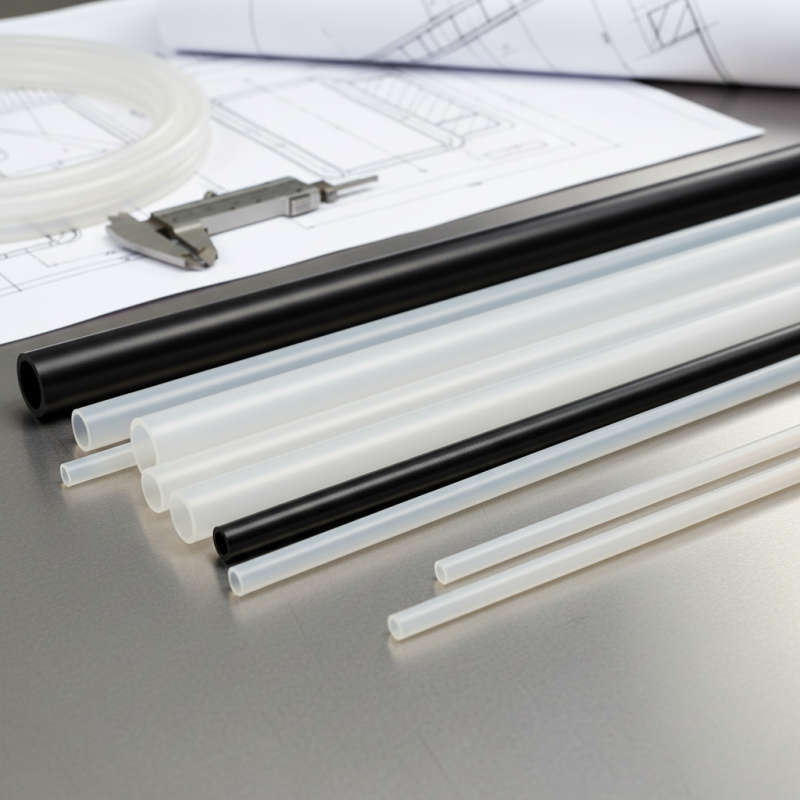
How to Choose the Best Pa6 Nylon Tubes for Your Needs?

Understanding PA6 Nylon: Properties and Applications in Industry

PA6 nylon, or polyamide 6, is a widely used synthetic polymer in various industries. Its exceptional mechanical strength and resistance to wear make it a preferred material for applications like automotive parts and industrial components. According to recent industry reports, the global nylon market is projected to reach $35 billion by 2025. This growth is driven by the increasing demand for lightweight components in the automotive sector and advancements in manufacturing processes.

One of the main properties of PA6 nylon is its excellent chemical resistance. It can withstand oils, fuels, and many solvents, making it suitable for harsh environments. Additionally, PA6 nylon offers high flexibility and impact resistance. This versatility has led to its application in industries from textiles to food processing. However, moisture absorption can be a concern, which might affect its dimensional stability over time. Given this, applications requiring high precision must account for this property.

When choosing PA6 nylon tubes, consider the specific needs of your application. Factors such as diameter, wall thickness, and temperature resistance must align with your operational requirements. Reports indicate that the right choice can significantly enhance product durability and performance. Understanding these nuances is crucial, as miscalculations may lead to premature failure in critical applications.

Key Factors to Consider When Selecting PA6 Nylon Tubes

When selecting PA6 nylon tubes, it's essential to consider several key factors. One must evaluate the physical properties of the material, including tensile strength and flexibility. A good choice will provide superior resistance to wear and tear, ensuring longevity. The application of these tubes greatly influences the required specifications. Is the tube intended for industrial or household use? Each scenario demands different strength and flexibility.

Another critical aspect to assess is the environment in which the tubes will be utilized. Exposure to chemicals, UV light, or extreme temperatures can impact performance. It’s vital to examine resistance to various substances. Not all PA6 nylon tubes are created equal; some are better suited for specific conditions. Users should also reflect on the diameter and length required for their projects. Mismatched sizes can lead to inefficiency or functionality issues.

It's also worth noting that not everyone considers the ease of installation. Some tubes are easier to cut or shape than others. A more manageable product can lead to a better overall experience. Choices may seem overwhelming, and sometimes, users might overlook features important for their needs. Seeking advice from industry experts can help clarify these uncertainties and lead to more informed decisions.

Comparing PA6 Nylon to Other Materials: Strength, Durability, and Cost

When choosing materials for industrial applications, PA6 nylon stands out. It holds a unique balance of strength and flexibility. Compared to other plastics, PA6 nylon is known for its superior durability. It can endure various stresses without cracking. This makes it ideal for tubing in harsh environments.

Cost is another important factor. PA6 nylon tends to be more affordable than metals while offering excellent resistance to wear and impact. However, there are trade-offs. While PA6 nylon is strong, it may not handle high temperatures as well as some alternatives. This can limit its use in certain applications.

In making a choice, consider specific project needs. Assess the environment where the tubes will be used. If exposed to chemicals or extreme heat, other materials might be necessary. Reflect on these factors to ensure the best decision for your requirements.

Industry Standards and Certifications for PA6 Nylon Tubes

When selecting PA6 nylon tubes, industry standards and certifications play a crucial role. Understanding these can guide your decision-making. Look for products that meet established standards. This ensures quality and reliability in various applications.

Consider certifications like ISO 9001. They indicate a manufacturer’s commitment to quality management. Products meeting these certifications often have undergone rigorous testing. This leads to consistent performance in demanding environments.

Tips: Always ask for documentation. Verify the compliance of the tubes with relevant industry standards. This helps ensure you receive tubes that meet your specific needs. Note that not all manufacturers provide clear information. It’s important to do your research and ask questions.

In addition, check for relevant safety certifications. These are particularly important in industries such as food and pharmaceuticals. They ensure that materials used are safe for your intended application. By scrutinizing these details, you can avoid potential issues down the line.

How to Choose the Best Pa6 Nylon Tubes for Your Needs?

Property Standard Description
Melt Temperature ISO 11357 Typical melting point for PA6 is around 220°C.
Tensile Strength ISO 527 Estimated tensile strength ranges from 50 to 100 MPa.
Flexural Modulus ISO 178 Flexible yet durable with modulus of around 2.5 GPa.
Water Absorption ISO 62 Can absorb moisture up to 3-4% over time.
Impact Resistance ISO 180 High impact resistance makes it suitable for various applications.
Certification for Food Contact FDA, EU Regulation 10/2011 Complies with regulations for plastic materials in contact with food.
Thermal Conductivity ASTM D5470 Thermal conductivity is around 0.25 W/m·K.

Common Mistakes to Avoid in Choosing PA6 Nylon Tubes

When selecting PA6 nylon tubes, many make critical errors that affect performance. A common mistake is neglecting the application requirements. Consider factors such as temperature resistance, chemical exposure, and mechanical stress. Choosing tubes without understanding these specifics can lead to premature failure.

Another frequent oversight is ignoring the size and thickness of the tubes. Users often select a diameter or wall thickness based on general specifications without assessing actual needs. This can result in installations that are too tight or too loose, impacting functionality.

Tips: Always measure your system accurately. Test prototypes if possible. Evaluate previous experiences with similar applications to inform your choice.

Lack of awareness about environmental conditions can also lead to poor decisions. For instance, moisture absorption can weaken nylon tubes significantly. Research how humidity and temperature fluctuations affect nylon's performance.

Trusting misleading marketing can misguide your selection. Rely on documented studies and technical specifications instead of claims. When in doubt, consult experts to ensure the best fit for specific applications. This careful consideration will lead to better decision-making in your project.

Article Source: