Choosing silicone wire for global sourcing in 2026 requires more than comparing prices on a supplier website. The right choice depends on temperature, voltage, flexibility, insulation thickness, conductor material, and installation conditions. A wire used near a heated motor may need different protection than one installed inside a compact control cabinet. Small details matter. A 200°C rating can look impressive, yet the complete cable assembly may perform differently after repeated bending, oil exposure, or tight routing. Experienced sourcing teams review technical datasheets, production samples, and independent test reports before approving a supplier.
Reliable purchasing also requires a clear process. Define the required gauge, strand structure, color, length tolerance, packaging, and traceability documents before requesting quotations. Ask suppliers how they control conductor resistance, insulation consistency, and batch quality. Factory audits can reveal practical issues, such as poorly labeled reels or storage areas exposed to moisture. Confirm that products meet the standards and certification requirements relevant to the destination market. Requirements vary. Do not rely on a familiar certificate without checking its scope and validity. Samples should be tested under realistic conditions, including heat cycles, bending, and terminal crimping. This step often exposes assumptions that looked reasonable on paper. Some buyers focus too heavily on unit cost and overlook replacement delays, rejected shipments, or inconsistent batches. That approach needs reconsideration. A dependable silicone wire sourcing strategy balances performance, supplier capability, documentation, logistics, and long-term risk. In 2026, careful verification remains more valuable than a quick bargain.
Silicone Wire Fundamentals for Global Sourcing in 2026
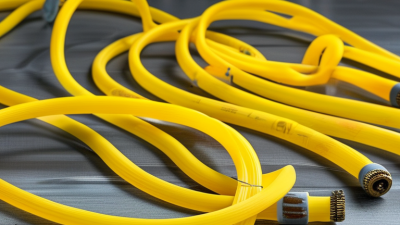
Silicone wire uses a silicone rubber insulation layer around a conductive core. This structure supports flexibility, heat resistance, and stable performance in demanding environments. Copper remains common because it offers strong conductivity and practical cost control. Tinned copper can improve corrosion resistance, especially in humid storage or transport conditions. The conductor size matters. A thin wire may overheat under continuous current.
Global buyers should define the application before comparing quotations. Record voltage, current, operating temperature, bending frequency, insulation thickness, and required length. Silicone insulation often performs across a wide temperature range, but actual limits depend on construction and testing. Do not rely on a generic “high-temperature” claim. Ask for technical data, batch records, and test methods. Small details matter.
Sample testing should include resistance, flexibility, abrasion, flame behavior, and insulation integrity. Check the wire after repeated bending, not only when it looks new. A bright surface can hide weak adhesion. I have seen specifications that were technically complete but unclear about tolerance. That gap creates disputes later. Request controlled samples with marked conductor size and batch identification. Confirm packing protects coils from crushing, moisture, and sharp bends during long-distance shipment. Supplier audits, production photos, and traceable inspection reports can strengthen confidence, although none replaces independent verification.
| Selection Dimension | Typical Silicone Wire Data | How to Use This Data for Sourcing | Verification Requirement |
|---|---|---|---|
| Insulation Material | Silicone rubber insulation, commonly based on silicone elastomer compounds with high flexibility and heat resistance. | Choose silicone when the assembly requires flexibility, wide temperature performance, or resistance to aging and vibration. | Request the insulation compound specification, technical data sheet, and applicable test report. |
| Continuous Operating Temperature | Common commercial range: approximately -60°C to +180°C. Some constructions are rated up to +200°C. | Use the actual continuous temperature, not only the short-term peak temperature, to select the wire rating. | Confirm the manufacturer’s continuous rating, short-term overload rating, and test method. |
| Rated Voltage | Common low-voltage options include 300/500 V and 450/750 V. Lower-voltage appliance and equipment wires may also be specified. | Select a voltage rating equal to or higher than the system voltage, including transient and safety margins. | Check the printed marking, certification file, dielectric test voltage, and applicable regional standard. |
| Conductor Material | Annealed copper is standard. Tinned copper is frequently used where oxidation resistance, solderability, or humid environments are important. | Use bare copper for many general-purpose applications and tinned copper for improved termination and environmental resistance. | Verify conductor material, tin coating requirement, copper purity, and resistance per unit length. |
| Conductor Flexibility | IEC 60228 Class 5 conductors are flexible; Class 6 conductors are more flexible and use finer strands. | Use Class 5 for ordinary flexible connections and Class 6 for repeated movement, tight routing, or robotic applications. | Confirm conductor class, strand diameter, stranding construction, and flex-life test results. |
| Conductor Cross-Section | Common metric sizes include 0.14, 0.25, 0.50, 0.75, 1.0, 1.5, 2.5, 4.0, 6.0, 10, and 16 mm². AWG sizes may also be requested for North American projects. | Choose the cross-section according to allowable current, voltage drop, installation temperature, bundling, and terminal capacity. | Check conductor resistance, cross-sectional area, strand count, and final terminal compatibility. |
| Current-Carrying Capacity | No universal ampacity applies to all silicone wires. Allowable current depends on cross-section, ambient temperature, grouping, installation method, and permissible temperature rise. | Do not select wire based only on a catalog ampacity. Apply the electrical code and derating factors for the target market. | Request ampacity tables and calculate derating for ambient temperature, enclosure, bundling, and duty cycle. |
| Insulation Thickness and Outside Diameter | Both vary with conductor size, voltage rating, temperature rating, and applicable construction standard. Higher-voltage designs generally require greater insulation dimensions. | Use the finished outside diameter to confirm connector fit, conduit fill, bend radius, and assembly space. | Specify maximum and minimum insulation thickness, finished OD tolerance, eccentricity, and spark-test requirements. |
| Minimum Bend Radius | A common design reference for flexible single-core wire is approximately 4–8 times the finished outside diameter, but the exact value is construction-specific. | For repeated flexing, use the supplier’s dynamic bend-radius requirement rather than a static installation guideline. | Confirm static and dynamic bend radius, flexing speed, travel distance, cycles, and test temperature. |
| Flame Performance | Possible requirements include vertical flame tests under appliance-wire standards or flame-propagation tests such as IEC 60332-1-2. | Specify flame performance according to the end product and destination market instead of using “flame retardant” as a general claim. | Request the exact test standard, test level, sample construction, and valid test report. |
| Smoke and Halogen Requirements | Silicone insulation is often selected for low-smoke and halogen-free applications, but the final classification depends on the complete formulation and test method. | Use this criterion for transport, public infrastructure, enclosed equipment, and other environments with smoke-toxicity concerns. | Check results against applicable standards such as IEC 60754 and IEC 61034 where required. |
| Environmental Resistance | Silicone generally provides good resistance to heat, ozone, ultraviolet exposure, and aging. Resistance to oils, fuels, solvents, and chemicals varies by compound. | Use silicone for heat, vibration, and outdoor-aging needs, but validate compatibility with the specific fluid or chemical. | Request immersion, ozone, UV, thermal-aging, and chemical-resistance test data relevant to the application. |
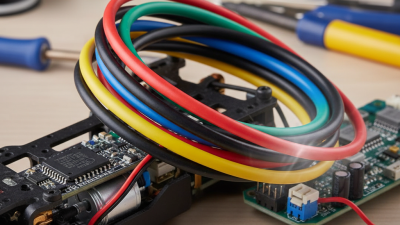
| Color and Identification | Common colors include black, red, white, blue, green/yellow, brown, gray, and orange. Striping, numbering, or surface marking may also be available. | Use color coding to reduce wiring errors and align with the electrical conventions of the target market. | Define color tolerance, stripe width, marking durability, print legibility, and identification sequence. |
| Applicable Standards | Depending on the market and product category, references may include IEC 60228 for conductors, IEC 60332 for flame propagation, IEC 60754 for halogen-acid gas, IEC 61034 for smoke density, and regional appliance-wire or harmonized-cable standards. | Choose standards according to the finished equipment, installation location, voltage level, and import destination. | Require a standards matrix showing the exact product construction and test evidence for each market. |
| Electrical Performance | Important parameters include conductor DC resistance, insulation resistance, dielectric withstand, capacitance, and leakage current where applicable. | Use these values to assess voltage drop, signal integrity, insulation reliability, and product safety. | Set measurable acceptance limits and require routine test records for production batches. |
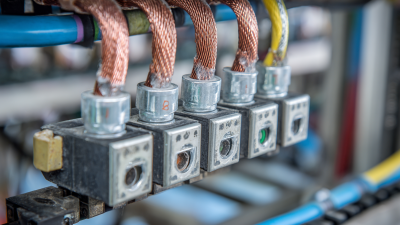
| Termination Compatibility | Silicone insulation is soft and can deform under excessive crimp pressure. Fine-stranded conductors may require terminals designed for flexible conductors. | Match the wire with ferrules, crimp terminals, solder joints, connectors, and stripping equipment used in production. | Perform crimp-height, pull-force, stripping, insertion, thermal-cycle, and vibration validation tests. |
| Quality and Traceability | Key controls include conductor resistance, insulation OD, spark testing, voltage withstand, surface defects, marking, and batch traceability. | Use a documented inspection plan to compare samples, production lots, and shipment records. | Define incoming inspection, certificate of conformity, lot code, retained samples, and nonconformance procedures. |
| Global Sourcing Documents | Typical documents include a technical data sheet, drawing, bill of materials, standard declaration, test reports, safety data where relevant, and certificate of conformity. | Prepare a consistent document package before comparing suppliers from different regions. | Confirm document validity, product-model matching, revision control, laboratory details, and destination-market acceptance. |
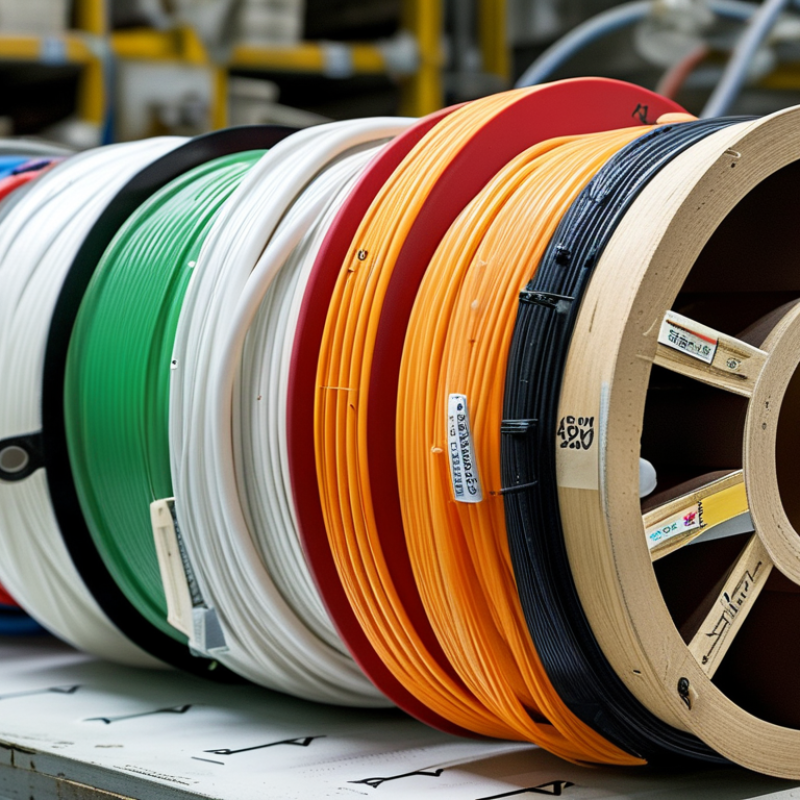
| Packaging and Logistics | Wire may be supplied in coils, reels, or fixed-length bundles. Packaging must protect the insulation from crushing, contamination, moisture, and excessive heat. | Choose packaging based on order length, container utilization, automated processing, storage time, and unloading equipment. | Specify package length tolerance, reel dimensions, net and gross weight, labeling, palletization, and storage conditions. |
| Recommended Sourcing Decision | Prioritize compliance, electrical suitability, temperature margin, mechanical flexibility, production consistency, documentation, and total delivered cost. | Compare qualified samples using the same specification rather than selecting solely on unit price. | Approve the product only after sample testing, pilot production, document review, and change-control agreement. |