How to Choose the Right Storage Racking System
Choosing the right Storage Racking system affects safety, picking speed, floor space, and long-term operating costs. A warehouse may look organized, yet poor rack selection can create hidden problems. Narrow aisles may slow forklifts. Weak beams may struggle with changing pallet loads. Unclear labeling can turn a simple retrieval task into a costly delay.
This guide examines the factors that experienced warehouse planners normally verify. These include available ceiling height, pallet dimensions, load weight, product turnover, forklift type, and required access. It also considers selective racks, drive-in systems, cantilever racks, and mobile solutions. Each option serves a different storage pattern. The most expensive system is not always the most suitable one.
Measure everything carefully. Small errors matter. A few centimeters can affect clearance, sprinkler access, or vehicle movement. Manufacturer load charts should be checked against real operating conditions. Floor strength, rack protection, anchoring, and inspection routines deserve equal attention. Local safety requirements must also guide the final decision.
No system is perfect. A layout that saves space may reduce accessibility. A flexible design may require more floor area. Product demand can change faster than expected. That uncertainty deserves honest planning. Reliable decisions come from site measurements, qualified advice, documented calculations, and regular review after installation. This approach helps businesses choose Storage Racking that supports daily work, not just an attractive warehouse drawing.
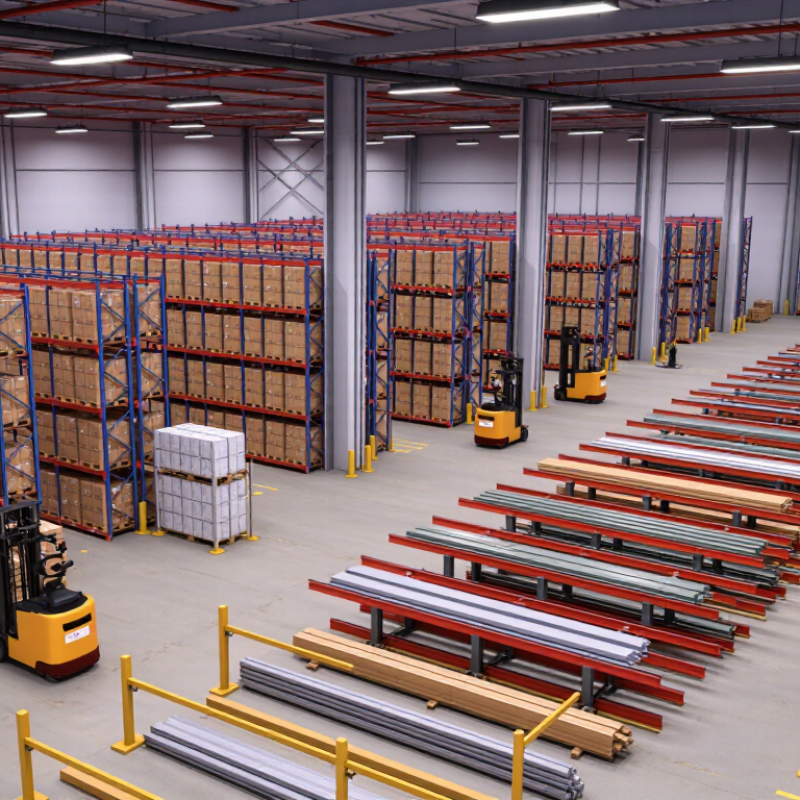
Define Storage Needs and Operating Conditions
Choosing a storage racking system starts with defining the work, not counting empty floor space. Record pallet dimensions, unit weights, daily receipts, dispatch peaks, and required stock rotation. A 1,000-kilogram pallet needs different beam capacity than a small carton. Measure clear height, column spacing, floor flatness, sprinkler locations, and aisle turning space. Small errors become expensive later.
Operating conditions matter just as much. Note temperature, humidity, dust, vehicle type, and impact exposure. Forklift traffic near rack ends may require stronger guards and wider turning zones. The MHI 2024 Annual Industry Report found that 55% of supply chain professionals expected to increase technology investment within two years. That makes future integration worth considering, such as barcode scanning, sensors, or warehouse software. However, automation should follow a clear process. Buying technology first can create a faster version of a poor layout.
Use measurable targets. WERC’s 2024 DC Measures report compares facilities through order accuracy, inventory accuracy, dock-to-stock time, and capacity utilization. These indicators can reveal whether a dense rack layout actually supports performance. Keep a simple trial bay. Load typical pallets, inspect beam deflection, test forklift visibility, and time retrievals during busy periods. Real handling often exposes assumptions that drawings miss. I would rather leave some capacity unused than design a system that feels cramped on the first difficult shift. Forecasts are helpful. They are not promises.
How to Choose the Right Storage Racking System
Define storage needs and operating conditions by comparing the typical load capacity per storage level of common racking systems. Actual capacities depend on rack height, beam length, pallet dimensions, seismic requirements, and supplier engineering.
Selective pallet racks provide direct access to every pallet, while drive-in and double-deep systems generally support higher storage density. Cantilever racks are designed for long or irregular loads and typically operate at lower loads per level. Confirm the final design with a qualified storage-rack engineer before installation.
Compare Racking Types by Function and Access
How to Choose the Right Storage Racking System
Compare Racking Types by Function and Access
Choosing a storage racking system starts with the work, not the warehouse shape. Consider product weight, turnover, dimensions, and access frequency. A site handling cartons may need different equipment from one storing long steel sections.
Selective pallet racking offers direct access to every pallet. It suits mixed inventories and frequent picking. However, it uses more floor space than denser systems.
Drive-in racking increases storage density by reducing aisles. It works well for large quantities of similar products, especially when stock rotation is less urgent.
Pallet flow racking supports first-in, first-out movement through rollers. This can help with date-sensitive goods, but installation and maintenance require careful planning.
Cantilever racking is useful for pipes, timber, and other oversized loads. Its open arms make loading easier with handling equipment. Shelving systems support smaller cartons and hand picking. Mobile racking can improve space use, yet moving aisles may slow access during busy periods. Think about the daily route of a worker carrying a box. A technically efficient system may still create awkward reaching, blocked pathways, or repeated travel.
Measure real operations before making a decision. Watch how often items move. Check aisle clearance with loaded equipment, not an empty one.
I once underestimated picking speed and chose density over convenience. The result looked efficient on paper but felt slow in practice.
No layout is perfect. Review damaged packaging, misplaced stock, and difficult reaches after installation. These details often reveal whether the selected racking system truly fits its function.
Check Load Capacity, Dimensions, and Safety Requirements
Choosing a storage racking system starts with accurate load information, not appearance. Record the weight of each pallet, container, and stored item. Include the pallet itself. Then check whether the rack supports each individual level and the entire bay. Static loads and moving loads are different. Forklift impact also deserves attention.
Measure the available space carefully. Note ceiling height, floor slope, columns, doors, sprinklers, and aisle width. Leave enough clearance above every load for safe placement and removal. A rack that fits on paper may restrict forklift movement in practice. I once saw a layout pass a drawing review but fail during a real loading test. The aisle was simply too narrow.
Safety requirements should be verified with a qualified storage specialist and applicable local standards. Check floor strength, upright protection, anchoring, bracing, and load warning signs. Inspect beams, connectors, and frames regularly for bends or cracks. Keep damaged components out of service until assessed. Do not assume a higher capacity label solves every problem. Capacity depends on beam length, rack height, spacing, installation quality, and load distribution. A spreadsheet can still mislead when its measurements are outdated. Record actual conditions, review them after layout changes, and train workers to report instability immediately. Safety is not a one-time choice.
Evaluate Layout, Workflow, and Expansion Potential
Choosing the right storage racking system starts with the actual layout, not a catalogue image. Measure clear height, column spacing, floor loading, aisle width, and sprinkler clearance. Then mark doors, docks, charging areas, and emergency routes. A rack that fits the floor may still obstruct turning space. Small details matter.
Workflow should determine rack depth and location. Map fast-moving SKUs near packing stations, while placing slow-moving inventory farther away. Separate pedestrian paths from forklifts, and observe one complete picking cycle before finalizing the design. The 2023 Warehousing Education and Research Council benchmarking report placed median order-picking accuracy near 99.5%. That target requires clear labeling, consistent slotting, and reliable replenishment. A tidy layout can still create wasted travel.
Expansion potential deserves equal attention. Leave structural capacity for extra beams, reserve floor zones, and allow software-friendly location codes. The 2024 Material Handling Industry annual report surveyed more than 1,000 supply-chain professionals and identified labor availability as a continuing operational pressure. Flexible racking can reduce future disruption, especially when staffing changes. However, adding empty capacity everywhere is expensive. My own planning preference is to model three demand levels, not one perfect forecast. Forecasts fail. Review the design after seasonal peaks, damage incidents, and SKU changes.
Plan Installation, Inspection, and Ongoing Maintenance
How to Choose the Right Storage Racking System
Plan Installation, Inspection, and Ongoing Maintenance
A reliable racking system begins with accurate site planning, not the cheapest quotation. Measure clear heights, aisle widths, floor capacity, pallet weights, and forklift turning space. Installation should follow the approved layout and the applicable engineering standard, such as ANSI MH16.1. Anchors must suit the concrete slab. Uprights should remain plumb, while beam locks must be fully engaged. Small errors become serious under repeated loading.
Inspection needs a fixed rhythm. Check racks after installation, after impacts, and at scheduled intervals. Look for bent frames, missing pins, loose anchors, overloaded beams, and damaged guards. The U.S. Bureau of Labor Statistics recorded 885 fatal workplace injuries involving falls, slips, and trips in 2023. That figure is not rack-specific, but it reinforces the value of controlled access and housekeeping around elevated storage. Record each defect with photographs, location, risk level, and corrective action. Do not rely on memory. A clean checklist can still miss a leaning frame.
Tips: Place load signs where operators can read them quickly. Keep damaged bays unloaded until a qualified person assesses them. Train forklift drivers with real aisle scenarios, not only classroom slides. Review maintenance records monthly. The weak point may be an overlooked beam connector. Reflect on that possibility.

