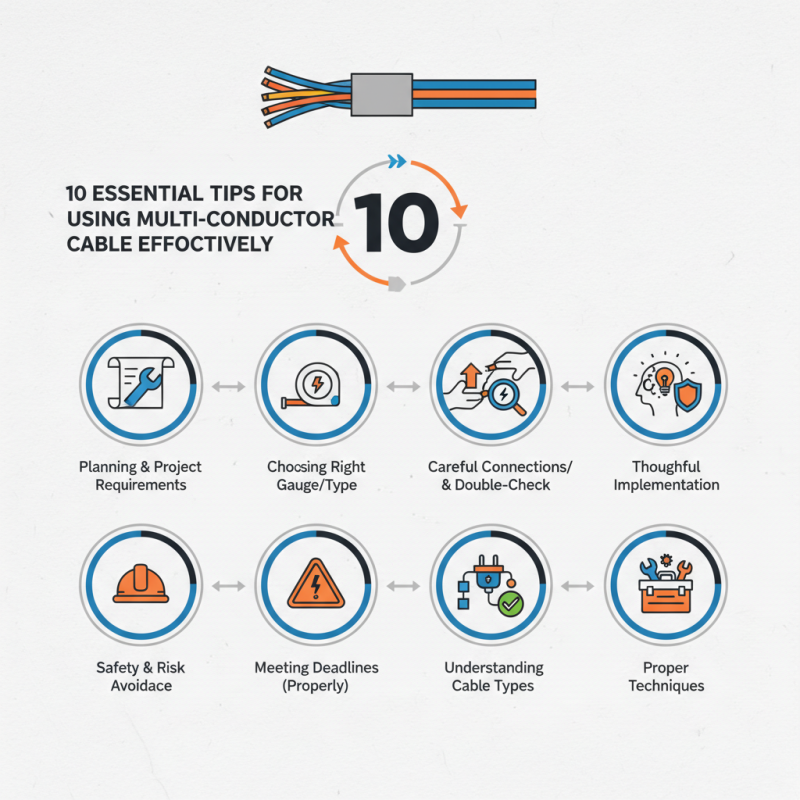
10 Essential Tips for Using Multi Conductor Cable Effectively?
Using multi conductor cable effectively is key for many electrical applications. These cables, designed with several conductors in one sheath, offer flexibility and convenience. However, managing them can be challenging.
When you work with multi conductor cable, planning is essential. Ensure you understand your project requirements. Incorrect usage can lead to failure in performance. It's vital to choose the right gauge and type for your needs. Sometimes, the choice may seem overwhelming. Mistakes can happen easily, especially under tight deadlines.
Connecting multi conductor cable involves careful attention to detail. Errors in wiring can pose risks. Always double-check your connections. The benefits of using multi conductor cable are immense, but they require thoughtful implementation. With proper techniques, you can enhance efficiency and reliability in your projects.
Understanding Multi Conductor Cable: Types and Applications
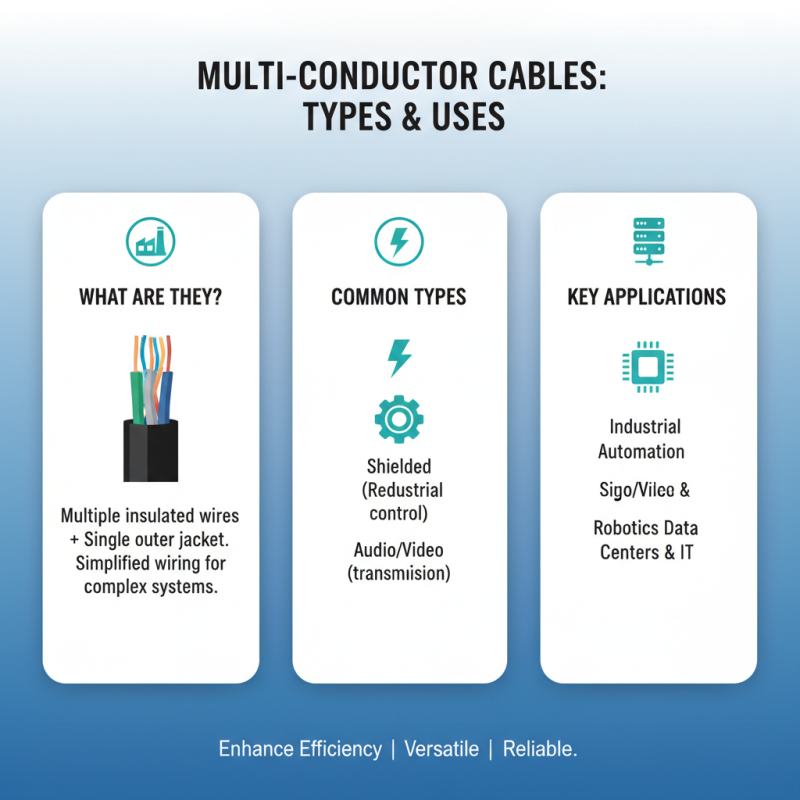
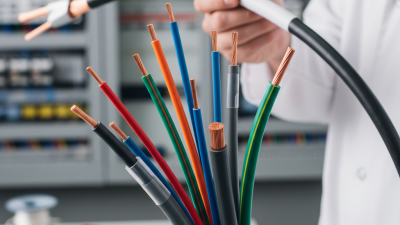
Multi conductor cables are versatile and widely used in various applications. Understanding the types and their uses can enhance efficiency. These cables typically consist of multiple insulated conductors within a single outer sheath. They are essential in complex wiring systems, making them a staple in industrial and commercial settings.
Different types cater to specific needs. For example, shielded multi conductor cables protect against electromagnetic interference. According to industry reports, more than 30% of signal integrity issues arise from interference. This highlights the importance of selecting the right cable for proper function. Additionally, multi conductor cables come in various configurations, allowing flexibility in design.
Choosing the correct cable is not always straightforward. Miscalculations can lead to performance issues. For instance, using a cable with inadequate insulation could result in short circuits. Data from engineers shows that 25% of wiring failures stem from improper installation. Each project demands careful consideration of cable type and arrangement to avoid such pitfalls.
Best Practices for Installing Multi Conductor Cable Safely
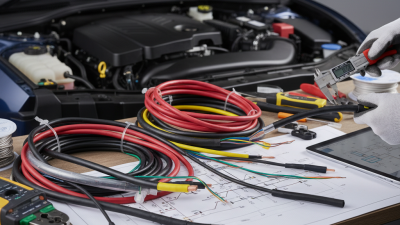
When installing multi conductor cable, safety is a priority. Proper tools and equipment are essential. Always wear gloves to protect your hands from sharp edges. Use insulation testers to check for any faults. Inspect the cable for damage before installation. This simple step can save time and effort later.
Next, consider the environment where the cable will be installed. Avoid areas with excessive moisture or high temperatures. These conditions can degrade the cable over time. Keep cables organized during installation. Tangled cords can lead to confusion and potential hazards. It’s a good idea to label each cable to avoid mix-ups.
Don’t rush the process. Ensure all connections are secure before testing the system. If things go wrong, reassess your installation strategy. A little reflection can lead to improved practices for future projects. Pay attention to local codes and guidelines for installation. Adhering to these can prevent troubles down the line.
10 Essential Tips for Using Multi Conductor Cable Effectively
| Tip Number |
Best Practice |
Description |
| 1 |
Choose the Right Cable Type |
Select multi conductor cables that meet the specific requirements of your project. |
| 2 |
Plan Cable Routing |
Ensure a clear path for cable routing to avoid sharp bends and potential damage. |
| 3 |
Use Proper Connectors |
Select connectors that are compatible with the multi conductor cable for optimal performance. |
| 4 |
Label Cables Clearly |
Use clear labels to identify each conductor for easy troubleshooting and maintenance. |
| 5 |
Avoid Overloading |
Ensure that the cable is not overloaded beyond its rated capacity to prevent overheating. |
| 6 |
Inspect Before Installation |
Check for any visible damage or defects before installing the cable. |
| 7 |
Follow Electrical Codes |
Adhere to local electrical codes to ensure safety and compliance during installation. |
| 8 |
Keep It Dry |
Avoid exposing the cables to moisture to prevent corrosion and short circuits. |
| 9 |
Do Not Pull Too Hard |
Be gentle when pulling the cable to avoid stretching or damaging the conductors. |
| 10 |
Regular Maintenance Checks |
Conduct regular inspections and maintenance to ensure the cable remains in good condition. |
Maintenance Tips for Extending the Lifespan of Multi Conductor Cables
Multi conductor cables need proper care to last longer. Regular maintenance is key. Inspect the cables regularly for wear and tear. Look for frayed ends or damaged insulation. Keeping them clean is crucial. Dust and dirt can compromise performance. Use a damp cloth for cleaning. Avoid harsh chemicals that could damage the material.
Proper storage is also important. Storing cables in a cool, dry area can prevent moisture buildup, which leads to corrosion. When winding cables, do so loosely. Tight coils can create kinks, affecting performance. Label each cable to avoid confusion during setup.
Don’t ignore the connectors. They can wear out over time. Check them for corrosion and dirt build-up. If you notice any issues, clean or replace them promptly. Testing the cables before heavy use can prevent unexpected failures. Regular maintenance and careful handling will extend the lifespan of your multi conductor cables.
Troubleshooting Common Issues with Multi Conductor Cable Connections
When using multi conductor cables, connection issues can arise frequently. These problems are often due to poor terminations or improper installation techniques. Check your connections regularly, ensuring they are secure. If you notice intermittent signals, loose wires could be the culprit.
Simple visual inspections can help identify potential issues. Look for frayed wires or bent terminals. Sometimes, environmental factors like humidity and temperature changes can affect performance. Ensure that cables are stored properly and not exposed to harsh conditions.
Another common concern is crosstalk, which can disrupt signals. Maintain a proper distance between multi conductor cables and other electrical sources. If crosstalk occurs, try reorganizing your cables. It may take some experimentation to resolve interference adequately. Addressing these issues promptly saves time and effort later.
10 Essential Tips for Using Multi Conductor Cable Effectively
This bar chart illustrates common issues encountered with multi conductor cable connections and their respective troubleshooting tips. The data represents the percentage of users encountering these issues based on a recent survey.