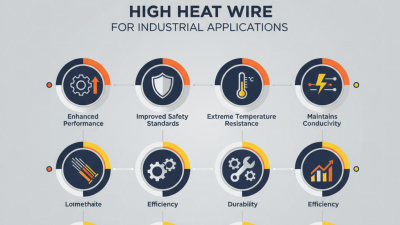
What is High Temp Cable and Why It Matters for Buyers?
In today's diverse industrial landscape, understanding the importance of high temp cable is crucial for buyers. This type of cable is engineered to withstand extreme temperatures, making it essential for high-stress environments. Buyers should be aware that selecting the right high temp cable can significantly impact operational efficiency and safety.
High temp cables are designed for durability. They often feature robust insulation materials, which enhance their performance in demanding situations. However, not all high temp cables are created equal. It is important to consider the specific requirements of your application. Factors like temperature rating, flexibility, and environmental resistance play a key role in making an informed decision.
Many buyers overlook details when choosing high temp cables. This can lead to issues such as premature failure or increased downtime. Engaging with trusted suppliers and seeking expert advice can help buyers navigate these challenges. A thoughtful approach to sourcing high temp cable can save time and costs in the long run.
What is High Temp Cable?
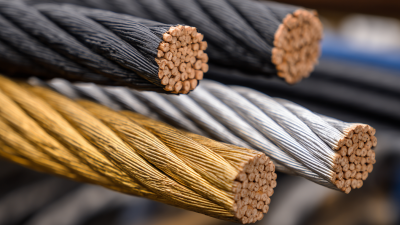
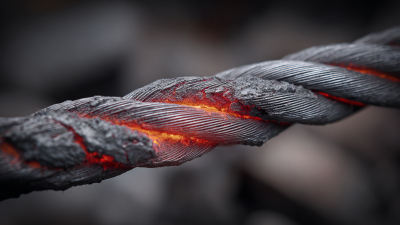
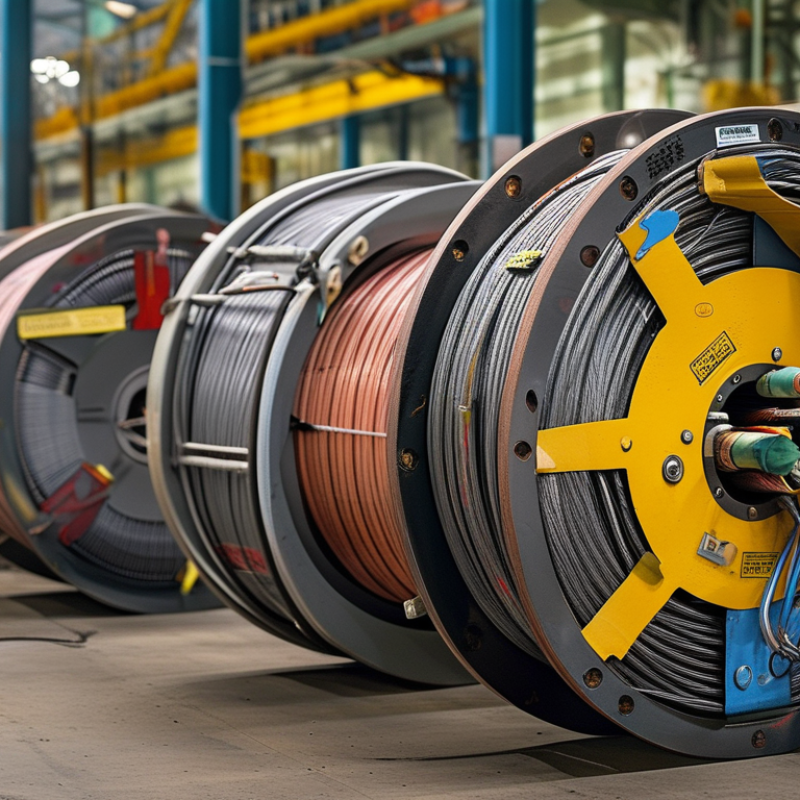
High temperature cables are specialized wires designed to withstand elevated heat without losing performance. These cables are crucial in various industries, including manufacturing and aerospace. They are engineered with materials that resist thermal degradation, ensuring long-lasting durability.
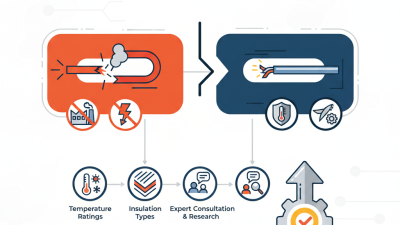
Choosing high temp cables requires careful consideration. Buyers should understand the temperature ratings and insulation types available. Selecting the right material can prevent costly equipment failures and enhance safety. It's also essential to evaluate the environment where the cables will be used. Extreme conditions can impact cable performance dramatically.
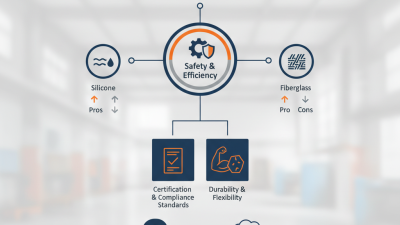
Tips: Always check temperature specifications before purchasing. Consider the operating environment carefully. A wrong choice can lead to failures. Look for certifications and standards to ensure reliability. Investing time in research can save money later on.
What is High Temp Cable and Why It Matters for Buyers?
| Attribute |
Description |
Typical Applications |
Temperature Range (°C) |
Material Types |
| High Temp Cable |
Cables designed to operate at elevated temperatures beyond standard limits. |
Industrial machinery, aerospace, automotive, and marine applications. |
200°C to 300°C |
Silicone, PTFE, and high-temperature thermoplastics. |
| Considerations |
Key factors that buyers should assess before purchasing. |
Safety, durability, and compliance with industry standards. |
— |
— |
| Benefits |
Ensure reliability and safety in high-temperature environments. |
Essential for high-performance applications. |
— |
— |
| Standards |
Follow specific industrial standards for safety and performance. |
Aerospace standards, automotive certifications. |
— |
— |
Key Features and Specifications of High Temp Cable
High-temperature cables are essential components in industries where heat resistance is crucial. These cables can operate at temperatures exceeding 200°C, making them ideal for applications like aerospace, automotive, and power generation. According to industry reports, the market for high-temperature cables is projected to grow by approximately 8% annually. This growth reflects the increasing demand for reliable, heat-resistant materials in various sectors.
Key features of high-temperature cables include specialized insulation materials, often made from silicone or Teflon. These materials provide not only heat resistance but also flexibility and durability. Cables are typically designed to withstand harsh environments, including exposure to oils, chemicals, and abrasion. Specifications may include high voltage ratings and superior performance under fluctuating temperatures.
Tip: When selecting high-temperature cables, check the temperature rating and insulation type. A mismatch can lead to early failure and costly downtime. Consider your specific application needs carefully.
Another critical specification is the cable's flexibility. Many high-temp cables are designed to maintain performance in tight spaces and continuous bending. This enhances installation efficiency, yet some may find them challenging to work with in restrictive areas. Always test cables in real-world conditions to ensure they meet expectations.
Applications of High Temp Cable in Various Industries
High-temperature cables are essential across multiple industries, including aerospace, automotive, and manufacturing. These cables are designed to withstand temperatures beyond typical operating ranges, often exceeding 200 degrees Celsius. In the aerospace sector, high-temp cables ensure reliable performance in extreme conditions. According to a report by Research and Markets, the aerospace industry alone demands an estimated 20% of high-temp cable usage, largely due to stringent safety regulations.
In the automotive industry, high-temp cables support electric vehicles and hybrid systems. As manufacturers push for more efficient powertrains, the demand for these cables has surged. The International Energy Agency reported an increase in electric vehicle production by over 40% in 2022. This trend fuels the need for components that can endure high heat without degradation. Proper insulation and materials play a crucial role in these applications.
Manufacturing plants also rely on high-temperature cables for machinery and equipment. These cables are often exposed to heat from processes like welding or melting. A failure in these cables can lead to downtime and increased costs. The ability to operate reliably in heated environments is a non-negotiable factor for maintaining productivity. However, not all manufacturers prioritize these specifications, which could lead to potential failures. This underscores the importance of informed purchasing decisions when it comes to high-temp cables.
Advantages of Using High Temp Cable for Buyers
High temp cable is essential in various industries where heat resistance is crucial. These cables can withstand extreme temperatures without degrading. This feature is particularly beneficial in environments like manufacturing plants and aerospace applications. High temp cables ensure reliability and safety even in demanding conditions.
Buyers benefit from using high temp cables due to their durability. These cables often last longer than standard alternatives. They can reduce maintenance costs over time. Buyers can rely on them in critical situations because they minimize the risk of failure. However, choosing the right high temp cable requires careful consideration of specific requirements and standards. It's essential to match the cable's specifications to the intended use.
Not everyone understands the importance of thermal resistance. Many buyers may overlook this factor, leading to poor performance. Investing in high temp cables may seem costly upfront, but the long-term savings are significant. Buyers should reflect on their needs and not rush the selection process. Making informed choices is key in ensuring that the right high temp cable delivers the expected benefits.
Factors to Consider When Purchasing High Temp Cable
When purchasing high temp cable, several factors play a critical role. The temperature rating is perhaps the most crucial element. Buyers need to ensure that the cable can handle extreme heat without degrading. This rating varies widely, so careful selection is key. Operating temperatures can range from moderate to very high, depending on the application.
Material construction is another important factor. High temp cables often utilize silicone, Teflon, or other specialized materials. Each material has its strengths and weaknesses. Silicone offers flexibility, while Teflon provides excellent chemical resistance. Buyers should consider the environment in which the cable will be used. Harsh conditions could shorten the cable's lifespan.
Consider the cable's insulation type as well. Different insulations can influence performance and safety. Inadequate insulation can raise risks of failure. Look for cables certified by recognized standards bodies. This adds an extra layer of assurance regarding quality. It’s also wise to assess warranties offered. Some manufacturers provide comprehensive warranties, signaling confidence in their product. Caution is essential; not all high temp cables meet stringent quality standards.