High Temp Wire Solutions for Your Global Sourcing Needs?
In today's fast-evolving industrial landscape, the demand for high temp wire solutions is critical. According to industry reports, the global high temperature wire market is expected to grow significantly, driven by advancements in aerospace, automotive, and energy sectors. High temp wire is essential for applications that require durability and reliability under extreme conditions.
Companies are increasingly sourcing high temp wire to meet stringent safety standards. The aerospace industry alone relies on wires that can withstand temperatures exceeding 200°C. A recent study indicated that over 60% of manufacturers face challenges in sourcing such specialized materials. This gap highlights the need for dependable suppliers who understand the complexities of high temp wire production.
While there are many options available, not all high temp wires meet industry certifications. The right choice can affect operational efficiency and safety. Therefore, careful consideration and expertise are essential. Companies must evaluate potential suppliers for their quality assurance processes, production capabilities, and material certifications. Investing time in this evaluation can lead to better sourcing decisions and ultimately enhance product performance.
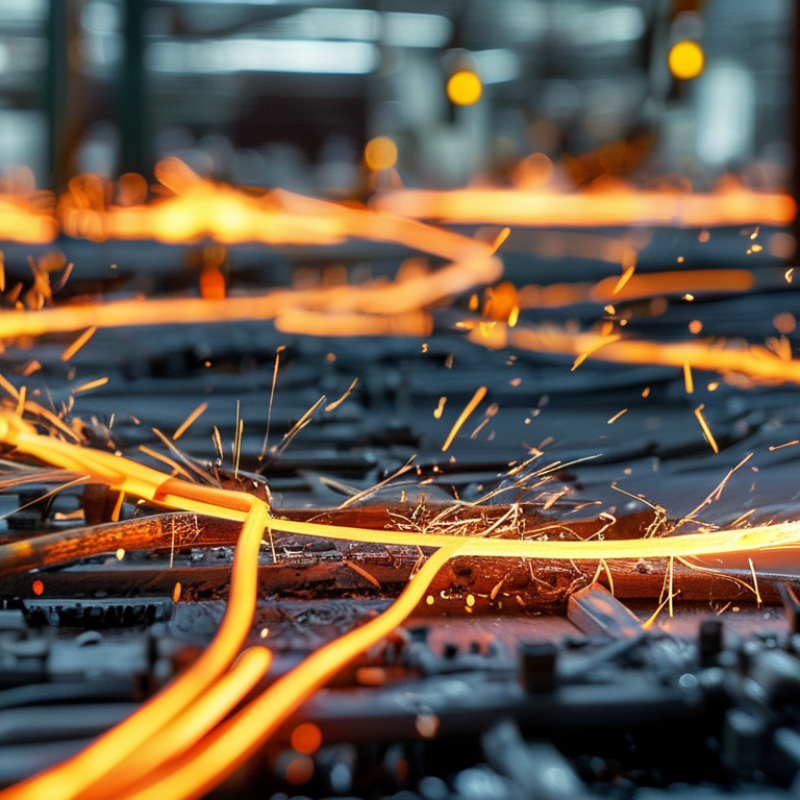
High Temperature Wire: An Overview of Applications and Benefits
High-temperature wire applications are crucial in various industries. They can withstand extreme conditions, making them suitable for environments like aerospace and automotive. Many manufacturers rely on these specialized wires for safety-critical components. These wires can handle high voltage and resist heat, which is essential for maintaining performance.
The benefits of using high-temperature wire go beyond durability. These wires often feature insulation that resists wear and tear. This property extends the life of electrical systems. Some applications include furnace wiring, industrial motors, and power distribution. Engineers must be aware of the specific requirements for each application, as failures can lead to costly downtime.
Nonetheless, sourcing high-temperature wire can be challenging. Not all suppliers adhere to the same quality standards. It’s important to vet potential partners thoroughly. Some products may not perform as expected under high-stress conditions. Ultimately, understanding the unique needs of your project can help in selecting reliable materials that meet safety and performance requirements.
Key Materials Used in High Temperature Wire Solutions
High temperature wire solutions are essential in various industrial applications. The materials used in these wires must withstand extreme conditions. Silicone rubber and fluoropolymer are among the most common. Their ability to endure high temperatures makes them ideal for areas like aerospace and automotive.
Silicone rubber offers excellent flexibility. It retains its insulating properties even under high heat. On the other hand, fluoropolymer excels in chemical resistance. It is often used in environments where exposure to harsh substances is likely. These characteristics contribute to the reliability of the wiring systems employed in demanding situations.
Understanding these materials is crucial for effective global sourcing. However, sourcing the right type of high temperature wire can be complex. Manufacturers may face challenges in meeting specific standards. There are cases where quality varies significantly. It’s important to assess suppliers thoroughly before making decisions. This diligence ensures that companies receive reliable products that meet their operational needs.
High Temp Wire Solutions for Your Global Sourcing Needs
| Material Type |
Max Operating Temperature (°C) |
Voltage Rating (V) |
Applications |
| PTFE (Teflon) |
260 |
600 |
Aerospace, Military, Automotive |
| Silicone |
200 |
300 |
Industrial, HVAC, Home Appliances |
| Kapton |
400 |
300 |
Electronics, Robotics, Telecommunications |
| Ceramic |
1500 |
1000 |
Heat Sensors, High-Temperature Environments |
| Fiberglass |
350 |
600 |
Electrical Insulation, Wiring Harnesses |
Global Sourcing Strategies for High Temperature Wire Products
In today's global marketplace, sourcing high-temperature wire products can be challenging. Companies must consider various factors to ensure they meet their operational requirements. Effective sourcing strategies must focus on quality, supplier reliability, and specific application needs. High-temperature wires are used in diverse industries, including aerospace, automotive, and energy. Each application requires precise specifications and adherence to rigorous standards.
When sourcing, evaluating suppliers' capabilities is crucial. Not all suppliers have the expertise or equipment necessary for high-temp wire production. Organizations should assess materials, manufacturing processes, and certifications. Communication is key. Misunderstandings about specifications can lead to costly errors. Companies often find themselves revisiting their supplier choices, grappling with issues of reliability or material performance.
The challenge of balancing cost and quality adds another layer of complexity. Lower costs may tempt buyers, but this often comes with compromises in quality. Inadequately sourced materials can lead to product failures under extreme conditions. Companies must conduct thorough research to understand the implications of their sourcing decisions. This calls for a deep dive into supplier relationships and innovative manufacturing techniques to achieve the best outcomes. Keeping these factors in mind can enhance the effectiveness of sourcing strategies.
Quality Standards and Certifications for High Temperature Wiring
High temperature wiring is critical in various industries, including aerospace, automotive, and electronics. Such applications demand robust solutions that can withstand extreme conditions. To ensure safety and performance, compliance with quality standards and certifications is essential. These benchmarks are not just bureaucratic hurdles; they guarantee that the wiring can handle high heat while maintaining structural integrity.
Quality certifications like ISO 9001 and UL ratings play a significant role in the reliability of high temperature wires. These standards ensure that the materials used can endure temperatures well above standard limits. Companies often face challenges in sourcing these materials. Not all manufacturers adhere to the same quality protocols, which can lead to discrepancies in performance. It's crucial to verify certifications and test results before making purchasing decisions.
Another layer of complexity exists in the constantly evolving regulatory landscape. Adhering to regional certifications can be perplexing for global sourcing. Different countries have varying requirements, which can complicate supply chains. Understanding these standards isn't just important; it’s necessary for ensuring compliance and maintaining quality. Engaging with experts who have a deep knowledge of these specifications can provide valuable insights, helping to make more informed decisions.
Future Trends in High Temperature Wire Technology and Sourcing
High temperature wire technology is evolving rapidly. As industries demand more robust solutions, sourcing wires that endure extreme conditions has become critical. These wires are essential for applications in aerospace, automotive, and energy sectors. Manufacturers focus on materials that resist heat, corrosion, and wear.
In sourcing these high-temperature wires, companies must evaluate supplier capabilities. Not all suppliers have the expertise to deliver reliable products. Many overlook the importance of certifications. Understanding industry standards is crucial for ensuring quality. Some organizations may face challenges with supply chain disruptions. Effective communication with suppliers can mitigate such risks.
Looking ahead, trends indicate a shift towards sustainable materials. Bio-based insulation and recyclable components are gaining traction. This push for sustainability, however, presents hurdles. Research is necessary to balance performance with eco-friendliness. Businesses must keep up with technological advancements to remain competitive. Relying solely on traditional materials may lead to missed opportunities. Embracing innovation is key for future success.