2026 How to Choose High Temperature Wire for Your Needs?
In the demanding world of electrical engineering, selecting the right high temperature wire is crucial. Experts like Dr. Emily Ray, a leading authority in thermal materials, assert, "Choosing the appropriate high temperature wire can maximize performance and safety." With various options available in the market, understanding the unique properties of high temperature wires is essential for making informed decisions.
High temperature wires are specifically designed to withstand extreme conditions. Industries ranging from aerospace to automotive commonly use them. These wires need proper insulation to ensure durability. For instance, materials like silicone rubber and fluoropolymers offer excellent resistance to high heat. However, not every situation requires the highest grade wire. Misjudging your needs can lead to overspending or equipment failure.
Navigating this selection process can be overwhelming. There are countless factors to consider, including voltage rating and environmental exposure. Reflecting on these elements can help in choosing the correct product. Ultimately, it is about balancing performance with cost-effectiveness when dealing with high temperature wire.
Understanding High Temperature Wire: Definition and Applications
High temperature wire is vital for various applications, especially in sectors like aerospace and automotive. These wires can withstand extreme conditions, ensuring reliability and safety. According to industry reports, wires rated for temperatures above 200°C are crucial for high-stress environments. Materials such as silicone rubber and fluoropolymers are common, with each material having unique properties that define its performance.
In the aerospace industry, high temperature wires are essential for engine applications. These wires must endure intense heat and exposure to chemicals. Reports indicate that about 30% of wire failures stem from insulation breakdown. Using the correct high temperature wire can mitigate these issues. In automotive settings, proper wire selection contributes to vehicle longevity and performance. High temperature wires can handle engine heat effectively, reducing maintenance costs.
Choosing the right high temperature wire requires understanding specific needs.
Consideration of factors such as diameter, insulation type, and operating environment is essential. Challenges often arise in matching materials to operational demands. Professionals must remain vigilant about temperature ratings and application contexts. The decision impacts device reliability significantly, with mistakes potentially leading to safety hazards.
Key Materials Used in High Temperature Wire Construction
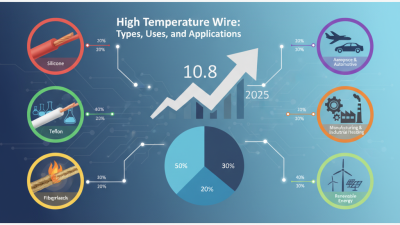
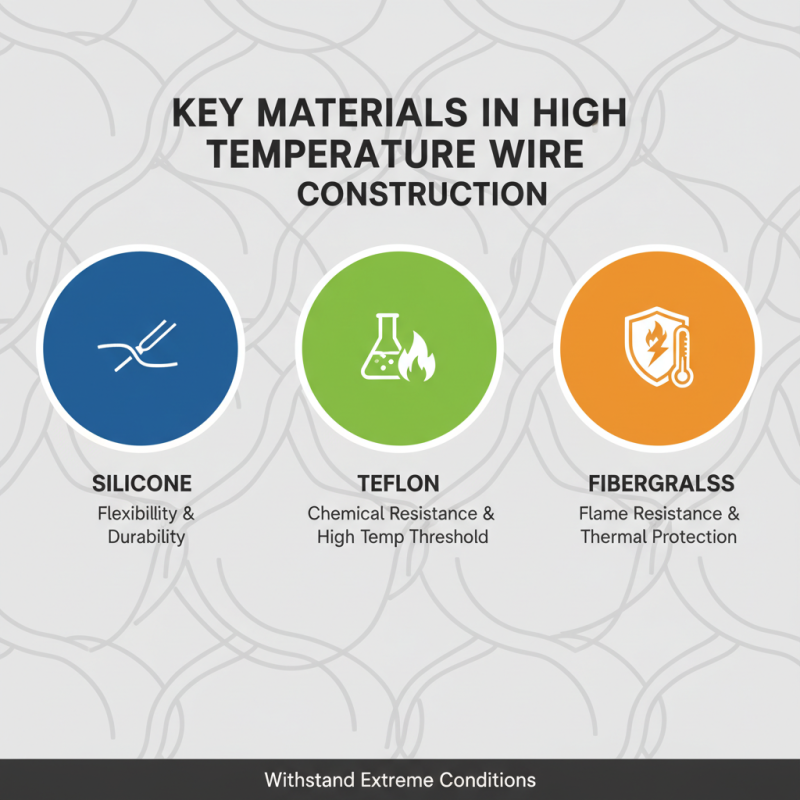
When selecting high temperature wire, understanding the key materials used in its construction is essential. Common materials include silicone, Teflon, and fiberglass. These materials can withstand extreme conditions. Silicone wires are known for their flexibility and durability. Teflon wires offer chemical resistance and a high-temperature threshold. Fiberglass insulation is valuable for its flame resistance and thermal protection.
Tips: Always consider your specific application. High temperature wires serve various industries, including automotive and aerospace. Choose based on temperature ratings and chemical exposure. Each material has unique benefits, so evaluate your needs carefully.
Fiber-reinforced wires provide additional strength. However, they may not be suitable for all environments. Assess whether the added strength meets your application requirements. Remember, the perfect choice depends on balancing flexibility, durability, and safety features to match your project's demands.
Evaluating Temperature Ratings: Choosing the Right Specifications
When selecting high-temperature wire, understanding temperature ratings is crucial. Temperature ratings indicate how well a wire can withstand heat without degrading. For instance, a wire rated up to 200°C might be suitable for applications like automotive engines. However, exceeding these ratings can lead to insulation failure, causing malfunctions or hazards.
Industry reports highlight that many wires fail due to improper application of temperature ratings. A recent study from the Institute of Electrical and Electronics Engineers (IEEE) showed that about 30% of electrical failures relate to using inadequately rated wires. Evaluating the environment where the wire will be used is essential. Consider ambient temperatures, exposure to chemicals, and mechanical stresses.
Temperatures aren't the only concern. Insulation material also plays a significant role in performance. Common materials include silicone, fluoropolymer, and PVC, each with differing heat tolerance and flexibility. For instance, silicone can function effectively at elevated temperatures, but it's crucial to assess if it meets your specific application needs. Ignoring these factors may lead to costly errors.
Comparative Analysis: Silicone vs. PTFE High Temperature Wires
When selecting high-temperature wire, two popular materials often come to the forefront: silicone and PTFE. Silicone wires can typically withstand temperatures ranging from -60°C to 200°C, while PTFE wires excel at even higher temperatures, capable of enduring up to 260°C. This temperature advantage makes PTFE a more favorable choice for extreme environments.
However, it’s essential to note that PTFE may not always be the easiest wire to handle. It can be more rigid than silicone, complicating installation in tight spaces. Silicone wires, though less temperature resistant, offer excellent flexibility, making them suitable for applications requiring bending or twisting. According to recent industry reports, around 30% of users prefer silicone for applications with frequent movement, even if it sacrifices some temperature tolerance.
Moreover, the chemical resistance of both materials deserves attention. PTFE exhibits superior resistance to solvents, acids, and bases, making it ideal for harsh chemical environments. Silicone, while resistant to various substances, does not match PTFE in this regard. Users often report challenges with silicone’s degradation over time in some chemical exposures. This analysis highlights a trade-off; selecting the right wire hinges on balancing temperature needs and application-specific conditions.
2026 How to Choose High Temperature Wire for Your Needs? - Comparative Analysis: Silicone vs. PTFE High Temperature Wires
| Property |
Silicone High Temperature Wire |
PTFE High Temperature Wire |
| Temperature Range |
-60°C to +200°C |
-200°C to +260°C |
| Flexibility |
Highly flexible |
Less flexible |
| Chemical Resistance |
Moderate |
Excellent |
| Moisture Resistance |
Good |
Very good |
| Electrical Insulation |
Good |
Excellent |
| Cost |
Moderate |
Higher |
Cost Considerations and Long-term Benefits of High Temperature Wires
When selecting high-temperature wire, cost considerations are crucial. High-quality wires might seem expensive initially. However, their long-term benefits often justify the price. According to industry reports, investing in high-temperature wire can reduce maintenance costs by up to 30% over time. These wires are resistant to thermal degradation, which translates into fewer replacements.
Durability is another key factor. High-temperature wires withstand extreme conditions, maintaining performance where standard wires might fail. For example, in environments exceeding 200°C, standard wiring could degrade within months. This could lead to costly downtime or equipment failure.
Tip: Always assess the specific temperature ratings required for your application. Choosing the right gauge can also impact overall performance.
Tip: Consider installation costs. A more expensive wire may incur lower installation costs due to simplified handling and fewer connections.
By analyzing these aspects, one can make a more informed decision. Ultimately, investing in high-temperature wire can enhance reliability and save money, proving essential for long-term success.