Choosing the best fire resistant cable is not simply a matter of selecting the highest temperature rating. The correct choice depends on circuit purpose, installation conditions, required survival time, and local regulations. A cable protecting emergency lighting may face different demands from one serving a fire pump or alarm system. Small details matter, too. Consider tray congestion, bending radius, water exposure, mechanical impact, and termination quality.
A reliable evaluation should examine tested performance, not only marketing language. Look for relevant certification and test evidence, such as fire survival, circuit integrity, smoke behavior, and halogen performance. Standards such as IEC 60331 or BS 6387 may apply, but requirements differ by project and jurisdiction. Always confirm the current edition with a qualified designer or authority having jurisdiction. A fire resistant cable can perform well in a laboratory, yet fail early if installers exceed its bending limit or use unsuitable glands.
Installation is part of cable selection.
Experienced engineers inspect the complete system, including supports, joints, glands, and connected equipment. They ask practical questions: Will water spray reach the cable? Can falling debris damage it? Does the support system remain stable during fire exposure? No selection method is flawless. A cable labeled “fire resistant” does not guarantee circuit survival in every installation. That assumption can fail. Reviewing test reports, manufacturer instructions, project specifications, and maintenance plans creates a more dependable decision. The best option is therefore the cable that matches the real hazard, verified evidence, and installation capability—not merely the most impressive product description.
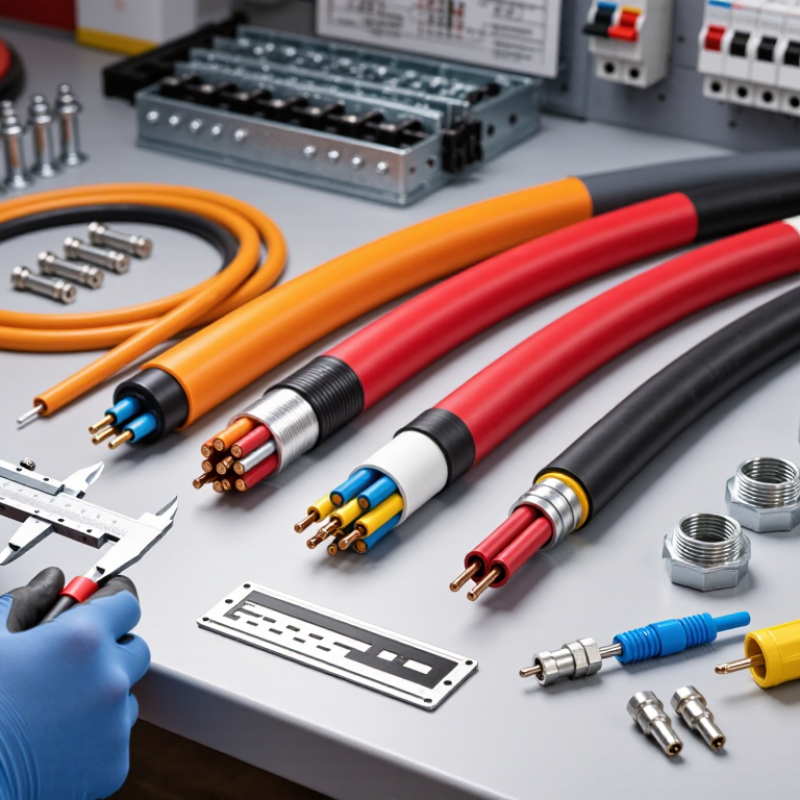
Fire-resistant cable ratings describe how long a circuit can operate during a fire. They do not simply measure whether the cable burns. A compliant cable must maintain electrical continuity under defined heat, time, and mechanical conditions.
IEC 60331, EN 50200, and BS 6387 may appear in project specifications. However, these standards test different cable types and applications. Their results are not automatically interchangeable.
Check the required circuit integrity period first.
Common ratings include 30, 60, 90, or 120 minutes. The correct period depends on evacuation plans, fire compartment design, and local regulations. A cable for emergency lighting may need a different test than one for fire pumps. Confirm the rated voltage, conductor size, installation method, and support system. The cable alone may pass testing, but unsuitable clips can fail quickly.
Look beyond the printed rating. Review test reports, certification scope, temperature limits, bending requirements, and smoke performance. Ask whether the test covered the complete installed system. A rating can look reassuring. It can still mislead. I would not approve a selection based only on a catalogue line. Site conditions matter, especially crowded trays, tight bends, moisture, and poor fire-stopping. Independent certification and clear technical records make comparison safer, although paperwork is not a substitute for careful installation.
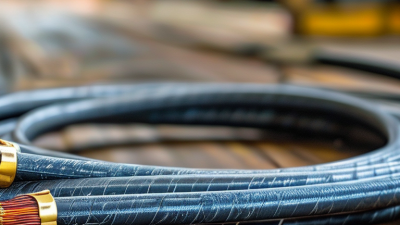
How to Choose the Best Fire Resistant Cable?
The installation environment should guide every cable decision. A cable in a dry service corridor faces different risks from one inside a tunnel. Check ambient temperature, moisture, dust, chemicals, vibration, and exposure to sunlight. A basement may look harmless, yet standing water can enter poorly sealed joints. Cable routes near boilers also need insulation that tolerates continuous heat, not only short fire exposure.
Fire protection requirements must match the building’s emergency plan. Ask how long essential circuits must operate during a fire. Emergency lighting, alarms, smoke extraction, and fire pumps may require different circuit-integrity ratings. Review national codes, project specifications, and independent test certificates. Do not rely on a product label alone. The certificate should identify the tested construction, installation method, duration, and applicable standard.
Installation quality matters as much as cable selection. Correct cleats, spacing, bends, glands, and supports help maintain circuit integrity. Plastic ties may soften early and allow cables to fall. A qualified installer should inspect every route before concealment. In site assessments, I have seen a suitable cable weakened by sharp bends and crowded trays. That mistake is easy to miss. It also shows why drawings should be checked against real conditions, including expansion joints and access for future inspection.
Choosing the best fire resistant cable requires more than reading a temperature rating. Start with the material. Mineral insulated cables tolerate extreme heat and resist moisture, but they are rigid and harder to terminate. Mica-taped cables provide strong circuit integrity during fire exposure. Their performance depends on careful manufacturing and installation. Low-smoke, zero-halogen insulation can reduce toxic fumes, while XLPE insulation offers useful thermal and mechanical strength in many systems. No material is perfect.
Construction affects reliability. Examine the conductor size, insulation layers, fire barrier, sheath, and bending radius. A thick sheath may improve impact resistance, yet it can make routing difficult in narrow trays. Armoured construction suits exposed industrial areas, but it adds weight and requires proper grounding. Check whether the cable maintains circuit operation under heat, shock, water spray, and mechanical impact. These tests matter more than a single headline rating. I have seen specifications look impressive until installation conditions were considered.
Tips: Match the cable to the actual risk. Review fire duration, voltage, load, ambient temperature, and installation route. Confirm test reports from an accredited laboratory, then compare them with local electrical requirements. Ask how joints, glands, and supports perform during fire; weak accessories can defeat a strong cable. Leave room for honest doubt. If data is unclear, request clarification before purchasing. Proper installation remains essential, because even a certified cable can fail when bent sharply, crushed, or terminated carelessly.
Comparing typical continuous conductor temperature ratings by cable material and construction
Higher temperature capability can improve performance in demanding environments, but fire resistance also depends on cable construction. Mica tape, mineral insulation, suitable sheathing, circuit integrity testing, low-smoke behavior, and halogen-free materials should be evaluated together. The values shown are typical industry ratings and may vary by cable design, installation method, and applicable standard.
Reference framework: IEC 60502-1, IEC 60331, IEC 60754, and IEC 61034.
Choosing the best fire-resistant cable starts with the electrical system, not the label. Check the rated voltage against the circuit’s normal and possible fault conditions. A cable rated for 300 volts may be unsuitable for a 600-volt installation. Confirm conductor size, insulation rating, and required fire-survival time from technical documents.
Temperature matters in two directions. Review the maximum conductor temperature during normal operation. Then examine the surrounding environment, including hot ceilings, equipment rooms, moisture, and direct sunlight. Higher temperatures reduce a cable’s current-carrying capacity. Do not rely on room temperature alone. I have seen designs fail because the cable tray became much hotter than expected.
Load calculations should include continuous current, starting current, grouping, and installation method. Several loaded cables in one tray can create heat quickly. Compare the result with the manufacturer’s ampacity tables and applicable electrical standards. Compatibility also includes termination hardware, conduit size, bending radius, shielding, and the connected equipment. A cable may survive fire testing yet perform poorly with unsuitable glands or terminals. Check certificates carefully, especially their test scope and installation conditions. Small details matter. I would also review the calculation with a qualified engineer, because site changes often invalidate an otherwise careful selection.
Choosing a fire resistant cable starts with the supplier, not the catalogue photograph. A reliable supplier should provide current certificates, test reports, and a clear product scope. Check the exact cable size, voltage rating, fire performance, and construction listed on each document. A certificate for one model does not automatically cover an entire product range.
Ask for traceability from raw materials to finished cable. The supplier should identify the production batch, conductor material, insulation type, and manufacturing date. Request routine test records for conductor resistance, insulation thickness, and electrical integrity. Independent laboratory reports add confidence, especially when their sample numbers match your proposed cable. Visit the factory if the project is critical. Observe storage conditions, testing equipment, and quality-control records.
Details matter. Small gaps can become expensive failures. Compare the printed cable marking with the certificate and delivery documents. Check outer diameter and drum labels when the shipment arrives. During inspections, I have found that paperwork may look perfect while packaging reveals moisture exposure or unclear traceability. That is a warning, not proof of failure, but it deserves investigation. Ask technical questions and record the answers. A dependable supplier will explain limitations instead of promising impossible performance. Also confirm installation guidance, permitted bending radius, jointing methods, and support spacing. Certification verifies tested performance, not careless installation. Select the cable only after its documents, physical condition, and intended application agree.
At Radix, we do more than sell products; we provide solutions. We take the time to learn about each customer and your unique challenges, and then our knowledgeable team of problem solvers works to educate you on the possibilities to improve your products or operations.
From cutting-edge technology applications to extreme industrial environments, we’re here to collaborate, innovate, and elevate your success. Let’s connect.