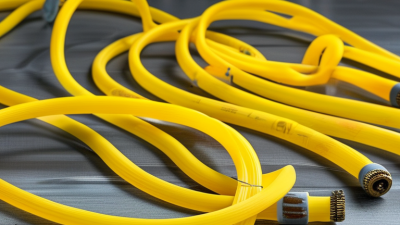
Choosing the right high temp wire starts with the heat it will actually experience—not the highest temperature printed on a product page. A kiln connection, engine bay, and industrial oven create different thermal conditions. Nearby airflow, vibration, chemicals, and brief temperature spikes can matter as much as steady heat. Small details matter.
Begin by checking the conductor’s operating temperature, the insulation rating, and the expected service life. IEC 60216-1:2013 describes procedures for evaluating the thermal endurance of electrical insulating materials. Its data can help engineers compare aging behavior, but it does not replace application-specific testing. UL 758, the Standard for Safety for Appliance Wiring Material, provides another useful reference when assessing wire constructions intended for appliance use.
Next, match the wire to the full environment. Silicone insulation may suit flexible, hot applications, while glass-braid or fluoropolymer constructions may fit other exposure needs. These are not automatic choices: chemical contact, abrasion, bend radius, voltage, and installation space can change the answer. Heat is rarely even. A cable beside a heater can run hotter than the surrounding air, and a tight bundle may retain heat.
This guide explains how to compare temperature ratings, insulation materials, and real operating conditions before selecting high temp wire. Treat published ratings as starting points, not guarantees. A neat specification sheet can still leave out an awkward detail—such as repeated flexing or a hot terminal. That deserves a second look.
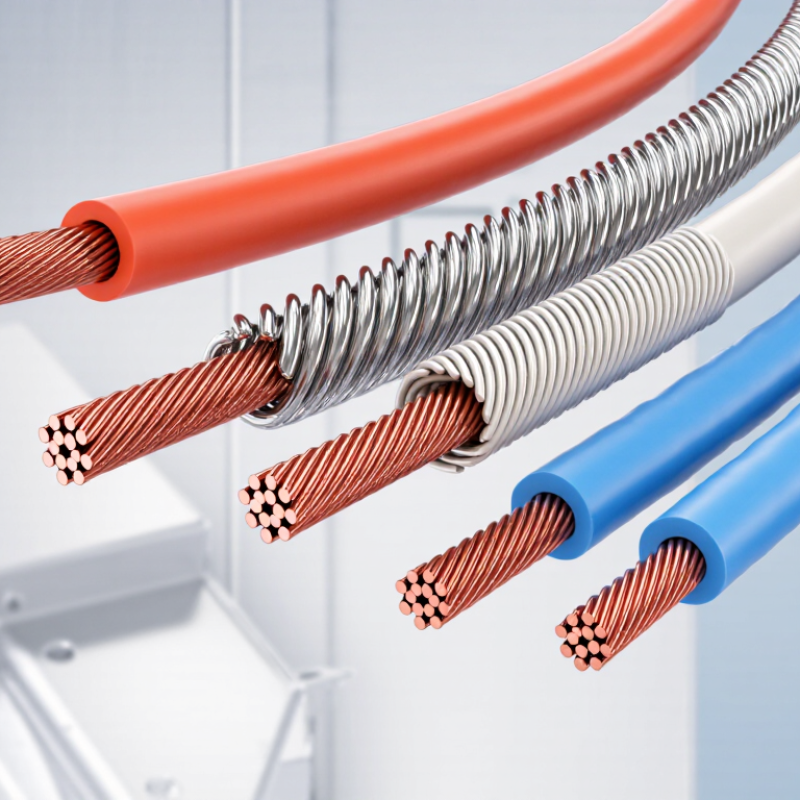
Before selecting high-temperature wire, map the conditions where it will actually run. Record the normal operating temperature, expected peaks, and how long each peak lasts. A short heat spike is different from continuous exposure. Heat adds up. Check nearby surfaces too: a wire beside a hot motor or oven wall may face more heat than the room’s air temperature suggests.
Then consider the full route, not just the hottest point. Bundled conductors, tight conduits, and limited airflow can trap heat. Current load matters, as do voltage, vibration, abrasion, oil, moisture, and cleaning chemicals. These details affect insulation choice and service life. Compare the expected conditions with the wire’s rated temperature, using the manufacturer’s technical data rather than appearance or a rough guess. Keep a reasonable margin, especially when temperatures fluctuate or equipment cycles often. Estimates are imperfect; that is worth admitting. If the installation is accessible, measure temperatures during a representative operating cycle and check again under heavy load. A neat reading on a cool day may not reflect summer operation or a blocked ventilation path. When conditions vary, document the highest observed temperature and the measurement location.
How to Choose the Right High Temp Wire?
Compare High-Temperature Wire Insulation Materials
Choosing high-temperature wire starts with insulation, not the conductor. In practical installations, heat often collects near terminals, ovens, motors, or sealed enclosures. A wire rated for 200°C may fail sooner when vibration, oil, or repeated bending is present. Temperature ratings are useful, but they are not the whole story.
PTFE insulation commonly supports continuous temperatures near 260°C and resists chemicals well. FEP offers similar chemical resistance, but its typical continuous rating is closer to 200°C. Silicone insulation usually handles about 180–200°C and stays flexible during movement. Fiberglass-braided constructions can reach approximately 250°C, depending on the coating and structure. PEEK often approaches 260°C while providing strong abrasion resistance. These figures align with thermal-endurance methods described in IEC 60216 and construction requirements referenced by UL 758.
Look beyond the headline number. IEC 60216 evaluates insulation aging over time, not just short exposure. A useful field check includes ambient temperature, current load, bend radius, moisture, and nearby heat sources. I have seen installations fail because engineers selected the highest temperature rating, then ignored mechanical stress. That shortcut is tempting.
Check the real temperature. Then check the environment.
When data sheets disagree, request test conditions and aging curves. The correct choice may be a lower-rated, more flexible material that survives daily movement. This is where judgment matters, and the first decision is not always the best one.
| Insulation Material | Typical Maximum Continuous Temperature | Temperature Capability | Flexibility | Chemical and Moisture Resistance | Abrasion Resistance | Typical Applications | Main Limitations |
|---|---|---|---|---|---|---|---|
| PTFE (Polytetrafluoroethylene) |
Up to 260°C (500°F) |
Excellent high-temperature stability across a wide operating range. | Good, especially in thin-wall constructions; becomes less flexible at very low temperatures. | Excellent resistance to moisture, oils, solvents, acids, and many corrosive chemicals. | Good, but the surface can be damaged by sharp or repeated mechanical contact. | Aircraft and aerospace wiring, laboratory equipment, chemical-processing systems, and high-temperature control circuits. | Relatively expensive; can deform under pressure and has limited resistance to radiation compared with some alternatives. |
| PFA (Perfluoroalkoxy) |
Up to 260°C (500°F) |
Excellent continuous-temperature performance with strong thermal stability. | Very good; generally easier to process and bend than many other fluoropolymers. | Excellent resistance to moisture, chemicals, oils, and solvents. | Good to very good, depending on wall thickness and wire construction. | Semiconductor equipment, chemical instrumentation, high-purity processing, and demanding industrial wiring. | Higher material cost; mechanical strength and cut-through resistance may require additional protection. |
| FEP (Fluorinated Ethylene Propylene) |
Up to 200°C (392°F) |
Good high-temperature performance for applications below the rating of PTFE and PFA. | Good flexibility and ease of processing. | Excellent resistance to moisture and a broad range of chemicals. | Moderate; may require protection in severe abrasion environments. | Industrial controls, sensors, instrumentation, and compact electronic assemblies. | Lower temperature rating than PTFE and PFA; can be more susceptible to mechanical damage. |
| Silicone Rubber | Approximately 180–200°C (356–392°F) |
Very good resistance to continuous heat, cold, and thermal cycling. | Excellent flexibility, even at low temperatures. | Good resistance to moisture and many chemicals; performance depends on the specific formulation. | Moderate to poor unless protected or specially compounded. | Appliances, motors, lighting, heaters, medical equipment, and wiring exposed to vibration. | Lower tear, cut, and abrasion resistance; can swell or deteriorate in contact with certain oils and solvents. |
| Polyimide Film | Approximately 200–260°C (392–500°F), construction-dependent |
Excellent thermal stability and strong performance in compact high-temperature assemblies. | Good for thin, lightweight wiring; bending radius must be respected to avoid film damage. | Good resistance to many chemicals and radiation; moisture performance depends on the complete insulation system. | Good when properly bonded and protected; edges can be vulnerable to abrasion. | Aerospace, motors, transformers, flexible circuits, and space-constrained equipment. | Requires careful stripping and termination; not all constructions provide the same moisture or mechanical performance. |
| ETFE (Ethylene Tetrafluoroethylene) |
Approximately 150°C (302°F) |
Good thermal capability with strong mechanical performance. | Good flexibility, with better toughness than many fluoropolymer alternatives. | Excellent resistance to moisture, oils, and many chemicals. | Very good; strong choice where cut-through and abrasion resistance are important. | Industrial machinery, vehicle wiring, robotics, control panels, and rugged instrumentation. | Lower maximum temperature than PTFE, PFA, and many silicone constructions. |
| Fiberglass Braid | Approximately 450–500°C (842–932°F), insulation-system dependent |
Very high temperature capability when used with an appropriate inner insulation or coating. | Limited compared with silicone and fluoropolymer insulation; suitable for fixed or moderately flexing installations. | Good thermal resistance; moisture and chemical performance depend on the coating and complete wire design. | Good surface durability, but the braid may fray if repeatedly rubbed or flexed. | Furnaces, ovens, heating equipment, glass-processing systems, and high-temperature industrial machinery. | Usually not suitable for wet environments without additional protection; exposed fibers may irritate skin and can absorb contaminants. |
| Mica-Based Insulation | Approximately 500–600°C (932–1112°F), system-dependent |
Extremely high-temperature capability for specialized wire and heating applications. | Low; generally intended for fixed installations and careful handling. | Good thermal and electrical stability, but the finished assembly must be protected from moisture and mechanical damage. | Low to moderate unless reinforced with braid, tape, or an outer jacket. | Industrial heaters, furnaces, kilns, high-temperature sensors, and thermal processing equipment. | Rigid and fragile compared with polymer insulation; unsuitable for repeated flexing without a purpose-built construction. |
| Temperature values are typical guidance ranges, not universal ratings. The allowable operating temperature depends on conductor size, voltage, insulation thickness, ambient conditions, flexing, chemical exposure, installation method, and the applicable electrical standard. | |||||||
Choosing high-temperature wire starts with the conductor, not the insulation. Copper offers excellent conductivity and flexibility. NIST reference data lists copper resistivity near 1.72 × 10⁻⁸ Ω·m at 20°C. Aluminum measures about 2.82 × 10⁻⁸ Ω·m. Aluminum may reduce weight, but it usually needs a larger gauge for equal current capacity. Check termination compatibility carefully.
Wire gauge must match load current, ambient temperature, bundle size, and installation method. The 2023 National Electrical Code provides ampacity tables, but those values assume defined conditions. High heat reduces a wire’s practical current capacity. Resistance also rises as conductor temperature increases. A 2-meter harness inside a 150°C enclosure can behave differently from the same harness in open air. I have seen designs fail because engineers checked gauge only. That shortcut deserves criticism.
Tips: Choose construction for movement and service life. Stranded conductors handle vibration and repeated bending better. Solid conductors suit fixed routing. Nickel-plated copper supports higher-temperature applications, while tin plating is often limited to cooler environments. Select insulation using thermal-aging data from IEC 60216, not marketing temperature claims alone. Fluoropolymer insulation offers low friction and strong chemical resistance. Silicone remains highly flexible, but it can suffer mechanical damage. Leave a temperature margin. Real installations are rarely perfect.
Choosing high-temperature wire starts with the environment, not the advertised temperature rating. In field inspections, I have seen insulation fail because oil exposure was ignored. Check continuous temperature, peak temperature, and heating duration. Short peaks can still damage materials over time. Ask whether the wire contacts solvents, coolant, moisture, or cleaning chemicals. Chemical charts help, but real mixtures may behave differently. Test a sample when the application is critical. Do not trust color alone.
Mechanical requirements deserve equal attention. Measure the bend radius around terminals and moving joints. Repeated flexing can break conductors beneath intact insulation. Note vibration, abrasion, pulling force, and installation space. A tightly packed cabinet changes the risk. Choose suitable conductor stranding and jacket toughness. Some wires survive heat but crack after repeated bending. That detail is easy to miss. Inspect crimp areas, too, because heat and motion often meet there.
Electrical requirements must match the actual circuit. Verify voltage, current, insulation rating, conductor size, and allowable temperature rise. Bundled wires may carry less current than open-air charts suggest. Confirm compatibility with terminals, connectors, and protective devices. Look for voltage drop on long runs. High resistance creates heat where you least expect it. I would document test conditions, although I sometimes record too little detail during urgent repairs. That habit needs correction. Leave room for evidence, not assumptions.
Choosing the right high temp wire starts with verified standards, not a dramatic temperature number. Check the insulation rating, voltage rating, conductor size, and applicable safety approvals. The wire must suit the equipment’s actual operating conditions. Heat, vibration, oil, moisture, and chemical exposure can all reduce service life.
From field inspections, I have seen wires fail because installers checked temperature but ignored installation details. Confirm the required bend radius, stripping method, terminal compatibility, and clearance from hot surfaces. A wire rated for 250°C may still be unsuitable if its terminals tolerate less heat. Check the full assembly, not only the cable.
Tips: Read the current datasheet carefully. Compare the rating with the highest continuous temperature, not a brief peak. Leave enough length for secure routing, but avoid loose loops near heaters. Use approved terminals and follow local electrical requirements. If the documentation seems unclear, stop and verify it with a qualified engineer. Guessing saves minutes, sometimes. It can create a much larger problem later.
I once underestimated vibration during a routine replacement. The insulation looked correct, yet movement stressed the connection. That experience changed my checklist. Standards provide a foundation, but installation compatibility determines whether the wire performs reliably in real service. Testing after installation is wise, although it is often skipped.
Compare typical continuous conductor-temperature ratings by insulation family. Always verify the exact wire construction, applicable UL or IEC standard, voltage rating, ampacity, bend radius, and installation environment before selection.
Typical reference values: PVC appliance wire up to 105°C, XLPE-insulated wire up to 125°C, FEP and silicone-insulated wire up to 200°C, and PTFE-insulated wire up to 260°C. Actual ratings vary by construction and certification; temperature rating alone does not determine allowable current.
At Radix, we do more than sell products; we provide solutions. We take the time to learn about each customer and your unique challenges, and then our knowledgeable team of problem solvers works to educate you on the possibilities to improve your products or operations.
From cutting-edge technology applications to extreme industrial environments, we’re here to collaborate, innovate, and elevate your success. Let’s connect.