What is Multi Conductor Cable and Its Applications in Various Industries?
In the world of electrical wiring, multi conductor cables play a critical role. These cables consist of multiple insulated conductors bundled together. This design allows for efficient power distribution and signal transmission. Industries benefit from their versatility and reliability.
Applications range from telecommunications to industrial automation. Multi conductor cables are essential in complex environments. They can be found in control panels, robotics, and data centers. This adaptability demonstrates their value across various sectors. However, challenges exist in their installation and maintenance. Proper handling is crucial to ensure performance and safety.
Understanding the specifications of multi conductor cables is vital for engineers and technicians. It is not just about choosing any cable. The right one must match the industry's requirements. This highlights the need for expertise in selecting and using these cables. Mistakes in selection can lead to inefficiencies or failures in systems. Thus, knowledge and experience in this area are indispensable.
Definition and Overview of Multi Conductor Cable
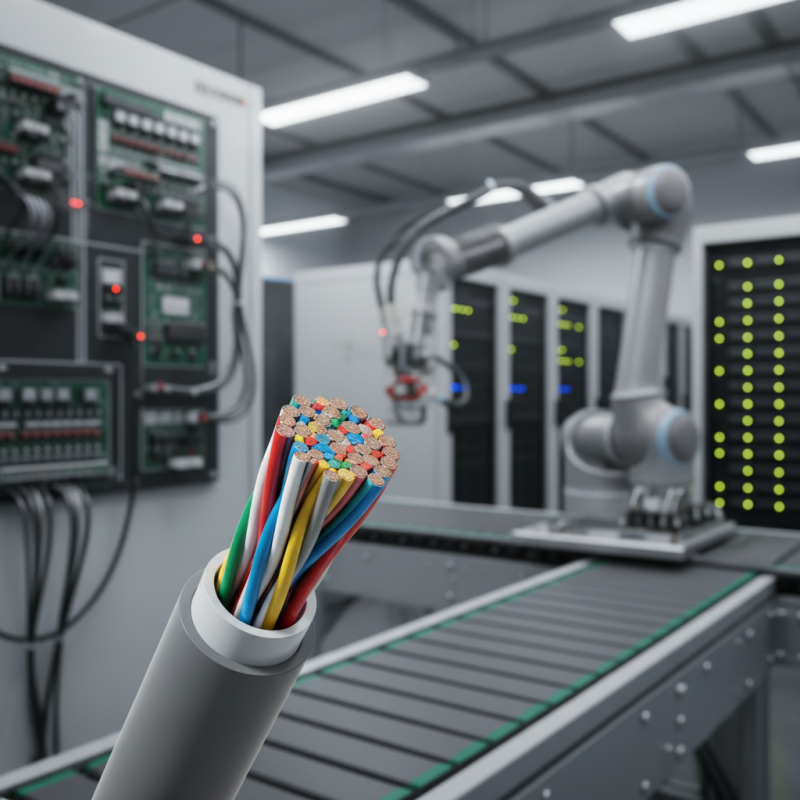
Multi conductor cables are versatile wiring options used across multiple sectors. They consist of multiple insulated conductors bundled together, enabling efficient transmission of signals and power. Their design allows for flexibility and ease of installation. You’ll often see them in control panels, machinery, and automation systems.
In industrial settings, these cables play a critical role. They are essential for connecting various components of electrical systems. Multi conductor cables can handle diverse signals, making them ideal for data communication. Their robust construction ensures durability, even in harsh environments. In automation, they facilitate real-time data exchange, crucial for operational efficiency.
However, careful selection is necessary. Not all multi conductor cables are the same. Factors like gauge, insulation type, and environmental ratings significantly affect performance. These cables can sometimes face issues like signal interference or physical damage. Choosing the right cable for your application demands attention. It's essential to consider both the immediate and long-term needs of your system.
Types of Multi Conductor Cables and Their Specifications
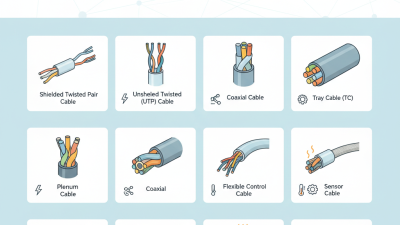
Multi conductor cables are essential in various industries due to their ability to carry multiple signals simultaneously. These cables come in various types, each designed for specific applications. Among them, the most common types include shielded, unshielded twisted pair, and coaxial cables. For instance, shielded cables provide excellent protection against electromagnetic interference, making them ideal for environments with high electrical noise.
Specifications vary across these types, impacting their performance. A report from the International Electrotechnical Commission indicates that the maximum frequency for twisted pair cables can reach 600 MHz, ensuring high-speed data transmission. Coaxial cables, with a characteristic impedance of 75 ohms, are often used for cable television and broadband applications. These specifications highlight the importance of selecting the right cable to meet industry standards.
While multi conductor cables offer versatile solutions, not all installations are flawless. Factors like environmental conditions and installation techniques can affect their performance. Poor installation could lead to signal degradation, affecting overall efficiency. Industry reports suggest that approximately 20% of installation errors stem from improper handling of cable types. This underlines the need for careful planning and execution when deploying multi conductor cables in critical systems.
What is Multi Conductor Cable and Its Applications in Various Industries?
| Cable Type |
Number of Conductors |
Max Voltage (V) |
Applications |
Shielding Type |
| Multi Conductor Control Cable |
3 to 20 |
600 |
Industrial Automation, HVAC systems |
Foil Shield |
| Instrumentation Cable |
4 to 24 |
300 |
Oil & Gas, Chemicals, Power Plants |
Copper Shield |
| High Flex Cable |
2 to 12 |
300 |
Robotics, Automation devices |
None |
| Low Voltage Multi Conductor Cable |
2 to 20 |
600 |
Light Industrial, Building wiring |
Foil Shield |
| Multi Pair Telecom Cable |
2 to 100 |
300 |
Data Transmission, Telecommunication |
Unshielded |
Common Applications in Electrical and Communication Industries
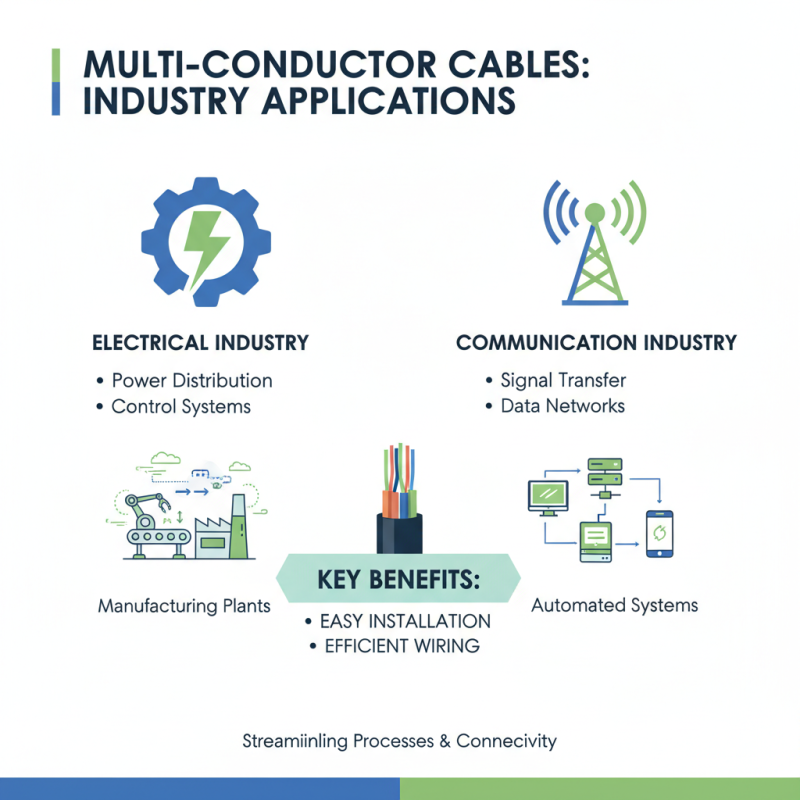
Multi conductor cables, with their multiple insulated conductors housed together, play a vital role in various industries. In electrical applications, these cables are employed for power distribution and control systems. Their design allows easy installation and efficient signal transfer, which is key in environments like manufacturing plants. For instance, in automated systems, these cables help streamline processes by reducing wiring complexity.
In the communication sector, multi conductor cables are essential for transmitting data. They facilitate connections for telecommunication systems, ensuring messages travel seamlessly between devices. During installation, proper termination of cables is crucial. Improper connections can lead to signal loss or interference, a common issue that requires careful attention. Engineers often face challenges in balancing performance and cost while choosing the right cables for diverse communication networks.
Using multi conductor cables improves system reliability and reduces maintenance. However, they can be costly and require skilled labor for installation. These factors merit reflection on their long-term benefits versus initial expenses. The effectiveness of multi conductor cables hinges on their proper application in both electrical and communication setups.
Benefits of Using Multi Conductor Cables in Various Settings
Multi conductor cables serve various industries by providing efficient electrical connections. These cables consist of multiple conductors bundled together, allowing simultaneous transmission of signals and power. This design promotes organization in complex wiring systems, reducing clutter and risk of errors.
Using multi conductor cables offers numerous advantages. They streamline installation processes, particularly in tight spaces. For instance, they simplify connections in control panels and machinery. This not only saves time but also enhances reliability, as fewer connections mean lower chances of failure. In environments like factories, having organized and efficient wiring can significantly improve workflows.
On the downside, selecting the wrong multi conductor cable can lead to compatibility issues. It's crucial to ensure the cable meets specific electrical requirements. Additionally, while these cables are versatile, the initial cost may deter some businesses. Overall, the long-term benefits often outweigh these challenges, especially in demanding industrial applications.
Installation and Maintenance Best Practices for Multi Conductor Cables
When it comes to installing multi conductor cables, clear planning is essential. Assess the environment before installation. This involves understanding the cable's location and potential obstacles. Identify factors like temperature, moisture, and electromagnetic interference. These elements can affect performance.
The actual installation should follow best practices. Start by securing the cable firmly to prevent damage during operation. Use the appropriate connectors and ensure that they are rated for your specific cable type. It’s also important to test the cable before full-scale operation. Regular testing can unveil hidden issues.
Maintenance is another critical factor. Conduct frequent inspections to identify wear and tear. Be proactive about replacing any damaged sections. Ignoring small problems can lead to bigger, costlier failures. Document all maintenance activities for future reference. It fosters accountability and facilitates troubleshooting down the line.