Top Tips for Choosing the Right Photovoltaic Accessory?
As the demand for renewable energy solutions grows, selecting the right Photovoltaic Accessory becomes critical. The global solar market is projected to reach over $223 billion by 2026, according to a report by Allied Market Research. With billions of dollars at stake, businesses and homeowners must understand what accessories enhance system efficiency and longevity.
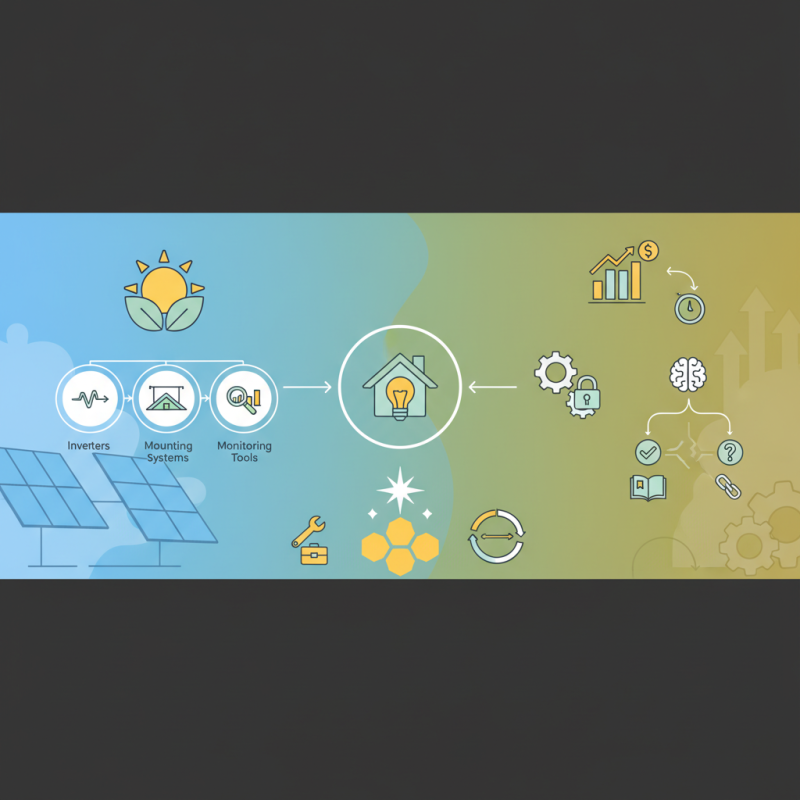
Choosing the right accessory isn't always straightforward. Many users struggle with compatibility issues. Reports indicate that improper installation or selection can lead to up to a 10% decrease in efficiency. It's essential to weigh the benefits of each component, like inverters, mounting systems, and monitoring tools. Each plays a unique role in optimizing solar performance.
The right choice can lead to significant energy savings and reduced payback periods. However, navigating this landscape requires expertise. Many consumers reference online guides or seek advice from professionals. However, not all recommendations are reliable. It’s crucial to gather data from credible sources to ensure informed decisions. Remember that even the best systems can falter without the right accessories.
Understanding Different Types of Photovoltaic Accessories Available
When selecting photovoltaic accessories, understanding their types is crucial. There are several essential categories to consider. Mounting systems ensure your solar panels are securely placed. Inverters are vital for converting solar energy into usable electricity. Storage batteries are increasingly popular, enabling energy use even when sunlight is low. According to the International Energy Agency (IEA), global solar energy capacity is expected to reach 1,000 GW by 2025. This growth drives innovation in accessory development.
Tip: Evaluate your site’s characteristics. Roof angle and shading affect accessory selection. You may require specialized mounting systems for uneven surfaces. Additionally, consider using high-efficiency inverters to maximize energy conversion rates. Reports indicate that modern inverters can achieve efficiencies above 97%, greatly enhancing overall system performance.
Another key detail is the compatibility of components. Not all accessories work seamlessly together. The latest market trends indicate a rising demand for smart technology integration. This technology allows for better monitoring and management of energy production. Users should carefully research compatibility options before purchasing. It’s essential to avoid mismatched components, which can lead to inefficiencies. Remember, even small discrepancies can impact overall system efficacy significantly.
Top Tips for Choosing the Right Photovoltaic Accessory
This chart illustrates the popularity of different types of photovoltaic accessories among users, helping you choose the right ones for your solar energy system.
Evaluating the Quality and Performance of Photovoltaic Accessories
When choosing photovoltaic accessories, evaluating quality and performance is crucial. Consider materials and build. High-quality solar panels often use durable, weather-resistant materials. Cheaper alternatives may not withstand environmental stress, leading to earlier failures. Performance ratings provide insights into efficiency. Look for accessories with a proven track record.
Quality assurance is another key factor. Check certifications and industry standards. Reliable products typically undergo rigorous testing. Verify if manufacturers provide warranties. A solid warranty reflects confidence in their product's longevity.
User reviews can offer valuable insights. Look for feedback that highlights long-term performance. Some accessories may seem effective initially but fail under real-world conditions. Take note of common complaints. They can reveal hidden issues. Assessing these factors may lead to more informed choices. Careful consideration can save time and money in the long run.
Considerations for Cost and Budget When Selecting Accessories
When selecting photovoltaic accessories, cost and budget are crucial factors. A tight budget can limit options. It's essential to prioritize what you really need. Focus on the accessories that enhance efficiency or extend the lifespan of your system. Compare prices carefully. Some accessories may seem costly upfront but can save money over time.
Consider the overall quality versus price. Cheaper options might not last long, leading to more frequent replacements. Evaluate the warranty and support offered with each accessory. Sometimes, paying slightly more ensures better reliability and service. Packing in features may sound appealing, but ask yourself: do you truly need them?
Ask for expert advice when unsure. Not all accessories suit every installation, so tailored recommendations can be helpful. Research reviews from verified buyers for deeper insights. It's okay to make mistakes in your selections; learning what doesn’t work is part of the process. Remember, your investment should align with your specific needs and goals.
Compatibility of Accessories with Various Solar Panel Systems
Choosing the right photovoltaic accessories is crucial for optimizing solar panel efficiency. Compatibility with various solar panel systems significantly impacts performance and longevity. Many accessories, such as inverters and mounting systems, are not universally applicable. According to the National Renewable Energy Laboratory, ensuring compatibility can boost efficiency by up to 15%. This suggests that investing time in research pays off.
When selecting solar accessories, consider technical specifications. Different solar panels operate at varying voltage levels. For instance, a 300-watt panel may use a different inverter than a 400-watt model. Mismatched components can lead to decreased output. Some users report frustration when their accessories don’t function as intended. Misalignment can reduce energy harvest, causing losses.
Beyond technical specs, installation practices matter. Quality installation can affect how well accessories integrate with solar systems. In some cases, users overlook the need for professional installation, leading to underperformance. A report from Solar Power World highlighted that improper installation can decrease solar output by nearly 20%. This underscores the importance of both choosing the right products and ensuring proper setup. Making informed choices pays dividends in energy production and system reliability.
Key Features to Look for in Reliable Photovoltaic Accessories
When choosing photovoltaic accessories, several key features deserve attention. Efficiency is paramount. According to recent industry reports, optimal efficiency can increase overall energy output by up to 30%. This means that choosing the right inverter and mounting system is essential. Even slight mismatches can lead to significant energy losses.
Durability is another critical factor. Accessories often face harsh environmental conditions. A comprehensive study shows that low-quality components can fail within a few months. Investing in weather-resistant materials can prevent costly replacements and downtime.
Also, consider the warranty details. Some manufacturers offer longer warranties that indicate confidence in durability.
Compatibility is vital for seamless integration. Each photovoltaic system has specific requirements. It's vital to ensure that all accessories work together efficiently. Incongruities can jeopardize system performance.
Thorough research and consultation with professionals can help mitigate risks. The choices you make today will shape your solar energy effectiveness tomorrow.

