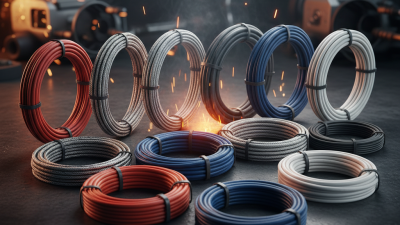
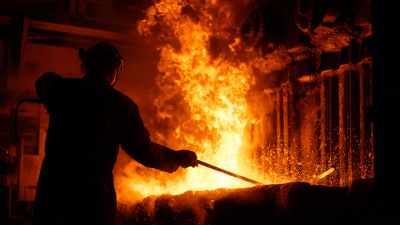
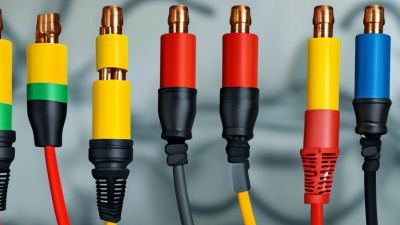
High temperature environments expose weak insulation quickly. A cable beside a turbine may face radiant heat, vibration, oil mist, and repeated thermal cycling. That is why choosing the right high temp wire requires more than checking its maximum temperature rating.
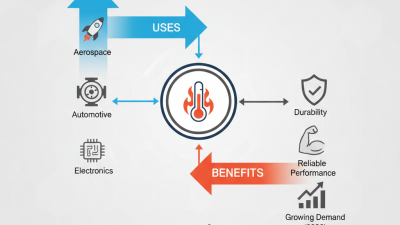
Recent analyses from Grand View Research and MarketsandMarkets describe steady demand for high-temperature cables across aerospace, automotive, energy, industrial automation, and chemical processing. Their findings also point to tighter equipment footprints and higher operating temperatures. These changes increase pressure on insulation systems, shielding, flexibility, and connector compatibility. The numbers are useful, but market reports cannot replace application testing.
IEEE Fellow Dr. George G. Karady, an electrical insulation specialist, has stated, “Insulation failure is often a thermal problem before it becomes an electrical problem.” That warning deserves attention. A wire rated for 200°C may still fail when abrasion, bending, moisture, or voltage stress is ignored.
This guide examines ten common types, including PTFE, PFA, FEP, silicone, fiberglass-braided, mica, ceramic, and mineral-insulated wire. Each material behaves differently. PTFE offers chemical resistance and clean routing. Silicone remains flexible near heat sources. Mineral-insulated cable tolerates severe temperatures, but installation can be demanding.
There is no universal winner.
Real selection depends on conductor size, current load, temperature duration, bend radius, shielding needs, and certification requirements. Standards such as UL 758, SAE AS22759, and IEC testing methods can support safer decisions. Still, standards do not eliminate engineering judgment. A practical test inside the actual assembly may reveal weaknesses that a specification sheet hides.
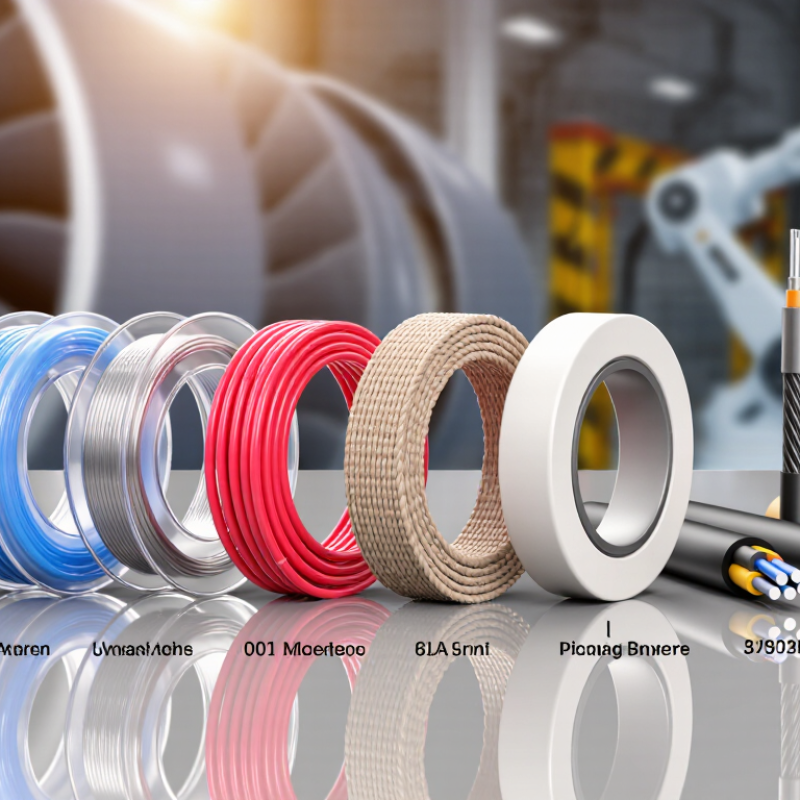
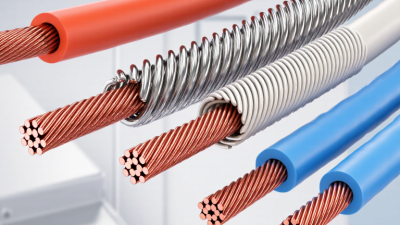
High-temperature wire is not simply wire with a high number on its label. It is a conductor, insulation system, and construction designed for heat exposure. Common types include fiberglass-insulated, PTFE-insulated, mica-insulated, ceramic-fiber, silicone rubber, and mineral-insulated wire. Each serves different conditions, from heaters and ovens to sensors, motors, and aerospace equipment. Copper carries current efficiently, while nickel alloys tolerate harsher heat but may increase resistance and cost.
Performance limits depend on more than ambient temperature. Continuous exposure, short-term peaks, voltage, current, bending, vibration, chemicals, and moisture all matter. A wire rated for 250°C may fail sooner when tightly bundled or pressed against a hot metal edge. Insulation can harden, crack, shed fibers, or lose dielectric strength. The conductor may also oxidize or become less flexible. In field work, a measured temperature often differs from the cable surface temperature. That mistake deserves attention.
Tips: Read the complete datasheet, not only the temperature rating. Check continuous and peak limits separately. Calculate current derating inside conduits, ovens, and crowded panels. Leave enough bend radius, use suitable terminals, and inspect discoloration or brittle insulation during maintenance. When conditions are uncertain, test a sample under realistic heat, load, and movement. A conservative selection is usually cheaper than repeated replacement.
| No. | High-Temperature Wire Type | Typical Insulation or Construction | Typical Continuous Temperature Rating* | Common Uses | Main Performance Strengths | Important Performance Limits |
|---|---|---|---|---|---|---|
| 1 | PTFE-Insulated Wire | Extruded polytetrafluoroethylene insulation over copper, tinned copper, or nickel-plated copper conductors | −65 to +200°C (−85 to +392°F) |
Aerospace wiring, laboratory equipment, heaters, sensors, and control panels | Excellent chemical resistance, low friction, low moisture absorption, and stable electrical properties | Can deform or cold-flow under pressure; limited resistance to cutting, abrasion, and radiation compared with some alternatives |
| 2 | PFA-Insulated Wire | Perfluoroalkoxy fluoropolymer insulation, often used with nickel-plated copper conductors | −65 to +260°C (−85 to +500°F) |
High-temperature chemical processing, semiconductor equipment, aerospace, and analytical instruments | Higher temperature capability than PTFE, excellent chemical resistance, and good flexibility | More expensive than common fluoropolymers; mechanical damage and conductor oxidation can still restrict service life |
| 3 | FEP-Insulated Wire | Fluorinated ethylene propylene insulation over a stranded or solid conductor | −65 to +200°C (−85 to +392°F) |
Chemical instrumentation, wiring in compact equipment, ovens, and industrial control systems | Smooth surface, good dielectric performance, low moisture absorption, and easy processing | Lower continuous temperature rating than PFA; relatively soft insulation can be damaged by sharp edges or excessive bending |
| 4 | Silicone-Insulated Wire | Silicone rubber insulation, commonly with finely stranded copper conductors | −60 to +180°C (−76 to +356°F) |
Motors, appliances, lighting, battery assemblies, control cabinets, and flexible connections | Very flexible over a wide temperature range and resistant to ozone, weathering, and thermal aging | Lower abrasion and tear resistance; silicone may be punctured or cut during installation |
| 5 | Fiberglass-Braided Wire | Glass-fiber braid over silicone, PTFE, or other high-temperature primary insulation; may include a protective varnish | Approximately +200 to +450°C (+392 to +842°F), depending on construction |
Heating elements, ovens, furnaces, glass equipment, kilns, and high-temperature appliances | Good heat resistance, useful mechanical protection, and compatibility with demanding thermal environments | The braid is usually not moisture-sealed; abrasion, flexing, contamination, and the underlying insulation determine the actual limit |
| 6 | Mica-Insulated Wire | Mica tape or mica-based insulation, often protected by fiberglass braid or a metal covering | Approximately +450 to +1,000°C (+842 to +1,832°F), construction-dependent |
Furnaces, industrial heaters, fire-resistant circuits, thermal equipment, and emergency power systems | Very high heat resistance and strong dielectric performance; some designs maintain circuit integrity during fire exposure | Mica is brittle and can crack under repeated flexing, impact, or tight bending; exact fire-survival time is design-specific |
| 7 | Polyimide-Film Wire | Thin polyimide film, sometimes combined with fluoropolymer layers, wrapped around the conductor | Approximately −65 to +260°C (−85 to +500°F) |
Aerospace systems, motors, transformers, compact electronics, and high-density wiring harnesses | High temperature-to-size ratio, excellent dielectric strength, low weight, and good radiation resistance | Film can be vulnerable to abrasion, moisture ingress at damaged areas, and partial-discharge conditions in some high-voltage designs |
| 8 | Enameled Polyimide Magnet Wire | Copper or aluminum conductor coated with polyimide-based enamel insulation | Approximately +200 to +240°C (+392 to +464°F) |
High-temperature motor windings, generators, transformers, actuators, and traction equipment | Very thin insulation enables compact windings while providing high thermal endurance and good solvent resistance | The enamel can be damaged by scraping or excessive winding tension; thermal life depends strongly on hot-spot temperature and varnish compatibility |
| 9 | Mineral-Insulated Metal-Sheathed Wire | Metal conductor separated by compacted magnesium oxide or another mineral dielectric inside a metal sheath | Approximately +600 to +1,000°C (+1,112 to +1,832°F), depending on metals and design |
Thermocouples, resistance temperature detectors, furnace wiring, heating cables, and nuclear or process instrumentation | Excellent heat resistance, compact construction, fire resistance, and strong mechanical protection | Must be carefully sealed against moisture; repeated bending can reduce insulation resistance, and sheath corrosion may limit service life |
| 10 | Ceramic-Insulated Wire | Ceramic beads, ceramic fiber, or refractory ceramic insulation around a heat-resistant conductor | Approximately +800 to +1,200°C (+1,472 to +2,192°F), design-dependent |
Kilns, high-temperature furnaces, radiant heaters, laboratory equipment, and specialized thermal sensors | Extremely high temperature capability, nonflammability, and resistance to many industrial heat environments | Ceramic materials are brittle and unsuitable for repeated flexing or impact; thermal shock, vibration, and moisture can cause cracking or insulation failure |
*Temperature ranges are typical engineering values rather than universal limits. The allowable rating depends on conductor material and size, insulation thickness, ambient temperature, heat dissipation, voltage, flexing, installation method, and the applicable safety standard. Short-term exposure limits may differ from continuous operating ratings.