Who Are the Top Digital Air Compressor Suppliers in China?
Compressed air rarely attracts attention until a production line slows or an energy bill climbs. Yet compressor selection can shape operating costs, uptime, and maintenance demands. The U.S. Department of Energy’s Improving Compressed Air System Performance guide estimates that leaks can waste 20–30% of compressor output in poorly maintained systems. Small leaks matter. A hiss near a hose coupling may signal wasted power across an entire shift.
The International Energy Agency’s Energy Efficiency 2023 report identifies digitalization and better energy management as important efficiency enablers. A Digital Air Compressor can support this work through sensor data, remote monitoring, and alerts for pressure or temperature changes. But dashboards alone do not guarantee savings. That distinction deserves attention. Buyers should check what the system measures, how clearly it reports faults, and whether local technicians can interpret the data.
China has a broad base of compressor manufacturers, but supplier claims are not interchangeable. Buyers can compare verified performance figures, controller functions, service coverage, spare-parts access, and references from similar applications. Ask for test conditions, not only headline efficiency numbers. This article examines who the leading Chinese suppliers are and what evidence helps distinguish them. Its comparisons are a starting point, not a substitute for checking a machine against real plant conditions.
What Defines a Digital Air Compressor?
Who Are the Top Digital Air Compressor Suppliers in China?
What Defines a Digital Air Compressor?
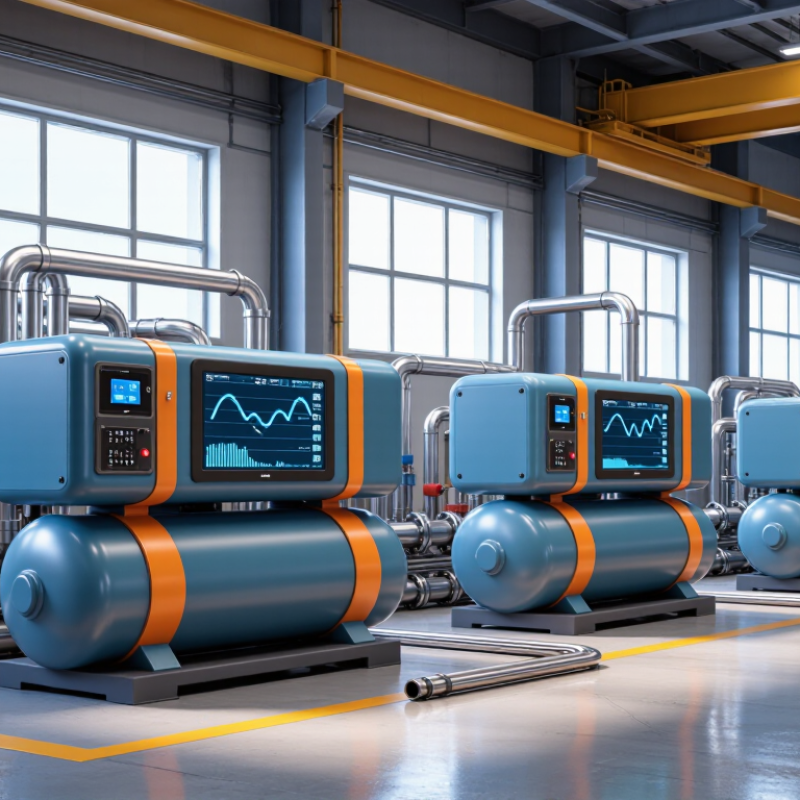
A digital air compressor uses electronic sensors and controls to monitor conditions such as pressure, temperature, and airflow. Its controller can adjust motor speed or operating settings to match changing air demand. This may reduce unnecessary energy use and help maintain steady pressure. The exact features vary between machines. “Digital” does not describe one fixed design.
A touchscreen alone does not make a compressor meaningfully digital. Look for clear operating data, useful alarms, and control functions that respond to real changes in demand. I would also check whether the displayed readings can be verified; screens can look precise without telling the whole story. That matters.
Tips: Ask for pressure and energy data under your expected operating conditions. Check how alarms are recorded, and confirm which controls are included. A short demonstration may reveal more than a feature list.
For a workshop, digital monitoring might show frequent pressure drops when several tools run together. In a factory, trend data can help identify leaks or changing demand before they cause bigger disruptions. Still, automation cannot fix poorly sized piping or neglected filters. The system needs correct installation and regular maintenance. Even experienced operators may need time to interpret the data. A digital compressor is best understood as a compressor with measurable, responsive controls—not as a guarantee of lower costs or better performance.
Who Are the Top Digital Air Compressor Suppliers in China? What Defines a Digital Air Compressor?
Pressure-Unit Conversions for Comparing Supplier Specifications
A digital air compressor uses sensors and electronic controls to monitor and manage operation; connectivity may also enable remote monitoring. “Digital air compressor” is a descriptive term, not a pressure rating. When comparing suppliers, check that quoted pressure values use the same units. The chart shows exact unit conversions: 1 bar = 100 kPa, 1 MPa = 1,000 kPa, and 1 psi ≈ 6.89476 kPa.
How to Assess Air Compressor Suppliers in China
A supplier’s polished website says little about how a compressor performs on a busy factory floor. Assess the production site, not just the sales office. Ask to see assembly and final-test records for the model you plan to buy. Request a load test and check pressure, airflow, and power draw with calibrated instruments. Numbers can mislead. Confirm that test conditions resemble your own operating environment.
For digital controls, ask for a live demonstration of alarms, operating history, and remote monitoring. Check whether the data can be exported and whether access permissions are clearly managed. Request wiring diagrams, maintenance schedules, and a list of wear parts before comparing prices. A low purchase price may not reflect filter costs, service response times, or energy use over several years. Have the supplier explain each estimate and its assumptions.
References from facilities with similar air demand can reveal practical details, such as response times during an unexpected shutdown. Ask how technicians diagnose faults and which spare parts are kept locally. A checklist cannot remove every risk; a brief factory visit may show only a staged run. If a claim matters to your decision, put it in the quotation and verify it during acceptance testing.
Leading Digital Air Compressor Suppliers in China
Leading Digital Air Compressor Suppliers in China
Leading digital air compressor suppliers in China are judged by more than equipment output. Strong suppliers pair variable-speed compressors with pressure, temperature, and power monitoring. Their systems can flag a clogged filter or pressure drift before production suffers. Useful dashboards show energy use per unit of air, not just attractive graphs.
The U.S. Department of Energy’s Improving Compressed Air System Performance sourcebook reports that compressed air uses about 10% of electricity in U.S. manufacturing. It also identifies potential energy savings of 20% to 50% through system improvements. These figures are not China-specific, but they explain why buyers should request measured power and airflow data. Ask for test conditions, too. A single efficiency number can hide a lot.
For Chinese buyers, supplier strength also means commissioning support, spare-parts access, and controls that connect with existing plant systems. A useful trial records pressure and energy use across real shifts, including demand peaks. Small detail. Digital monitoring is not magic; poor sensor placement can produce confident but misleading alerts. I would compare logged results with independent meter readings before trusting projected savings.
Key Technologies and Product Types Offered by Suppliers
China’s digital air compressor suppliers commonly offer rotary screw, piston, and oil-free models for workshops, factories, and sensitive production areas. Many screw compressors pair variable-speed drives with permanent-magnet motors to match output to changing air demand. This can reduce wasted running time, but savings depend on the site’s load profile and maintenance practices.
Digital controls track pressure, temperature, operating hours, and fault codes through a local screen or remote dashboard. Some systems support alarms for filter changes, abnormal heat, or pressure drops. Useful details. Ask suppliers how sensors are calibrated, what data can be exported, and whether controls connect with existing plant systems. A polished interface alone proves little.
Product selection also involves air quality, noise, cooling, and service access. Oil-free units may suit processes with strict contamination concerns, while oil-injected screw models serve many general industrial applications. Compare stated flow and pressure at the same test conditions, not just motor power. Demonstrations can reveal control delays or awkward menus; digital features sometimes add complexity rather than clarity. Check service intervals, spare-part availability, and warranty terms before comparing quotations.

