Top 10 Wire Cable Types for Global Procurement Needs?
In an interconnected world, wire cable plays a crucial role in various industries. From telecommunications to power distribution, understanding the types of wire cable is essential. Choosing the right type can significantly affect efficiency and safety.
Different wire cables meet diverse procurement needs. However, not all cables are created equal. Factors such as material, insulation, and overall design impact performance. This complexity demands careful consideration. Industry professionals must navigate these options skillfully.
As global demand rises, knowing the top wire cable types becomes vital for businesses. Companies often overlook essential details in their selection process. This oversight can lead to costly mistakes. Awareness and expertise in wire cable types can enhance procurement strategies. In this article, we will explore the top 10 wire cable types, highlighting their unique strengths and applications.
Understanding Wire Cable Types for Global Procurement
When sourcing wire cables for global procurement, understanding the various types is essential. Different projects require specific cable characteristics, from voltage ratings to insulation types. For instance, applications in extreme temperatures require cables with robust materials that won't degrade. Knowing these variations allows for smarter purchasing decisions.
Tips: Always analyze project requirements closely. Sometimes, standard cables may not meet unique needs. Consult industry guidelines when uncertain about cable specifications.
Navigating through the types of wires can be tricky. Consider low-voltage cables for residential use. Alternatively, high-voltage cables serve industrial applications. It's important to review the cost-effectiveness of each wire type.
As global procurement evolves, so do the needs for innovative cables. Research emerging materials that promise better performance attributes. Engage with suppliers who offer insights on durability and compliance. This ensures your choices align with the latest industry standards.
Top 10 Wire Cable Types for Global Procurement Needs
Key Factors Influencing Wire Cable Selection
Selecting the right wire cable type is crucial for global procurement needs. Factors such as material composition, insulation type, and application often dictate the decision. For instance, copper and aluminum cables have distinct properties and applications. According to the International Wire and Cable Manufacturers Association, copper remains the most popular option, but aluminum is increasingly gaining traction due to its lightweight and cost-effective nature.
Insulation types also play a vital role. PVC offers good durability for many applications, while cross-linked polyethylene (XLPE) is preferred for its thermal resistance. The 2022 Global Electric Wire and Cable Market report highlighted a 30% growth in demand for XLPE insulated cables over the past five years. This showcases the industry's shift towards materials that provide enhanced performance and safety.
It’s also essential to consider environmental regulations and standards. Compliance can be complex, impacting material choices and procurement strategies. Many suppliers struggle to meet stringent certifications, leading to potential delays and increased costs. This necessitates ongoing education and awareness of industry standards in procurement processes.
Top 10 Common Types of Wire Cables Used Worldwide
Wire cables play a crucial role in various industries worldwide. They are essential for power distribution, telecommunications, and data transmission. Understanding common types of wire cables is key for procurement. Among them, copper and aluminum cables are widely recognized for their conductivity. Copper cables offer superior performance but come at a higher cost. Aluminum cables, while less efficient in conductivity, are lightweight and often more affordable.
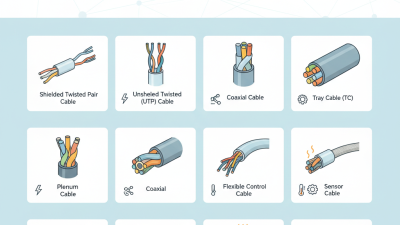
Another type to consider is fiber optic cables. They utilize light to transmit data, making them ideal for high-speed internet connections. However, their fragility can pose challenges during installation. Additionally, coaxial cables are commonly used in cable television and internet services. These cables are robust and provide good shielding from interference. Yet, their bulkiness may limit installation in tight spaces.
Twisted pair cables are a staple in networking. They reduce electromagnetic interference, enhancing signal quality. Despite their popularity, they remain susceptible to external disturbances. Lastly, the use of ribbon cables is prevalent in internal computer connections. They save space but can be tricky to manage. Each type of wire cable comes with unique benefits and drawbacks, highlighting the need for thoughtful selection based on specific application requirements.
Applications and Industries for Different Wire Cable Types
Wire cables play a crucial role across numerous industries, serving various applications. From construction to telecommunications, their versatility remains evident. For instance, in the construction sector, armored cables are commonly used for power distribution. They provide durability and protection against environmental hazards. In contrast, low-voltage cables are favored in residential electrical systems for safety and efficiency.
Telecommunication applications often utilize fiber optic cables, known for their high-speed data transfer capabilities. These cables greatly enhance internet connectivity and are essential in modern infrastructure. In the automotive industry, vehicle harness cables ensure reliable connections for electrical systems. These cables can withstand vibrations and temperature extremes, reflecting their robust design.
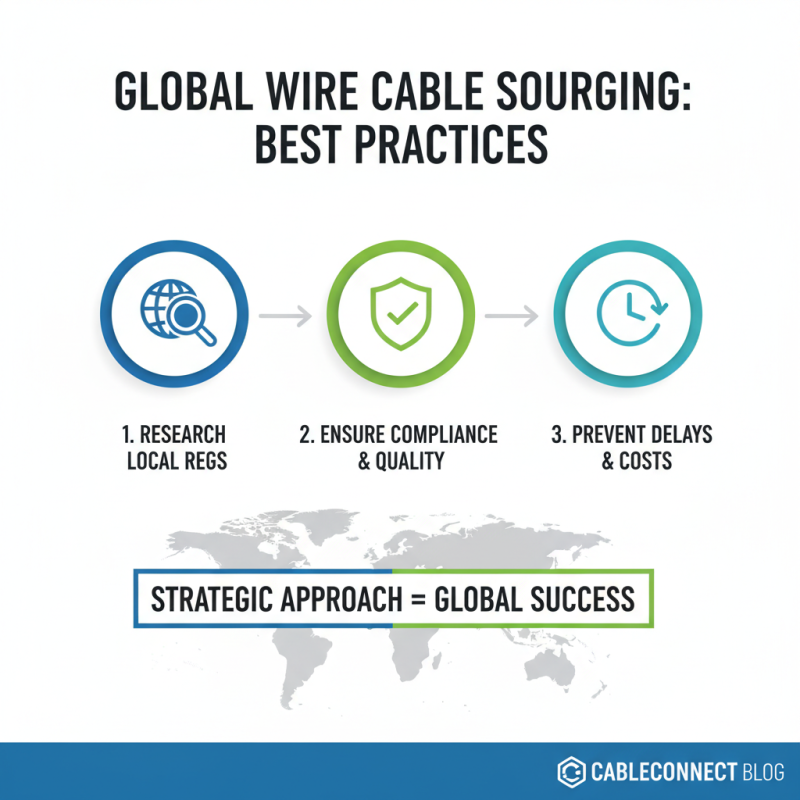
Despite their importance, not all wire cables meet industry standards. Some products may fall short in quality or durability. Also, different regions have varying specifications. This discrepancy can lead to complications in global procurement. Understanding the specific needs of each application is vital. Careful selection ensures reliability and performance, enhancing overall operational efficiency.
Top 10 Wire Cable Types for Global Procurement Needs
| Wire Cable Type |
Applications |
Industries |
| Copper Wire |
Electrical wiring, Electronics |
Construction, Electrical |
| Aluminum Wire |
Power distribution |
Utilities, Electrical |
| Multiconductor Cable |
Data transmission, Control systems |
Telecommunications, Manufacturing |
| Coaxial Cable |
Television, Internet |
Media, Telecommunications |
| Fiber Optic Cable |
High-speed data transfer |
Internet, Telecommunications |
| Twisted Pair Cable |
Data networking |
Networking, Telecommunications |
| Shielded Cable |
Electromagnetic interference protection |
Industrial, Manufacturing |
| Thermoplastic Cable |
General wiring |
Residential, Commercial |
| Voltage Drop Cable |
High voltage applications |
Utilities, Industrial |
| Control Cable |
Signal control |
Manufacturing, Automation |