Why Is Insulated Wire Used in Electrical Applications?
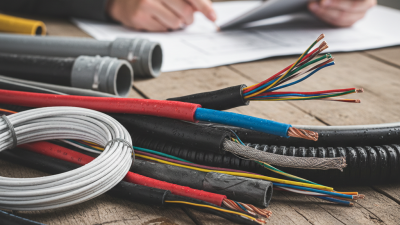
A wire carries current, but its insulation helps control where that current can go. Inside a home, a plastic-coated cable runs behind drywall, through studs, and into crowded junction boxes. That thin barrier separates energized conductors from people, metal surfaces, and other wires. It also helps limit contact with moisture, abrasion, and heat within the cable’s rated conditions.
The risk is not theoretical. NFPA’s Electrical Fires report estimates that U.S. fire departments responded to an annual average of about 24,200 home fires involving electrical failure or malfunction from 2018 through 2022. The figure does not mean insulation alone could have prevented those fires. Loose connections, damaged conductors, overloaded circuits, and aging equipment also matter. Small details matter. Insulation is not armor.
Standards help turn material choices into testable requirements. UL 83 covers thermoplastic-insulated wires and cables, while UL 44 covers thermoset-insulated products; NFPA 70 addresses electrical installation requirements in the United States. These standards and codes serve different purposes, and local rules may vary. A suitable insulated wire must match its voltage, temperature, environment, and intended use. For example, a cable near a hot fixture needs an appropriate temperature rating, not merely a thick-looking jacket. This guide explains why insulation is used, what it protects against, and where its limits remain. The practical lesson is slightly less tidy than a sales claim: correct selection and installation matter just as much as the wire itself.
What Insulated Wire Is and How It Is Constructed
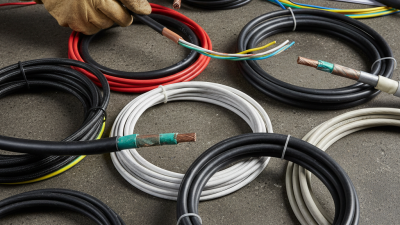
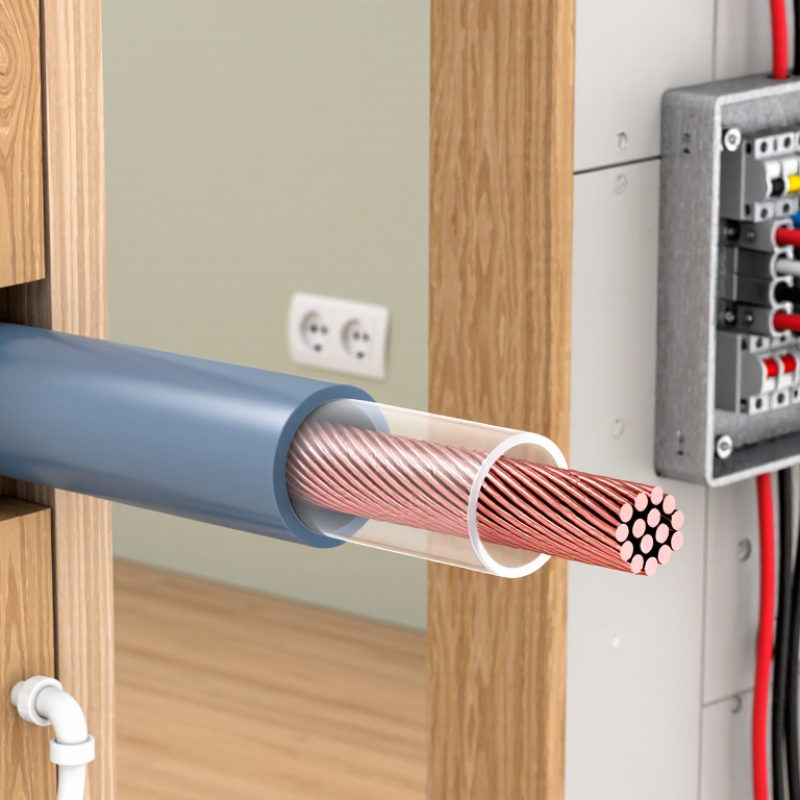
Insulated wire is a conductor wrapped in a nonconductive layer. The conductor, usually copper or aluminum, carries current; the insulation helps keep current on its intended path and reduces accidental contact. Common insulation materials include PVC, cross-linked polyethylene, and rubber compounds. Manufacturers typically apply the polymer around the conductor by extrusion, then cool and inspect it. A cable may also have an outer jacket, which adds protection against abrasion or moisture. It is not the same layer as the conductor’s insulation.
Insulation thickness and material depend on voltage, temperature, and surroundings. Standards such as UL 83 specify requirements for thermoplastic-insulated building wires. NFPA’s Home Electrical Fires report found an average of 31,647 U.S. home structure fires annually involving electrical distribution or lighting equipment during 2015–2019. That figure does not mean insulation alone prevents fires; correct wire selection and installation matter too. The jacket is not magic. It can age, crack, or suffer damage.
Tips: Check the wire’s printed ratings before use. Match its voltage and temperature ratings to the application, and inspect for cuts or brittle spots. A neat-looking outer surface can still hide damage.
How Wire Insulation Prevents Electrical Hazards
Why Is Insulated Wire Used in Electrical Applications?
Wire insulation is a protective layer between a conductor and people, nearby wires, and conductive surfaces. It helps prevent accidental contact, short circuits, and current leakage. In a home, that barrier matters where cables pass behind walls, beneath floors, or beside metal fixtures. It also helps guard conductors against moisture, heat, and everyday abrasion. That matters.
The National Fire Protection Association’s Home Electrical Fires report found an annual average of about 32,620 reported home structure fires involving electrical distribution or lighting equipment from 2015 to 2019. These fires caused an estimated 430 civilian deaths and $1.3 billion in direct property damage each year. The figures do not mean damaged insulation caused every fire. They do show why sound wiring and careful inspection deserve attention. Insulation can crack, soften, or wear thin when wires are pinched, overheated, or repeatedly bent. A small nick may be easy to miss. That is the uncomfortable part: insulation is not a guarantee of safety, and a wire that looks intact may still be damaged inside. Selecting insulation suited to the wire’s temperature and surroundings, then replacing worn cables, helps reduce avoidable hazards.
Why Is Insulated Wire Used in Electrical Applications?
Approximate AC current levels at which effects on the human body may begin
Insulation forms a barrier between energized conductors and people, helping prevent accidental contact and electric shock. Effects vary with current path, exposure time, and individual conditions; these values are approximate, not safety limits. Damaged or incorrectly rated insulation can still present a hazard.
Key Functions of Insulation in Electrical Systems
Insulation separates a wire’s conducting metal from people, nearby conductors, and grounded surfaces. Without that barrier, exposed conductors can cause shocks or accidental short circuits. Even a small nick may matter when wires are tightly packed inside a junction box. Insulation also helps limit current leakage and keeps a circuit’s electrical performance predictable. It is a simple layer, but not a trivial one.
The material provides physical protection, too. A cable routed through a wall may rub against an edge; insulation helps resist abrasion and prevents the conductor from touching other materials. Depending on its design, it can also withstand heat, moisture, oils, or sunlight. No insulation handles every condition equally well. It is easy to assume that a thicker jacket is always safer, but the wire’s voltage, temperature, and environment ratings matter more than appearance alone. That distinction deserves attention.
Tips: Check the wire’s printed rating before installation. Look for cuts, cracks, or flattened sections, especially near bends and terminals. If the insulation is damaged, do not cover the problem with tape and assume it is fixed; have the wire assessed or replaced by a qualified electrician. Use the correct cable for the location. Small details can be overlooked, and that is worth admitting.
Common Insulation Materials and Their Properties
Insulation is not just a colored skin around copper.
It controls leakage, protects against abrasion, and helps keep heat away from nearby materials. PVC is common because it is flexible, economical, and resists moisture and many chemicals. Its heat tolerance is lower than that of several alternatives.
A small detail, but an important one.
For specified power-cable designs, IEC 60502-1 gives normal maximum conductor temperatures of
70°C for PVC insulation
and
90°C for XLPE.
XLPE also handles heat and electrical stress well, though it can be stiffer during tight installation. Rubber compounds bend readily and suit cables that move or face repeated flexing; their exact heat and oil resistance depends on formulation.
Silicone remains flexible across a broad temperature range, while fluoropolymers such as PTFE offer strong heat and chemical resistance. They can cost more and may be less forgiving mechanically.
No material wins every test. A cable’s actual rating depends on insulation thickness, conductor size, ambient temperature, and installation conditions, so the material name alone is not enough. Check the cable’s technical specification, not just its jacket appearance.
How Insulated Wire Is Selected for Different Applications
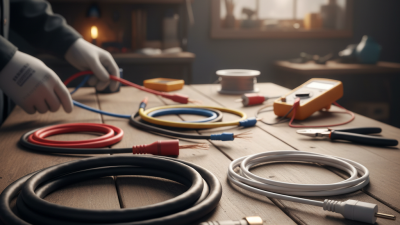
Selecting insulated wire starts with the conditions it must handle, not just the equipment it connects. Check the circuit’s voltage and expected current, then match the conductor size to the load and installation requirements. Too-small wire can overheat; oversized wire may be harder to route and terminate. Consider temperature, moisture, oils, and abrasion, too. A cable running through a warm machine enclosure needs different insulation from one exposed to damp conditions. Details matter.
Flexibility is another practical factor. A stationary wire inside a protected panel may not need the same bend tolerance as a lead that moves repeatedly. Look at the wire’s stated temperature and voltage ratings, insulation type, and applicable product specifications. I would not choose by appearance alone; a thick-looking jacket does not prove suitability. The exact installation can be easy to underestimate, so confirm requirements with a qualified electrical professional when ratings or conditions are unclear.
Tips: Measure the route, allow room for bends, and check the wire markings before installation. Keep the manufacturer’s specifications nearby. Small checks help.