What Are the Best Hook Up Wires for Your Projects?
In the realm of electronics, selecting the right hook up wire is crucial for successful project outcomes. The global market for hook up wires is projected to grow significantly, with an expected increase of 5% annually through 2025, according to a recent report by Electronics Industry Research. This growth reflects the escalating demand for reliable connections in various applications, from simple DIY projects to complex industrial systems.
Industry expert Jane Thompson emphasizes the importance of quality in her statement, "Choosing the best hook up wire can be the difference between functionality and failure." Her insights align with findings from multiple studies that indicate the performance of wiring directly affects device reliability. For example, using high-temperature-rated wires in specific environments leads to better durability and electrical performance.
However, it's essential to reflect on the continuous evolution of materials and standards within the hook up wire industry. As technology advances, so do the options available. This influx brings both opportunities and challenges. Professionals must stay informed to make the best choices for their unique needs. Balancing cost, performance, and safety is not always straightforward. Selecting the appropriate hook up wire requires careful consideration and ongoing education.
What Are Hook Up Wires and Their Applications in Electronics?
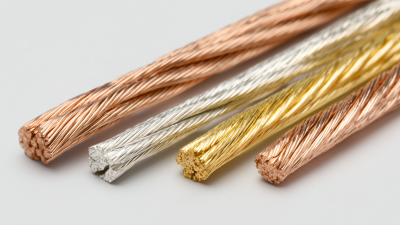
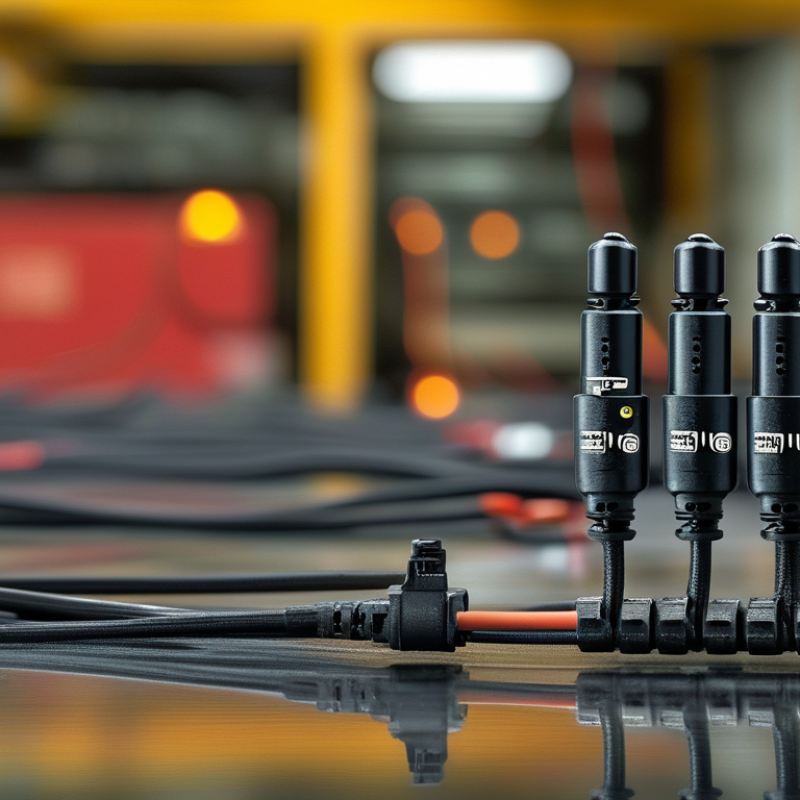
Hook up wires are essential components in many electronic projects. They are generally used to connect different parts of a circuit efficiently. Typically, these wires have a stranded copper core, which provides flexibility and durability. Stranded wires can bend easily, making them ideal for prototypes. According to industry reports, nearly 60% of engineers prefer stranded wiring for its better adaptability compared to solid wiring.
When choosing hook up wires, consider the wire gauge. Thicker wires, with lower gauge numbers, can carry more current. For instance, 22-gauge wire is commonly used in breadboards since it strikes a balance between flexibility and current capacity. Most home electronics projects can be successfully powered with 24 to 30-gauge wires, which also offer good voltage ratings. However, be cautious; using an inappropriate gauge can lead to overheating or circuit failure.
For better project outcomes, always strip the ends of the wires accurately. Improper stripping can lead to poor connections. Additionally, consider using heat-shrink tubing to insulate exposed wires. This protects your project from short circuits. Lastly, keep a variety of wire types and colors on hand. It helps in easily identifying the connections, aiding you in troubleshooting.
Key Material Types: Copper vs. Aluminum in Hook Up Wires
When selecting hook up wires for your projects, the choice between copper and aluminum is crucial. Copper wires are traditionally more popular due to their superior conductivity. According to industry reports, copper has a conductivity rating of 59.6 x 10^6 S/m. This allows for efficient transmission of electricity with minimal energy loss. On the other hand, aluminum offers a lower conductivity of approximately 37.7 x 10^6 S/m. This can lead to increased resistance and heat generation in larger gauge applications.
While copper wires are heavier and more expensive than aluminum, there are situations where aluminum's light weight can be advantageous. For example, in larger installations, using aluminum can significantly reduce the load on supporting structures. However, the trade-off lies in the potential for increased voltage drops. Depending on the project, this can affect performance. It's important to carefully assess the required specifications before making a decision.
Electrical insulation can also differ between these materials. Copper tends to provide better corrosion resistance, making it more reliable in harsh environments. Reports suggest that copper wires have a longer lifespan. Yet, in projects where weight is a critical factor, aluminum could be an acceptable compromise. Balancing conductivity, weight, and cost is essential in ensuring project success. Each scenario warrants careful consideration of both materials.
Comparison of Hook Up Wire Materials: Copper vs. Aluminum
Wire Gauge: Understanding AWG Standards for Optimal Performance
When working on various projects, understanding wire gauge is crucial. The American Wire Gauge (AWG) system defines the diameter of electrical wires. Thinner wires (higher AWG numbers) carry less current, while thicker wires (lower numbers) can handle more. Properly choosing wire gauge ensures optimal performance and safety in your applications.
Using the correct wire gauge is vital for reducing heat buildup and preventing damage. A common mistake is assuming all wires are interchangeable. For instance, using a 24 AWG wire where a 16 AWG is required can lead to overheating. Ensure you assess the current and voltage requirements of your project.
Additionally, different materials affect conductivity. Copper is a standard choice due to its excellent conductivity and flexibility. However, aluminum might also be used, especially in larger installations. It's essential to weigh the pros and cons of each material in relation to your specific needs. The right selection can enhance performance but may require critical evaluation and adjustment along the way.
Temperature Ratings: Selecting Hook Up Wires for Environmental Conditions
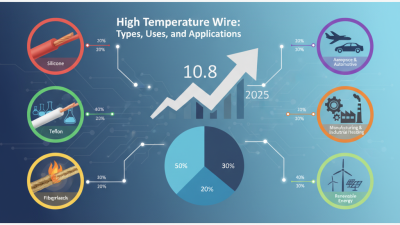
When selecting hook up wires, temperature ratings are crucial for ensuring performance and safety. Different environments can impose varying challenges on electrical connections. For instance, wires exposed to high heat may require materials that withstand elevated temperatures. According to industry reports, standard PVC insulation can handle temperatures up to 75°C, while silicone-based insulations can function effectively at temperatures as high as 200°C.
Consider the impact of environmental conditions on wire longevity. Humidity can lead to corrosion, while extreme cold may make some materials brittle. A study indicated that using appropriate insulation types can extend the life of hook up wires by 30% in harsh conditions. It's essential to assess the specific environmental challenges of your project. Ignoring these factors can lead to premature failures and unplanned downtime.
Some projects may benefit from multi-stranded copper wires, which offer flexibility in tight spaces. However, they may not be suitable for all conditions. Balancing flexibility with durability is often challenging. Therefore, choosing the right wire involves more than just insulation and temperature ratings. Each project's unique requirements must be thoughtfully considered to ensure optimal performance and reliability.
Industry Recommendations: Top Brands for Reliable Hook Up Wires
When selecting hook up wires for your projects, industry recommendations can guide your decision. Reliable hook up wires ensure safety and performance in various applications. Quality wires feature a durable construction, capable of withstanding environmental stress. Temperature ratings also matter. Using wires rated for the intended range is crucial to prevent failures.
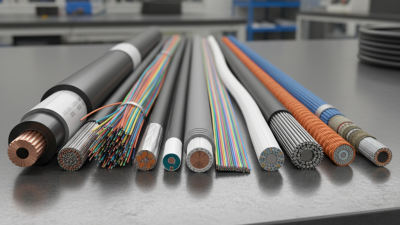
Some brands stand out due to their commitment to safety standards and innovation. They typically offer extensive product ranges, catering to different needs. Look for wires that are flexible and easy to strip. And remember, not all wires are created equal. Some may fray or break under pressure, leading to risky situations.
While exploring options, reflect on what features you need most. Consider factors like wire gauge and insulation type. It’s essential to match your specific project requirements. Occasionally, even well-reviewed wires fail to meet expectations. Researching thoroughly and reading user experiences can provide deeper insights. Carefully evaluate your choices to ensure optimal performance in your work.