What Is Insulated Wire and Which Type Should You Buy?

Choosing the right insulated wire affects safety, performance, durability, and installation cost. It is more than selecting a conductor with a thick plastic coating. The insulation must match voltage, temperature, moisture, movement, chemicals, and the space around the cable. A wire used inside a dry wall may fail quickly outdoors if rain, sunlight, or freezing temperatures reach it.

In this guide, we will explain how insulated wire is constructed and why different insulation materials behave differently. Copper usually offers excellent conductivity and flexibility, while aluminum can reduce weight and cost in suitable applications. However, conductor size, insulation rating, current capacity, and installation method must be considered together. A larger wire is not automatically the safest choice. The wrong jacket can still crack, soften, or overheat.

Look closely.

Practical experience shows that many wiring problems begin with rushed identification. Installers may read only the gauge and overlook temperature ratings or environmental markings. That mistake can create loose connections, brittle insulation, or excessive heat near terminals. Reliable selection should follow manufacturer data and applicable electrical standards, not guesswork or a convenient price tag. If the application is unclear, consult a qualified electrician before purchasing.

This article compares common insulated wire types and explains where each one performs best. It also highlights limitations that product labels sometimes make easy to miss. The ideal choice depends on the job, not simply on appearance, brand, or advertised flexibility.
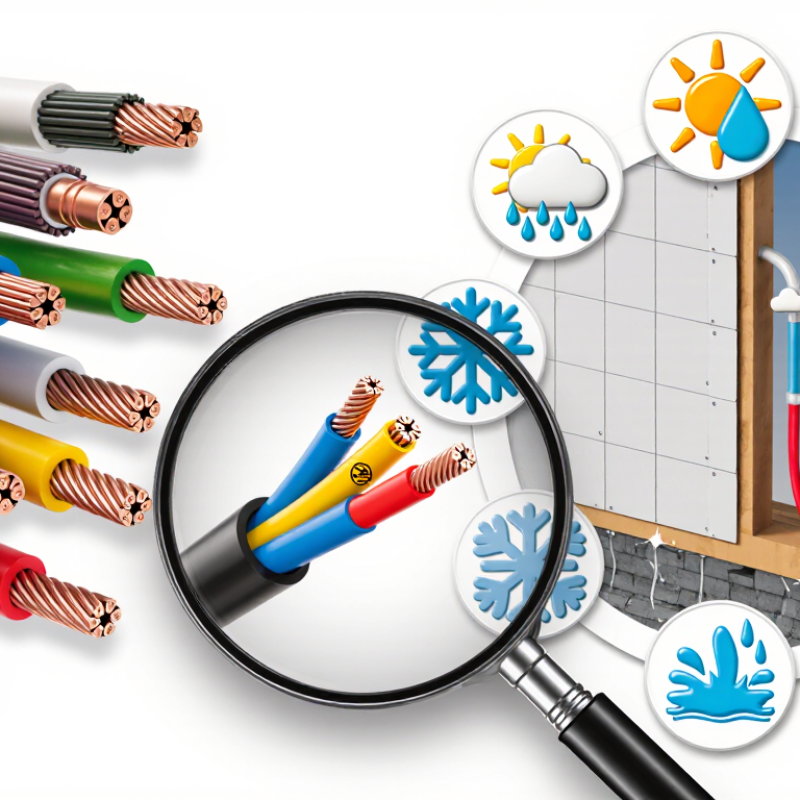
What Is Insulated Wire and Which Type Should You Buy?

What Is Insulated Wire and How Does It Work?

Insulated wire is a metal conductor surrounded by a protective, nonconductive layer. The conductor carries electrical current. The insulation keeps that current in its intended path and reduces shock, short-circuit, and heat-related risks. Copper offers high conductivity, while aluminum is lighter and often needs a larger cross-section for similar performance. The choice is not only about metal.

Think of insulation as a thermal jacket.
When current flows, the conductor produces heat. The jacket must tolerate that temperature, voltage, moisture, movement, and contact with nearby materials. Common insulation materials include PVC, cross-linked polyethylene, and rubber compounds. Each behaves differently in sunlight, tight spaces, or wet locations. IEC 60227 and IEC 60502 specify performance requirements for several insulated cable categories. They are useful references, but local installation rules still matter.

The International Energy Agency’s Electricity 2024 report expects global electricity demand to grow by about 4% annually through 2026. More electrical equipment means greater demand for correctly rated wiring. A practical selection starts with load current, voltage, conductor size, insulation temperature rating, and installation environment. Check the markings carefully. A higher ampacity is not automatically safer if terminals cannot accept the wire. I once viewed thicker insulation as better in every case. That was too simple. Oversized cable can be stiff, difficult to terminate, and wasteful. For a final decision, compare the cable’s test certification, temperature rating, and installation instructions with the actual circuit conditions.
What Materials and Layers Make Up Insulated Wire?

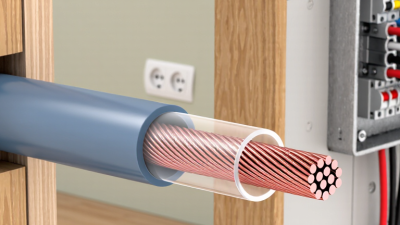
Insulated wire is not simply copper wrapped in plastic. It is a layered system designed to control heat, moisture, abrasion, and electrical leakage. The conductor is usually copper or aluminum. Copper carries current efficiently and bends easily, while aluminum weighs less and often costs less. The International Copper Study Group’s 2024 Copper Market Forecast placed global refined copper usage at roughly 26 million metric tons in 2024, showing the material’s continuing importance in electrical infrastructure.

The insulation forms the first protective layer around the conductor. PVC suits many general-purpose installations because it resists moisture and abrasion. XLPE and EPR tolerate higher operating temperatures, making them more suitable for demanding power circuits. Some cables add a semiconductive screen, metallic shield, or drain wire. These layers manage electric fields and reduce interference. The outer jacket then protects everything from sunlight, chemicals, impact, and water. Small details matter here. A jacket can fail before the insulation does.

Choosing the right type requires more than checking wire size. Consider temperature, flexibility, bending space, wet exposure, and expected current. A practical inspection should also verify the conductor class and insulation rating against IEC 60228 and the applicable installation standard. The U.S. Geological Survey’s Mineral Commodity Summaries 2024 reported that recycled copper supplied about 30% of U.S. apparent copper consumption. That supports copper’s material value, but it does not make every recycled conductor suitable for every circuit. The safest choice is rarely the cheapest one.

Which Types of Insulated Wire Are Available?

Insulated wire combines a metal conductor with a protective layer that limits shock, heat damage, and accidental contact. Copper offers excellent conductivity, while aluminum reduces weight and cost in larger installations. Available insulation types differ in heat resistance, flexibility, moisture protection, and mechanical strength.

PVC insulation is common for indoor wiring because it is affordable and easy to handle. Thermoplastic nylon-coated wire adds better abrasion and moisture resistance. Cross-linked polyethylene insulation tolerates higher temperatures and performs well in feeders, equipment, and outdoor applications. Ethylene propylene rubber remains flexible in cold conditions and resists moisture, making it useful for portable cables. Enamel-coated magnet wire has a very thin insulation layer for motors and transformers. Mineral-insulated cable withstands intense heat, but installation requires greater skill.

Small details matter. During site inspections, I check the temperature rating, voltage rating, conductor size, and insulation markings before judging suitability. A wire exposed to sunlight may need ultraviolet resistance. A cable inside wet masonry needs moisture protection, not merely thick insulation. Flexible equipment often needs fine-stranded conductors, while fixed circuits may use solid or compact-stranded designs.

My earlier assumption that thicker insulation always means safer wire was incomplete. Compatibility matters more. The cable must match the terminal, protective device, installation method, and local electrical code. Choosing only by price can create hidden heating or premature cracking. When the environment is uncertain, consulting a qualified electrician is the more reliable decision.

How Should You Choose the Right Insulated Wire?

Choosing insulated wire starts with the circuit, not the color or price. Confirm voltage, expected current, conductor material, and installation temperature. The 2023 National Electrical Code, Table 310.16, bases allowable ampacity on conductor size, insulation rating, and ambient conditions. A thicker cable is not automatically safer. Undersized wire can overheat, while oversized wire may create unnecessary cost and difficult terminations.

Check the insulation before buying. Thermoplastic insulation suits many indoor circuits, while cross-linked insulation usually tolerates higher temperatures and harsher environments. For wet areas, select wire specifically marked for moisture exposure. For moving equipment, flexible, finely stranded conductors reduce fatigue. IEC 60228 classifies conductor construction, helping buyers compare flexibility instead of guessing from appearance. Look for voltage, temperature, flame, and location markings on the jacket. Vague packaging deserves caution.

The International Energy Agency’s Electricity 2024 report projects global electricity demand to grow by an average 3.4% annually through 2026. More electrified buildings and equipment will increase the need for dependable wiring. Yet selection remains site-specific. A field mistake I often see is choosing by gauge alone. That misses heat, bundling, sunlight, chemicals, and installation length. Calculate voltage drop for long runs, then verify the result against local electrical requirements. I would also recheck the load assumptions; future equipment is often forgotten. When uncertainty remains, ask a qualified electrical professional to inspect the installation conditions before purchase.

What Is Insulated Wire and Which Type Should You Buy? — How Should You Choose the Right Insulated Wire?

Wire Type Insulation or Jacket Conductor Typical Temperature Rating Moisture Rating Common Applications Key Advantages Important Selection Considerations
THHN / THWN-2 Thermoplastic insulation with a nylon jacket Usually copper or aluminum; solid or stranded depending on size 90°C when used in dry or wet locations, where permitted Dry and wet Conduit and raceway wiring for feeders, branch circuits, control circuits, and equipment connections Widely available, relatively easy to pull, and suitable for many general-purpose installations Confirm that the marking includes the required wet-location rating; ampacity depends on conductor size, installation method, and temperature limits
XHHW-2 Cross-linked thermoset polyethylene insulation Typically copper or aluminum; commonly stranded in larger sizes 90°C in dry and wet locations, where permitted Dry and wet Commercial, industrial, and utility feeders installed in conduit, raceway, or other approved wiring methods Good thermal performance, moisture resistance, and durability in demanding installations May be less flexible than some thermoplastic wires; verify conduit fill, bending space, and termination requirements
NM-B Thermoplastic-insulated conductors enclosed in a nonmetallic jacket Usually copper, with insulated circuit conductors and a grounding conductor 90°C conductor rating for certain uses, subject to applicable code limits Dry only Residential branch circuits inside normally dry, concealed building spaces Convenient multi-conductor cable that simplifies residential installation Not intended for wet locations, direct burial, or exposed outdoor use unless specifically allowed by the governing code and installation method
UF-B Moisture-resistant thermoplastic insulation and an overall moisture-resistant jacket Usually copper, with insulated conductors and a grounding conductor 90°C conductor rating for certain uses, subject to applicable code limits Wet and direct burial Outdoor branch circuits, underground runs, and locations exposed to moisture Provides a practical cable solution where moisture and soil contact are expected Stiffer and harder to strip than many indoor cables; burial depth, physical protection, and local code requirements must be checked
SOOW Oil-resistant thermoset elastomer insulation and jacket Flexible stranded copper Commonly rated up to 90°C, depending on the construction and listing Indoor and outdoor Portable tools, temporary power, industrial equipment, generators, and flexible connections Highly flexible and resistant to moisture, abrasion, sunlight, and oil in suitable environments Designed for flexible cord applications rather than permanent building wiring; select the correct number of conductors and gauge
MTW Moisture-resistant thermoplastic insulation Stranded copper Commonly 90°C in dry locations and 60°C in wet locations, subject to the specific marking Dry and wet Machine tools, industrial control panels, internal equipment wiring, and control cabinets Flexible stranded construction supports repeated routing and tight equipment wiring spaces Check whether the wire is also listed for the intended field wiring method; machine wiring approvals do not automatically cover building wiring
Automotive Primary Wire Thermoplastic or cross-linked automotive insulation Fine-stranded copper Varies by construction; commonly designed for automotive temperature ranges Vehicle environments Low-voltage vehicle circuits, sensors, lighting, accessories, and control systems Flexible, vibration-resistant, and available in many small conductor sizes Not a substitute for building wire; choose the insulation temperature, chemical resistance, voltage rating, and current capacity for the vehicle application
Selection note: Choose insulated wire by conductor material, wire size, allowable ampacity, voltage rating, insulation temperature, moisture exposure, flexibility, installation method, and applicable electrical codes. The temperature ratings shown are typical markings; the final allowable ampacity can be limited by terminals, ambient temperature, the number of current-carrying conductors, and local regulations.

What Safety Standards Apply to Insulated Wire?

Insulated wire is not safe merely because a plastic jacket covers the conductor. Its insulation must match the working voltage, temperature, moisture, and installation environment. Safety standards define how wire is tested for heat, flame spread, abrasion, flexibility, and electrical breakdown. In many regions, IEC 60227 applies to certain PVC-insulated cables, while IEC 60245 covers several rubber-insulated types. Local electrical codes may add stricter installation rules.

Before buying, check the printed markings on the jacket. They should show conductor size, voltage rating, temperature rating, insulation type, and a recognized testing reference. In the United States, installations commonly follow NFPA 70, while product testing may reference standards such as UL 2556. Canadian projects use applicable CSA requirements. These references are not interchangeable everywhere, so confirm the rules for your location.

Look closely at the environment. A cable near an engine needs heat resistance. Outdoor wiring may require sunlight and moisture resistance. A flexible cable needs repeated-bending performance, not just a high voltage rating. Never choose by thickness alone. A thick jacket can hide an undersized conductor. I have seen this mistake in basic workshop repairs, and it can create dangerous heat at a loose terminal. Verify the wire gauge, load, and terminal compatibility with a qualified electrician. Standards help, but damaged insulation, poor stripping, and crowded connections still demand careful judgment.