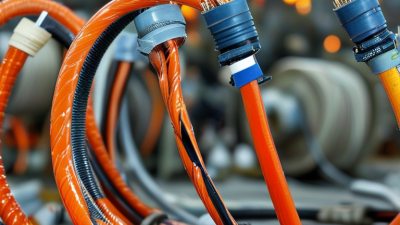
Choosing the Right Electrical Cable? The decision begins long before installation. It starts with load, environment, distance, and future demand. The wrong cable can overheat inside a crowded conduit, lose energy across a long run, or fail under moisture and movement.
The International Energy Agency’s Electricity 2024 report forecasts global electricity demand growth of about 3.3% annually through 2026. That growth increases pressure on grids, buildings, factories, and renewable-energy systems. The IEA also reports that renewables are expected to meet most new electricity demand. These systems depend on correctly sized electrical cable. The International Electrotechnical Commission’s IEC 60364 series also emphasizes protection against overheating, electric shock, and voltage drop. Standards matter. Site conditions matter more than many buyers expect.
Christopher Guerin, CEO of Nexans, has described electrification as “the backbone of the energy transition.” His view reflects a practical reality: cable selection affects safety, efficiency, maintenance, and project life. Yet a perfect checklist does not exist. I have seen specifications overlook heat trapped above ceilings, sharp tray edges, or unexpected motor-starting currents. That is where careful judgment matters. The following seven tips examine conductor material, insulation, current capacity, voltage drop, flexibility, environmental resistance, and certification. They are useful starting points, not substitutes for a qualified electrical engineer, local requirements, and the manufacturer’s installation data.
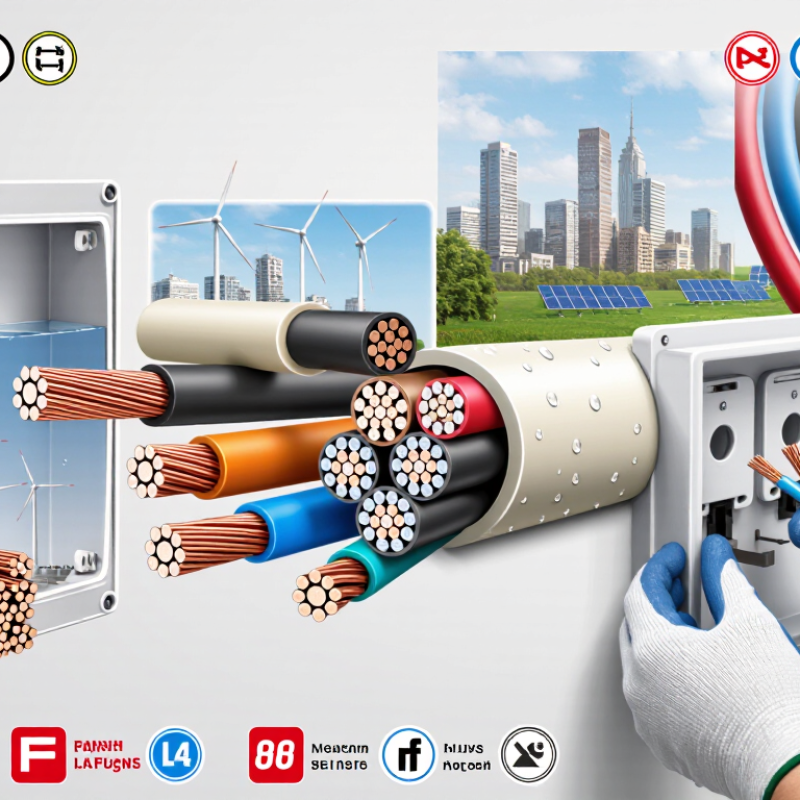
Identify the cable’s intended application before comparing prices or conductor sizes. A cable for indoor lighting is not automatically suitable for outdoor equipment, buried runs, or flexible machinery. Check voltage, current, movement, bending radius, fire performance, and expected service life. Field inspections often reveal the same mistake: a cable selected for electrical capacity but not for its surroundings.
The installation environment changes the specification. Wet locations need appropriate moisture resistance, while sunlight can damage unsuitable insulation. Underground routes may require mechanical protection, drainage planning, and resistance to soil chemicals. High-temperature areas demand insulation rated above the normal operating temperature. NFPA’s Home Structure Fires report found that electrical distribution and lighting equipment was involved in about 32,000 home fires in the United States during 2016–2020. The figure is a useful warning, not a cable-sizing formula.
Consider the whole route, not only the load. A cable passing through a hot ceiling, crowded conduit, or sharp metal entry may carry less current than expected. IEC 60364 guidance addresses correction factors for grouping, ambient temperature, and installation method. Those details are easy to overlook. I would also verify local code requirements, termination compatibility, and inspection access before ordering. A technically correct cable can still fail in practice when its glands, bends, or supports are poorly matched. The decision may feel overly cautious, but replacing a damaged cable is rarely simple.
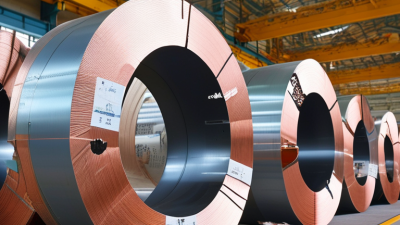
Ambient temperature affects a cable’s allowable current-carrying capacity. The correction factor is multiplied by the cable’s base ampacity before final sizing. Higher temperatures require greater derating and may call for a larger conductor or higher-temperature insulation.
Reference: IEC 60364-5-52 temperature correction factors for cables in air. Actual cable selection must also consider conductor material, cross-sectional area, grouping, installation method, voltage drop, short-circuit withstand, moisture, UV exposure, and mechanical protection.
Choosing an electrical cable starts with the system voltage. A cable rated below the circuit voltage can overheat or fail dangerously. Check the equipment nameplate, supply voltage, and local electrical requirements before selecting insulation.
Current capacity matters just as much. Calculate the expected load, then allow suitable headroom for motors, heaters, or equipment with startup surges. A cable carrying 18 amps should not be selected only because its limit is 18 amps. Continuous loads, ambient temperature, and bundled cables can reduce that rating. Small details matter.
Conductor size controls both safety and performance. Longer cable runs create voltage drop, causing dim lights, weak motors, or unreliable controls. For example, a 30-meter run may need a larger conductor than a short connection with the same load. Copper and aluminum conductors also require different sizing and termination methods. Check the installation rules carefully.
I have learned that quick estimates can be misleading. A cable may feel cool while still causing excessive voltage loss. Measure the route, identify the breaker rating, and review the cable’s insulation temperature rating. In wet, hot, or enclosed locations, use a cable approved for those conditions. A qualified electrician should verify the final selection, especially for high-current circuits.
7 Tips for Choosing the Right Electrical Cable
Tip 1: Match the insulation to the real environment. PVC suits many dry indoor installations, while XLPE often performs better under higher heat and moisture. Check chemical exposure, sunlight, oil, bending, and water contact. A cable rated 90°C is not automatically safe at 90°C. Terminals may limit the circuit to 75°C or lower.
Tip 2: Read temperature data with installation conditions. NFPA 70, 2023, Table 310.16 uses a 30°C ambient temperature and limits the number of current-carrying conductors. Its 75°C column applies only when equipment terminations support that rating. IEC 60287 calculates cable current capacity using conductor losses, ambient temperature, installation method, and soil thermal resistance. Small details change ampacity. Sometimes, the catalogue value misleads.
Tip 3: Leave a practical margin. The U.S. Department of Energy reports that motor systems can represent a significant share of commercial and industrial electricity use, so cable losses deserve attention. Higher conductor temperatures increase resistance and energy loss. Select insulation with verified thermal ageing data, not only a marketing temperature. Confirm the rating through the manufacturer’s test documentation and the applicable IEC or national standard. A site inspection can reveal heat near ceilings, trays, and crowded conduits. I would recheck every assumption.
| Tip | Selection Dimension | What to Check | Typical Data or Rating | Suitable Use or Condition | Important Selection Note |
|---|---|---|---|---|---|
| 1 | Match the insulation to the operating temperature | Confirm the cable’s continuous conductor-temperature rating and the expected ambient temperature. | PVC: typically 70°C XLPE or EPR: typically 90°C Silicone rubber: commonly 150–180°C |
General building wiring, industrial power circuits, and high-temperature equipment connections, depending on the insulation type. | The temperature rating is not the same as the surrounding-air temperature. Conductor heating, grouping, enclosure conditions, and installation method must also be considered. |
| 2 | Allow for short-circuit temperature limits | Check the maximum conductor temperature permitted during a short-circuit event. | PVC: often up to approximately 160°C XLPE/EPR: often up to approximately 250°C |
Power distribution circuits protected by fuses or circuit breakers. | Short-circuit ratings are time-limited and depend on conductor material, cross-sectional area, fault duration, and the applicable electrical standard. |
| 3 | Choose insulation for the surrounding environment | Evaluate moisture, sunlight, oils, chemicals, abrasion, and mechanical impact. | Thermoplastic PVC: good general-purpose performance XLPE: good heat and moisture resistance Thermoset rubber: high flexibility and environmental resistance |
Indoor wiring, outdoor routes, industrial areas, wet locations, and cable trays. | A temperature rating alone does not prove resistance to oil, ultraviolet radiation, water ingress, or chemical exposure. Verify the cable’s environmental approvals. |
| 4 | Verify the voltage rating | Compare the cable’s rated voltage with the system voltage and grounding arrangement. | Common low-voltage cable classes include 300/500 V, 450/750 V, and 0.6/1 kV | Residential circuits, control panels, machinery, and low-voltage distribution systems. | Select a rating equal to or higher than the system requirement. Voltage rating does not determine allowable current capacity. |
| 5 | Size the conductor for current and voltage drop | Consider continuous load current, installation method, ambient temperature, grouping, conductor material, and allowable voltage drop. | Copper has lower electrical resistance than aluminum for the same cross-sectional area | Lighting, socket circuits, motors, heaters, renewable-energy systems, and distribution feeders. | Use ampacity tables from the applicable code or standard. A larger conductor may be required when cables are bundled, enclosed, installed in hot areas, or run over long distances. |
| 6 | Select the correct flexibility and mechanical construction | Check bending radius, repeated movement, vibration, pulling tension, and protection against impact. | Solid conductors: fixed installations Stranded conductors: easier installation Fine-stranded cables: frequent movement or tight routing |
Fixed building wiring, control cabinets, machinery, robotics, and portable equipment. | Respect the manufacturer’s minimum bending radius. Repeated flexing requires a cable specifically designed for dynamic service. |
| 7 | Check fire, smoke, and installation compliance | Review flame behavior, smoke emission, halogen content, conductor identification, and local code requirements. | Flame-retardant and low-smoke, zero-halogen constructions are available for selected installations | Public buildings, escape routes, transport facilities, data rooms, and densely occupied areas. | Use cable markings and test classifications required by the project’s electrical code. Confirm that terminals, glands, conduits, and protective devices are compatible with the selected cable. |
Note: Temperature and current ratings shown are common reference values, not universal limits. Always confirm the complete cable designation, installation method, correction factors, and requirements of the applicable national or international electrical standard before installation.
Choosing the right electrical cable starts with the movement it must tolerate. A fixed cable in a wall needs different flexibility than one powering a moving machine. Stranded conductors usually bend more easily than solid conductors. Check the specified bending radius before installation. A cable that is forced around a sharp corner may develop internal damage, even when its outer jacket looks untouched. Measure the route, rather than guessing.
Durability depends on the environment. Heat, sunlight, oil, moisture, vibration, and abrasion can weaken insulation over time. For outdoor runs, select a jacket rated for ultraviolet exposure and changing temperatures. In workshops, abrasion resistance may matter more than appearance. A thicker jacket is not automatically better. It can become difficult to terminate and may trap heat if the installation is poorly designed. Current capacity, voltage rating, conductor size, and ambient temperature must match the actual load. An electrician should verify these values against applicable electrical standards and installation rules.
Protection requirements deserve equal attention. Conduit can shield a cable from impact, rodents, and accidental contact. Armored construction may be appropriate where severe mechanical damage is possible. In damp locations, use cable and connections suitable for the moisture level, with properly sealed entries. Keep connectors away from standing water. Small details matter. During inspection, look for flattened sections, loose glands, exposed copper, and tight bends near terminals. It is tempting to choose the most flexible option, but flexibility alone does not guarantee long service life. Even experienced installers can overlook heat buildup in crowded trays.
Choosing an electrical cable begins with safety, not price or appearance. Confirm the required voltage, current, conductor size, insulation type, and temperature rating. A cable that feels robust may still be unsuitable inside a hot ceiling or damp wall.
Check the standards required in your country and application. Look for a clear certification mark, traceable product information, and current test documentation. Do not rely on printed symbols alone. In practical inspections, missing documentation often reveals a rushed purchase. Verify that the cable matches local electrical codes and the equipment manufacturer’s requirements.
Installation compatibility matters just as much. Measure the cable’s bend radius before routing it through conduit, corners, or compact panels. Confirm that its diameter fits the glands, terminals, clips, and protective devices. A conductor can be electrically correct but mechanically wrong. It may not fit safely.
Pay attention to moisture, sunlight, chemicals, vibration, and possible fire exposure. Ask a qualified electrician to review the selection, especially for high-load circuits or concealed wiring. My own checklist is useful, but not infallible; site conditions can change after inspection. Keep the certification records and installation details for future maintenance.
At Radix, we do more than sell products; we provide solutions. We take the time to learn about each customer and your unique challenges, and then our knowledgeable team of problem solvers works to educate you on the possibilities to improve your products or operations.
From cutting-edge technology applications to extreme industrial environments, we’re here to collaborate, innovate, and elevate your success. Let’s connect.