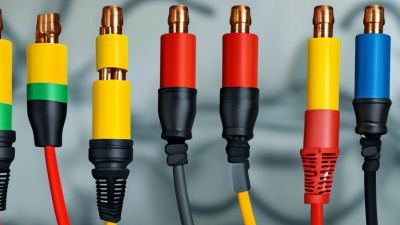
China Best Copper Cable Manufacturers and Suppliers?
Choosing China’s best copper cable manufacturers requires more than comparing factory prices. It demands evidence, testing, and supply-chain judgment.
The International Energy Agency’s Global Critical Minerals Outlook 2024 projects copper demand rising toward 36 million tonnes annually by 2040 under its Stated Policies Scenario. This growth reflects expanding grids, electric vehicles, renewable power, and data centers. The U.S. Geological Survey also reported global copper mine production near 22 million tonnes in 2023. Supply remains important. Quality remains critical.
Robert Friedland, a prominent mining executive, has called copper “the metal of electrification.” His statement explains the market’s direction, but it does not prove a supplier’s capability. Buyers should examine IEC 60228 conductor classes, GB/T compliance, ISO 9001 systems, and independent test records. Factory audits should check copper purity, conductor resistance, insulation thickness, spark testing, and drum traceability. Small details matter.
A reliable manufacturer should provide clear certificates, production samples, and realistic delivery schedules. Claims alone are weak evidence. Even recognized suppliers may differ in annealing control, insulation compounds, testing depth, and after-sales support. That difference can appear later as voltage loss, overheating, or difficult installation.
This guide compares leading Chinese copper cable manufacturers and suppliers through technical capability, certifications, export experience, product range, and buyer feedback. The ranking is not absolute. Project conditions change the answer. A power-grid contractor may need different expertise than a data-center developer or building-material distributor.
Types of Copper Cables Manufactured in China
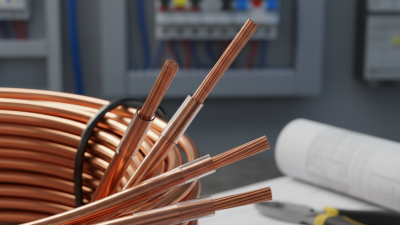
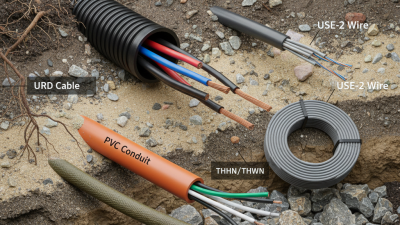
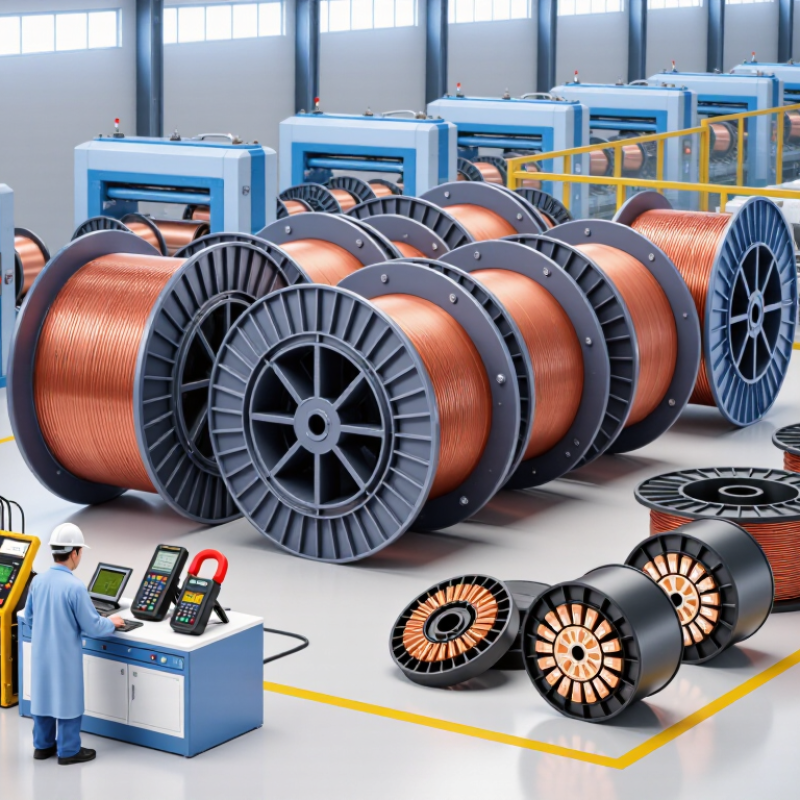
China’s copper cable industry produces many designs for power, buildings, factories, vehicles, and communication systems. Common types include bare copper wire, PVC-insulated wire, XLPE power cable, control cable, coaxial cable, and flexible copper cable. Each type serves a different electrical task.
Bare copper conductors suit grounding and busbar applications because they carry current efficiently. PVC-insulated cables are widely used in building wiring and control cabinets. XLPE cables handle higher temperatures and demanding power networks. Flexible cables use fine copper strands, making them useful for machines that move or vibrate. Coaxial cables contain a copper core, insulation, shielding, and an outer jacket. Small details matter.
Tips: Check conductor size, insulation material, voltage rating, temperature range, and test reports. Ask suppliers for samples and factory inspection records. A shiny surface does not prove copper purity. Verify it.
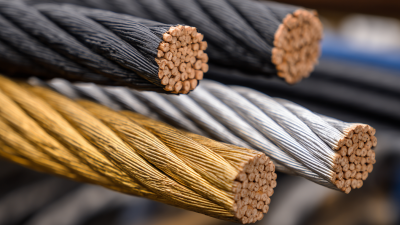
In practical sourcing, compare cable structure rather than price alone. A low-cost cable may use thinner insulation or fewer copper strands. That difference can increase heating during continuous operation. Experienced buyers also confirm drum length, printing accuracy, bending radius, and packaging protection. Standards and certificates should match the destination market. Still, paperwork can be incomplete or outdated, so independent testing is sensible. I would not rely on a catalog image when selecting cables for a critical installation. Actual cross-sections reveal more.
Key Criteria for Evaluating Chinese Cable Manufacturers
Choosing a Chinese copper cable supplier requires more than comparing prices.
Start with conductor quality. Ask for resistance, tensile strength, elongation, and purity records from recent production batches. IEC 60228 defines conductor resistance requirements, so test results should match the declared class and cross-section.
Independent testing matters.
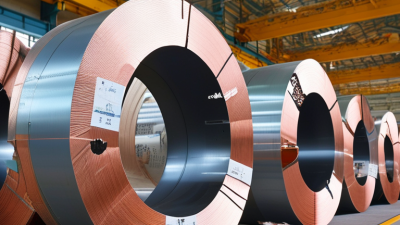
Request reports from accredited laboratories, not only internal certificates. ISO 9001 supports process control, but it does not prove cable performance. Check insulation thickness, spark-test records, temperature ratings, and batch traceability. A reliable factory should show how copper rods become finished coils, including furnace records and calibration logs. Small gaps here can become costly faults.
Capacity also needs evidence.
The International Copper Study Group reported refined copper usage of about 26 million tonnes in 2023, with demand continuing to rise across power and infrastructure projects. The International Energy Agency has also identified copper as a critical material for electrification. This pressure makes raw-material control especially important. Ask whether suppliers use long-term copper sourcing, incoming inspection, and sealed storage. Visit the plant if possible. A polished showroom proves little.
Delivery claims deserve testing.
Compare monthly output with actual machine numbers, shift patterns, and recent export records. Samples should be tested after production, not only before negotiation. I would not accept a perfect document package without physical verification. That is an uncomfortable weakness in many purchasing decisions. Price still matters, but unexplained price differences need investigation.
Leading Copper Cable Manufacturers and Suppliers in China
China’s copper cable manufacturers and suppliers serve construction, energy, transport, and industrial projects worldwide. Reliable suppliers usually offer bare copper, flexible copper, control, power, and fire-resistant cables. Their production lines should use consistent copper rods and controlled insulation materials.
A professional supplier can explain conductor purity, resistance, insulation thickness, and temperature ratings clearly. Ask for factory records, sample reports, and batch traceability before placing a large order. Practical checks include conductor diameter, surface finish, tensile strength, voltage testing, and insulation defects. Independent laboratory verification adds confidence. It also reduces costly surprises during installation.
Experienced buyers often inspect the factory or appoint a qualified auditor. They review equipment maintenance, worker training, packing methods, and delivery controls. Suppliers should match cable construction with local standards, project drawings, and environmental conditions. Coastal sites may require stronger corrosion protection. Tight cable trays may need smaller bending radii.
No supplier is perfect. That matters.
A factory may provide excellent samples but struggle with urgent production schedules. Another may offer low prices while using weaker packaging. Clear specifications prevent misunderstandings. Include conductor class, cross-sectional area, sheath material, color, length tolerance, and testing requirements in the purchase contract. Communication remains a practical test of reliability. If technical questions receive vague answers, reconsider the supplier. The best choice is not always the cheapest one; it is the supplier that documents performance, admits limitations, and supports consistent quality over repeated orders.
How to Select a Reliable Chinese Copper Cable Supplier
China Best Copper Cable Manufacturers and Suppliers?
Choosing a Reliable Chinese Copper Cable Supplier
Selecting a Chinese copper cable supplier requires more than comparing prices. Check factory experience, production equipment, and quality-control procedures. A dependable supplier should provide copper purity data, conductor resistance results, insulation test records, and product traceability. Ask for samples before placing a large order. Examine the conductor surface, insulation thickness, printing clarity, and bend performance. Small details matter.
Request documents showing compliance with the standards required in your market. Confirm whether testing is performed in-house or by an independent laboratory. Visit the factory when possible, or arrange a live video inspection. Review production capacity, lead times, packaging methods, and their response to technical questions. Clear answers usually reflect stronger engineering knowledge. A polished website proves little. That is worth remembering. Mistakes can happen, even with experienced suppliers, so require written specifications and an agreed inspection process.
Tips: Compare at least three suppliers using the same technical checklist. Verify copper weight instead of trusting a quoted description. Ask how rejected cable is handled. Check whether batch numbers connect finished products with raw-material records. Discuss payment terms and delivery schedules clearly. Keep communication in writing. If a supplier avoids samples, independent testing, or factory evidence, pause the order. The cheapest quote may become expensive after delays, inconsistent conductivity, or replacement costs. Reliability is built through evidence, not promises.