Top 10 Electrical Wire Manufacturers for Global Buyers
Electrical wire is easy to overlook until a project depends on it. Then conductor quality, insulation performance, traceability, and delivery schedules matter. A polished catalogue is not proof of dependable production. Buyers need evidence.
The International Energy Agency’s Electricity Grids and Secure Energy Transitions report says annual grid investment must rise from about $300 billion to more than $600 billion by 2030. It also estimates that 80 million kilometres of grids must be added or replaced by 2040. These figures describe grid infrastructure, not wire demand alone. Still, they show why dependable wire and cable supply is gaining importance. The stakes are tangible.
Thomas Edison, the American inventor and electrical engineer, is often quoted as saying, “We will make electricity so cheap that only the rich will burn candles.” His remark reflects an enduring ambition: making electric power broadly useful. For today’s global buyers, that ambition depends partly on less visible decisions, including which manufacturer can meet technical specifications consistently. This guide compares ten electrical wire manufacturers through practical considerations such as product range, manufacturing capability, certifications, and export experience. Verify claims against current documentation; supplier details can change. A ranking cannot replace qualification testing or project-specific review. That distinction is easy to miss.
What Electrical Wire Manufacturers Produce and How the Industry Is Organized
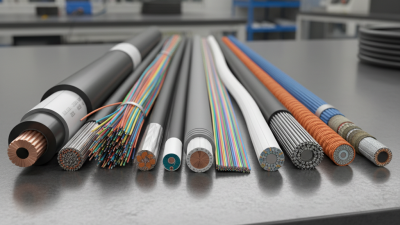
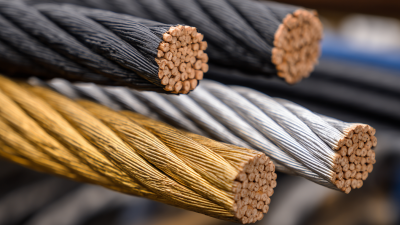
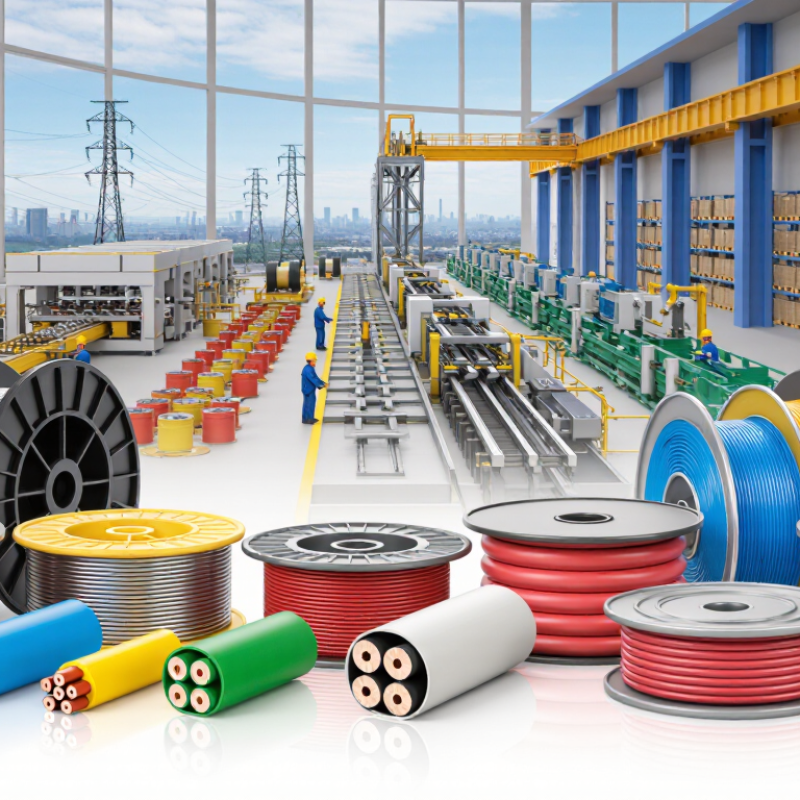
Electrical wire manufacturers convert copper or aluminum conductors into products suited to specific electrical loads and environments. Typical stages include drawing metal into fine strands, twisting conductors, applying insulation, and adding protective jackets or shields. Finished products include building wire, power cables, control cables, and data cables. Their construction differs: a cable placed in a damp underground duct needs different protection from one routed through a dry indoor wall.
The industry is organized around material suppliers, wire and cable producers, independent testing laboratories, distributors, and project contractors. Manufacturers may specialize in high-volume building wire or engineer cables for utilities, factories, and renewable-energy systems. Specifications, temperature ratings, conductor size, and test documentation matter as much as price. The International Energy Agency’s World Energy Investment 2024 report estimates annual grid investment at about US$400 billion, with more than US$600 billion needed yearly by 2030. That points to sustained demand for grid components, though demand alone does not guarantee timely supply. Product categories also vary between markets, which can make comparisons less straightforward than catalogs suggest.
Tips: Compare the exact conductor material, cross-section, insulation rating, and test records. Ask how the cable will be installed. A small detail can change the right choice.
How Global Buyers Evaluate Electrical Wire Manufacturers
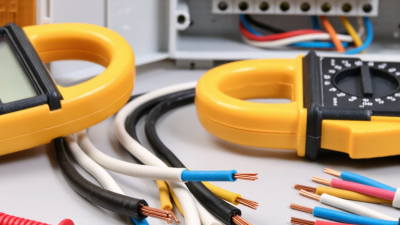
Global buyers evaluate electrical wire manufacturers by checking whether specifications match the conditions of use. Conductor material, insulation type, voltage rating, and temperature range should be clearly stated. Ask for current test reports and traceability records, not just a product brochure. Ask for evidence.
Production consistency matters as much as a good sample. Buyers can compare sample dimensions, conductor resistance, insulation thickness, and packaging against purchase requirements. Factory audits may reveal how materials are identified and how nonconforming batches are handled. Details matter. Still, a checklist cannot catch everything; a neat document may not reflect a rushed production shift.
Reliable delivery also depends on communication. Confirm production capacity, lead times, packaging options, and how changes to an order are recorded. Clear answers to technical questions are useful, especially when requirements differ across markets. Price deserves careful review, but unusually low quotes may leave testing, documentation, or service unclear. Request written clarification before comparing offers. Video calls can help, yet they are no substitute for independent verification when the order is critical. Buyers should keep records of decisions and revisit supplier performance after delivery; even a well-qualified manufacturer can make mistakes.
Standards and Certifications That Shape International Wire Trade
For global buyers, electrical wire compliance is not a single certificate. Requirements depend on the destination market, product type, voltage rating, and installation conditions. IEC standards can define conductor construction and cable performance, while national rules may require separate testing or approval. Check the exact standard and edition named in the purchase specification. Details matter.
A supplier’s documents should match the wire being shipped, not merely a similar product family. Compare conductor size, insulation material, temperature rating, and voltage marking across the datasheet, test report, and package label. Ask for traceable batch records and reports from a qualified testing laboratory. A tidy certificate file is useful, but it does not replace product-level verification. Paperwork can be incomplete.
Marking rules also differ. CE marking may apply to products covered by relevant European requirements, while other markets use their own conformity schemes. Environmental declarations, such as RoHS-related documentation, may also be requested, but they do not prove electrical safety. Importers should confirm current local requirements with competent authorities or a compliance specialist before shipment. I have seen specifications that name a standard but omit its year; that small gap can create costly delays. Clear records help customs review and reduce disputes when wire reaches the job site.
IEC Power Cable Standards: Upper Rated-Voltage Boundaries
The chart compares the upper rated voltage (U₀, conductor-to-earth) covered by each standard: IEC 60502-1 covers cable ratings up to 3 kV; IEC 60502-2 covers ratings up to 30 kV; IEC 60840 covers ratings up to 150 kV; and IEC 62067 covers ratings up to 500 kV. These are standard scopes, not certifications; applicable requirements and conformity assessment depend on the destination market and product.
Profiles of 10 Electrical Wire Manufacturers Serving Global Markets
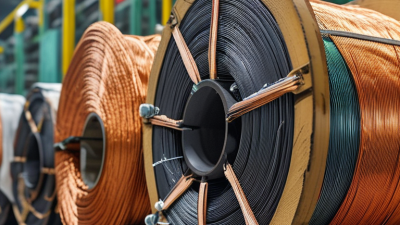
The ten profiles cover manufacturers with distinct strengths, rather than one universal definition of quality. One specializes in building wire for residential and commercial projects, where consistent insulation and clear markings matter. Another produces flexible cords for equipment that moves or vibrates. A utility-focused manufacturer serves overhead and underground networks, often supplying conductors in large reels. A renewable-energy supplier designs cable for outdoor exposure and changing temperatures. Details matter.
The remaining profiles include an industrial cable producer for demanding factory environments and a marine specialist whose products must withstand moisture and vibration. An automotive manufacturer focuses on compact wiring assemblies and dependable connections. An instrumentation supplier makes smaller cables for transmitting control signals. A high-temperature specialist serves equipment near heat sources, while a custom producer handles unusual dimensions or shorter production runs. Not every capability suits every project.
For a practical comparison, buyers can review conductor material, insulation type, temperature range, test documentation, and production capacity. Ask how specifications are checked between batches, not just during initial approval. A polished catalogue helps, but it cannot confirm performance in a buyer’s exact installation. No profile is perfect; some suppliers offer broad product ranges but limited flexibility, while others customize well yet require longer lead times. Verify product details against project conditions before choosing.
How to Compare Suppliers for Quality, Cost, and Delivery
Comparing electrical wire suppliers means checking more than a quoted price. The International Energy Agency’s Electricity Grids and Secure Energy Transitions report (2023) estimates that 80 million kilometres of grids must be added or replaced by 2040. That scale puts pressure on cable capacity and delivery schedules. Ask each supplier for conductor-resistance results, insulation dimensions, batch traceability, and test records for the exact product offered. Compare samples against the stated specification, not just a catalogue image. Small differences matter. A slightly undersized conductor can affect performance and operating costs.
Build a landed-cost comparison that includes freight, packaging, inspection, duties, and the cost of delayed shipments. The World Bank’s Logistics Performance Index 2023 compares logistics across 139 economies, highlighting that shipment efficiency varies by location. Request production lead times, available stock, shipping routes, and a written plan for late orders. Check whether delivery promises apply to the full order or only the first batch. Then verify references from buyers with similar project volumes. One weakness remains: supplier data can look complete while covering only selected batches. Independent pre-shipment inspection adds confidence, though it also adds time and cost.