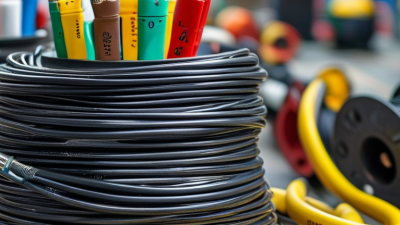
What Are the Top Insulated Wire Types in 2026?
Choosing the right insulated wire in 2026 starts with the conditions it must survive. A cable in a warm control cabinet faces different demands from one routed outdoors or beside moving machinery. Voltage, temperature, flexibility, moisture, chemicals, and abrasion all matter. Small details count. A tight bend can stress insulation. A hot enclosure can age it faster.
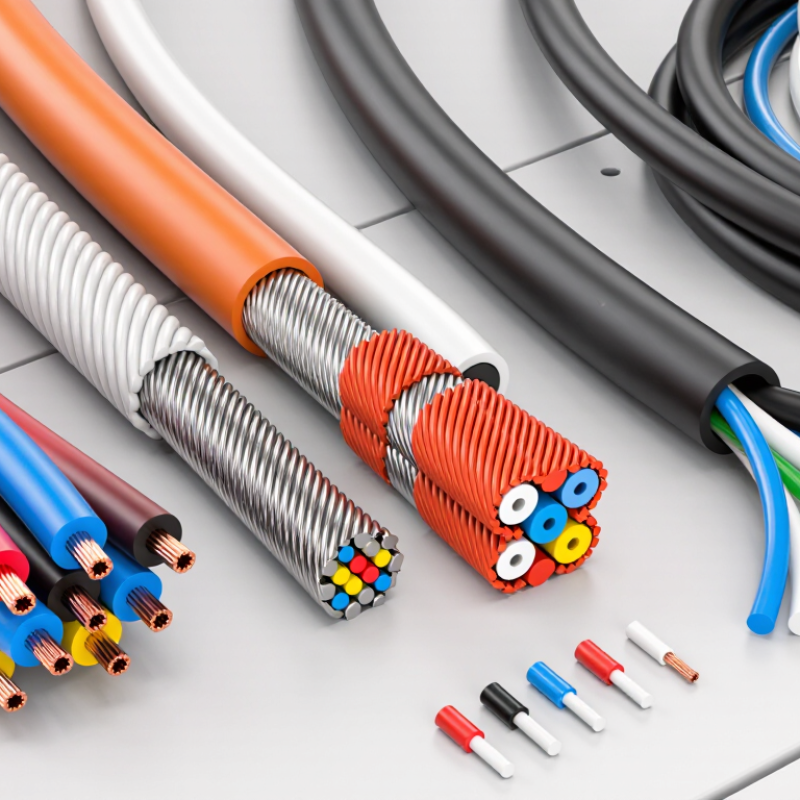
Common choices include PVC for general-purpose wiring, cross-linked polyethylene (XLPE) for heat and electrical performance, and rubber-based insulation where flexibility is important. PTFE and other fluoropolymers suit demanding thermal or chemical environments, though they may cost more. No single type wins everywhere. Copper or aluminum conductor, wire gauge, installation method, and product ratings also affect suitability. Check the manufacturer’s technical data for the specific application.
Cable engineer William A. Thue, author of Electrical Power Cable Engineering, offers a useful design perspective. A paraphrase—not a verbatim quotation—of the book’s engineering approach is: “Select cable insulation for actual service conditions, not for one attractive specification.” That distinction is easy to miss. This overview compares leading insulated wire types by performance, practical trade-offs, and typical uses. It also flags where a material’s strengths can become limitations, so readers can make a better-informed shortlist before consulting a qualified electrical professional.
Reading Ampacity Ratings: NEC Table 310.16 Lists 60°C, 75°C, and 90°C
What Are the Top Insulated Wire Types in 2026?
NEC Table 310.16 lists allowable ampacities for insulated conductors under stated conditions. Its 60°C, 75°C, and 90°C columns refer to conductor temperature ratings, not three interchangeable choices. The correct value depends on conductor size, material, insulation rating, and installation conditions. Small details matter.
A 90°C-rated wire may appear to support a higher ampacity in the table. That does not automatically mean the circuit can use that number. Equipment terminals often have lower temperature limits, which can restrict the usable ampacity. Check the terminals. For example, a conductor with 90°C insulation connected to 75°C-rated terminals may need to be evaluated using the 75°C limits, subject to applicable code rules and exceptions.
Ambient temperature and the number of current-carrying conductors can also require ampacity adjustments. These factors matter in warm ceilings, crowded conduit, or other demanding installations. The table is useful, but easy to misuse. Confirm the applicable NEC edition, terminal markings, and installation details before choosing wire. When conditions are unclear, have a qualified electrician verify the calculation. I still find it tempting to focus on insulation alone; that shortcut can miss the real constraint.
THHN/THWN-2: 600 V, 90°C Dry/Wet Ratings Under UL 83
THHN/THWN-2 is a common building wire choice because its dual marking covers two installation conditions. Under UL 83, the 600-volt construction is rated 90°C in dry and wet locations when marked THWN-2. THHN alone carries a 90°C dry-location rating; the “-2” matters. Check the insulation legend printed along the wire, not just the product description.
That distinction has practical value. A damp conduit can become a wet location, even when installed indoors. Still, 90°C is not a promise that every circuit can run at that temperature. NFPA 70’s ampacity rules require installers to consider terminal ratings, conductor size, ambient heat, and the number of current-carrying conductors.
Small details change the result. For example, crowded conduit raises heat, so adjustment factors may reduce allowable ampacity. One easy mistake is sizing from the insulation rating alone. It happens. UL 83 establishes construction and marking requirements; the National Electrical Code governs how conductors are applied. Verify the exact marking and applicable code edition before specifying the wire.
XHHW-2: 600 V, 90°C Wet/Dry Rating Under UL 44
XHHW-2 is a versatile insulated wire option for many 600 V power circuits.
Under UL 44, its insulation is rated for conductors operating at 90°C in both wet and dry locations. That wet-location rating matters in conduit, where moisture can collect even when the surrounding room looks dry. XHHW-2 commonly uses cross-linked polyethylene insulation, which combines heat resistance with moisture resistance.
A useful margin.
Still, the temperature marking does not mean every installation can use the highest ampacity shown in a table.
NFPA 70 (2023), Table 310.16, lists 40 A for 10 AWG copper in the 90°C column. That figure is not automatically the permitted circuit rating: conductor-size limits, terminal temperature ratings, and correction or adjustment factors can reduce allowable current. In practice, check the equipment terminals and installation conditions before selecting wire.
This is an easy detail to miss, especially when a project schedule is tight.
UL 44 establishes the wire’s construction and rating; NFPA 70 provides the installation rules. Together, those references make the 600 V, 90°C wet/dry specification useful—but not a substitute for checking the complete circuit design.
PV Wire: UL 4703 Solar Cable with a 90°C Wet Rating
PV wire is built for the exposed DC runs linking modules, combiner boxes, and inverters. Under UL 4703, PV wire commonly carries a 90°C wet rating, meaning its conductor is rated for operation up to that temperature in wet locations. It does not mean the cable can be submerged indefinitely. SolarPower Europe’s Global Market Outlook 2024–2028 reports that global solar installations reached about 447 GW in 2023. More installations mean more cable exposed to sunlight, rain, and rooftop heat.
On site, look for the UL 4703 marking, conductor size, voltage rating, and temperature rating on the cable jacket. Check that the connectors and installation method are compatible with the wire. A 90°C rating is not permission to ignore bundling, conduit fill, or local ambient heat. NREL’s Best Practices for Operation and Maintenance of Photovoltaic and Energy Storage Systems highlights the importance of inspecting electrical connections and cable condition during system operation. Small details matter. A tight bend near a connector can stress the insulation over time.
UV resistance and moisture resistance are essential, but ratings do not prevent poor installation. The cable still needs suitable support, strain relief, and protection from sharp roof edges. Even experienced crews can miss a cable resting against hot roofing. That is worth rechecking. I would also verify the project design documents rather than assuming every PV wire has the same voltage rating or construction.
What Are the Top Insulated Wire Types in 2026?
Wet-location conductor temperature ratings for selected wire types
UL 4703 PV Wire is commonly marked for 90°C wet and dry operation. Ratings shown are typical; check the cable markings, applicable codes, and equipment terminal ratings for each installation.
SOOW Cord: 600 V, 90°C Rating Under UL 62
What Are the Top Insulated Wire Types in 2026?
SOOW Cord: 600 V, 90°C Rating Under UL 62
SOOW cord is a flexible-duty option for equipment that needs a rugged, movable connection. Its 600 V rating suits many industrial and workshop applications, while the 90°C temperature rating refers to the conductor’s permitted operating temperature under specified conditions. It does not mean the cord is suitable for a 90°C room. That distinction matters. The SOOW designation generally indicates oil-resistant insulation and jacket, plus water- and weather-resistant construction. Still, confirm the product markings and documentation; ratings can depend on the specific cord construction and use conditions. A warm motor room, a wet washdown area, and an outdoor jobsite do not create identical demands.
Tips: Check voltage, temperature, and environmental ratings on the cord itself. Match the cord size to the equipment load and installation conditions. Keep it away from sharp edges and heat sources, and inspect for cuts, crushed spots, or loose terminations. A rating is useful, but it cannot correct poor handling. If the cord will be used continuously or in a demanding setup, have a qualified professional verify the selection.