What Are the Top Types of Wire Cable?

Wire cable is easy to overlook until a motor stalls, a signal drops, or a cable must bend repeatedly inside a tight machine. Yet choosing the right type affects safety, performance, installation time, and long-term maintenance. The category spans building wire, power cable, control cable, instrumentation cable, communication cable, and flexible cord. Each serves a different job. Copper conductors carry current well; insulation and shielding help manage heat, moisture, and electrical interference.

The market is substantial. Grand View Research estimated the global wire and cable market at USD 202.4 billion in 2023 and projected continued growth through 2030. That broad figure covers many applications, so it should not be mistaken for a measure of any single cable type. Standards, operating conditions, and manufacturer specifications matter more when selecting a product. A cable routed through a warm factory tray faces different demands from one buried underground or flexed beside a moving robot.

This guide compares the top types of wire cable by construction, common uses, and practical selection factors. It also examines details buyers can miss, such as conductor material, insulation rating, shielding, and bend radius. Small details count. A limitation deserves attention: no single cable type is “best” across every installation. Because no source articles or verifiable expert quotation were provided, this introduction does not invent a named expert or attribute an unverified quote.
What Are the Top Types of Wire Cable?

What Are Wire Cables and How Are They Classified?

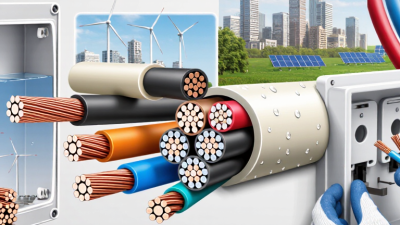
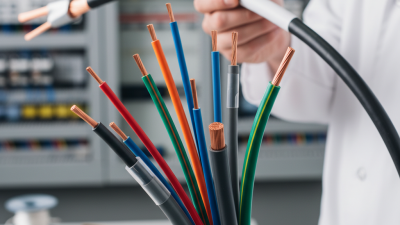
Wire cables are assemblies of one or more metal conductors, usually copper or aluminum, surrounded by insulation and sometimes protective layers. The conductor carries current; the insulation helps prevent contact, leakage, and short circuits. Some cables also include shielding against electrical interference or an outer jacket that resists moisture and abrasion. The details matter. A cable beneath a workshop floor faces different stresses from a flexible cord beside a desk.

Classification depends on several features. By conductor construction, cables may use solid wire, stranded wire, or finer flexible strands. IEC 60228 defines conductor classes, including solid conductors and flexible conductors, helping engineers compare electrical resistance and construction. Cables are also grouped by insulation material, voltage rating, and intended setting, such as building wiring, industrial equipment, or outdoor installation. The categories overlap, which can make a simple label misleading.

Market figures offer context, not a selection rule. Grand View Research estimated the global wire and cable market at about US$202.7 billion in 2023, reflecting demand across power, construction, and communications. That scale does not mean every cable suits every job. Check conductor size, rated voltage, temperature range, and environmental protection against the equipment and installation conditions. A small mismatch can become a costly one.

What Are the Top Types of Wire Cable? — What Are Wire Cables and How Are They Classified?
Cable type Typical construction Common classification Typical applications Key considerations
Building wire One or more copper or aluminum conductors with insulation; some types include an outer sheath. By conductor material, insulation, voltage rating, and installation environment. Fixed wiring in residential, commercial, and industrial buildings. Select according to local electrical codes, circuit requirements, and whether the wiring is exposed, enclosed, or buried.
Power cable Insulated conductors, often with protective bedding, shielding, or an armored outer layer. By voltage class, conductor count, insulation system, and protection method. Distribution of electrical power in buildings, plants, and utility networks. Current capacity depends on conductor size, installation conditions, ambient temperature, and applicable standards.
Control cable Multiple insulated cores, commonly gathered under a shared sheath; shielding may be included. By number of cores, shielding, flexibility, and rated operating conditions. Control circuits, instrumentation connections, and industrial automation systems. Shielding and cable routing can help reduce interference in electrically noisy environments.
Communication cable Twisted copper pairs, coaxial conductors, or other signal-carrying conductors within an insulating structure. By signal type, conductor arrangement, shielding, and transmission characteristics. Telephone, data, audiovisual, and other low-voltage signal connections. Performance is affected by cable category or specification, length, interference, and installation quality.
Coaxial cable A central conductor separated from a surrounding conductive shield by dielectric insulation, with an outer jacket. By impedance, shielding design, frequency range, and jacket type. Radio-frequency signals, television distribution, antennas, and video systems. Connectors and cable impedance should match the equipment and signal system.
Flexible cord Fine-stranded insulated conductors enclosed in a flexible protective jacket. By conductor count, flexibility, insulation, and suitability for the intended use. Portable equipment, appliances, and connections that require movement. Use only where permitted; avoid damage from abrasion, heat, crushing, or unsuitable outdoor exposure.
Armored cable Insulated conductors protected by a metallic armor layer and, in many designs, an outer jacket. By armor material and construction, conductor arrangement, and approved installation conditions. Installations where added mechanical protection is required. Armor does not make every cable suitable for every location; verify code approval and environmental rating.
Overhead conductor Bare or insulated conductor designed for overhead electrical service; some designs use stranded construction for strength. By conductor material, mechanical strength, insulation, and service voltage. Overhead power distribution and utility connections. Design and installation require appropriate clearances, structural support, and utility safety practices.

What Are the Main Types of Wire Cable?

What Are the Main Types of Wire Cable?

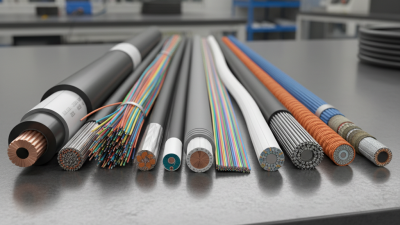
Wire cable types are usually grouped by their construction, insulation, and intended use. Solid wire contains one continuous metal conductor. It is stiff and works well in fixed installations, but repeated bending can damage it. Stranded wire uses many thin conductors twisted together. It bends more easily, making it useful for appliances, vehicles, and equipment that moves. Coaxial cable has a central conductor, insulation, and a shielding layer. That structure helps carry radio-frequency signals while limiting interference. Twisted-pair cable combines two insulated conductors twisted around each other, often for data and communication systems. Each design has trade-offs. There is no single best choice.

Cables also differ in insulation and protective layers. Common options include thermoplastic insulation for general indoor wiring and tougher jackets for damp, hot, or abrasive settings. Armored cable adds mechanical protection, while shielded cable helps reduce electrical interference. These features are not interchangeable. A shield does not automatically make a cable suitable for outdoor use, and a thick jacket does not guarantee flexibility. I would check the cable markings and product specifications before selecting one; it is easy to overlook temperature or installation limits.

Tips:

Match the cable to its load, environment, and movement. Check conductor size, voltage rating, insulation, and bend radius. For example, a cable routed around a tight cabinet corner needs enough flexibility and clearance. If the application is unclear, pause and consult a qualified electrician. One detail can change the choice.

How Do Wire Cable Materials and Constructions Differ?

Wire cable performance depends on both material and construction. Copper offers high conductivity and easy termination, making it common in control panels and building circuits. Aluminum is lighter and usually costs less, but it needs larger cross-sections and careful connector preparation. Steel wire cable serves a different purpose. It provides tensile strength for lifting, suspension, and mechanical support, not efficient electrical conduction.

Construction changes behavior significantly. Solid conductors resist movement and suit fixed installations. Stranded conductors contain many smaller wires, so they survive repeated bending better. Fine-stranded cable feels flexible in the hand, but its terminals require compatible clamps. Braided shields reduce electromagnetic interference around sensitive signals. Coaxial designs separate the central conductor from the shield with insulation, controlling signal geometry. It bends easily. However, repeated sharp bends can damage even flexible cable.

Industry data supports the need for careful selection. The International Energy Agency’s Electricity 2024 report expects global electricity demand to grow by about 3.2% annually from 2024 through 2026. That growth increases pressure on distribution and control infrastructure. The U.S. Geological Survey reported approximately 22 million metric tons of global copper mine production in 2023, showing copper remains a major engineering resource. Yet availability is not the only concern. A lighter aluminum cable may reduce installation weight, while a copper conductor can simplify compact terminations. Engineers should compare current rating, temperature, flex cycles, insulation, and installation conditions. A practical weakness in many specifications is overemphasizing conductivity. Mechanical stress often decides service life.

Where Are Different Wire Cable Types Commonly Used?

Where Are Different Wire Cable Types Commonly Used?

Wire and cable choices depend on the setting, load, and exposure. In homes, nonmetallic-sheathed cable is commonly used inside dry walls and ceilings. Its jacket protects insulated conductors from routine contact during installation. For damp areas or direct-burial runs, underground feeder cable is designed for tougher exposure. It still needs the correct depth and installation method for the site. In commercial buildings, individual building wires often run through conduit, where the raceway adds mechanical protection. A neat diagram helps, but real walls are rarely so cooperative.

Communication cables serve different paths. Twisted-pair cable commonly connects computers, routers, and office network outlets. Coaxial cable carries television or broadband signals, especially where existing coax runs are available. Flexible cord powers portable tools and appliances, while armored cable is often chosen where added physical protection is useful. These are common applications, not automatic approvals; cable ratings and local installation requirements matter. A cable suitable indoors may fail when exposed to water, heat, sunlight, or abrasion.

Tips: Check the cable’s printed markings before installation. Match its voltage, temperature, and moisture ratings to the actual location. Keep signal cables separated from power wiring where practical, and avoid sharp bends that can damage conductors. If the route or load is uncertain, ask a qualified electrician to verify the plan. Small assumptions can become expensive repairs.

What Factors Help Determine the Right Wire Cable?

Choosing the right wire cable starts with the load, distance, and installation conditions. Estimate the maximum current, then check conductor size against an ampacity table. NFPA 70 (2023), Table 310.16, lists allowable ampacities under specific conditions, including ambient temperature and the number of current-carrying conductors. A cable in a warm attic or crowded conduit may need a different rating. Details matter.

Distance matters, too. Long runs can cause voltage drop, so a cable that handles the current may still deliver poor performance at the equipment. Conductor material is another trade-off: Copper Development Association conductivity data rate annealed copper at 100% IACS, compared with about 61% for electrical-grade aluminum. That difference affects resistance and sizing. Then match insulation to heat, moisture, chemicals, sunlight, and movement; a fixed indoor run and a flexing machine connection need different constructions. Check the cable’s temperature and environmental ratings, not just its gauge. A neat-looking chart cannot capture every job. I would verify the final choice against the actual route and load, because site conditions are easy to underestimate.

What Are the Top Types of Wire Cable?

Typical voltage ratings for common North American cable and conductor types

These common types are typically rated 600 V, but their construction and approved uses differ. Choose cable based on the required conductor size and load, installation environment (such as wet, dry, indoor, or outdoor locations), temperature rating, flexibility, and applicable electrical codes. Always verify the product markings and local requirements.