Why Is Electrical Wire Important for Global Buyers?
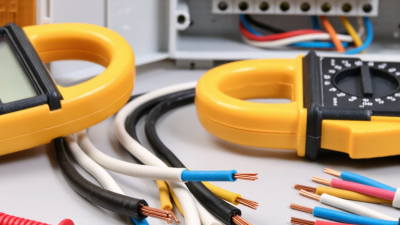
Electrical wire is easy to overlook until a project depends on it. A copper conductor runs behind a factory wall, through a control cabinet, or beneath a building floor. Its size, insulation, and construction affect how safely and reliably electricity reaches equipment. For global buyers, choosing wire is not a minor purchasing detail. It can shape installation time, operating performance, maintenance needs, and the consistency of supply.
“Specify the wire for the real load, environment, and installation—not just the price.” This practical principle is offered here as editorial guidance, not as a quotation attributed to a named expert. A responsible buying decision starts with clear technical requirements. Buyers should compare conductor material, cross-sectional area, insulation type, temperature rating, and intended use. A cable destined for a hot industrial enclosure may need different properties from one used in a dry indoor lighting circuit. Details matter.
Global sourcing adds more questions. Product descriptions may use different units, labeling conventions, or test references. Ask suppliers for current technical datasheets, traceable product information, and samples when appropriate. Confirm that the offered wire matches the project specification before ordering. A low unit price can look attractive on a spreadsheet, but unclear specifications can create delays and rework. Even careful teams miss things sometimes. That is worth reviewing.
This article explains why electrical wire matters to global buyers, which technical features deserve attention, and how to evaluate suppliers with greater confidence. It also considers a practical limitation: no single wire suits every application. Clear requirements make comparison fairer—and help buyers make decisions they can explain, verify, and maintain.
What Is Electrical Wire and How Does It Work?
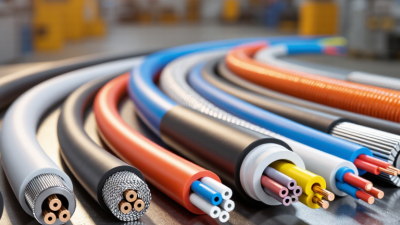
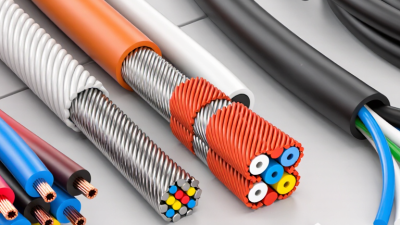
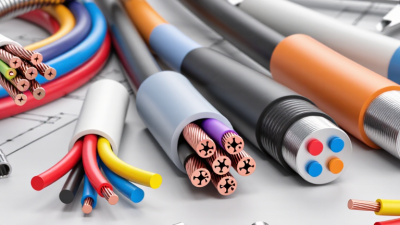
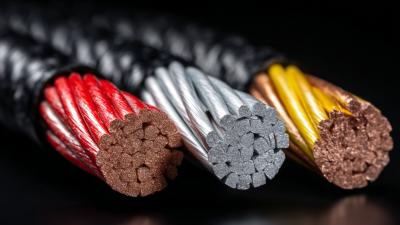
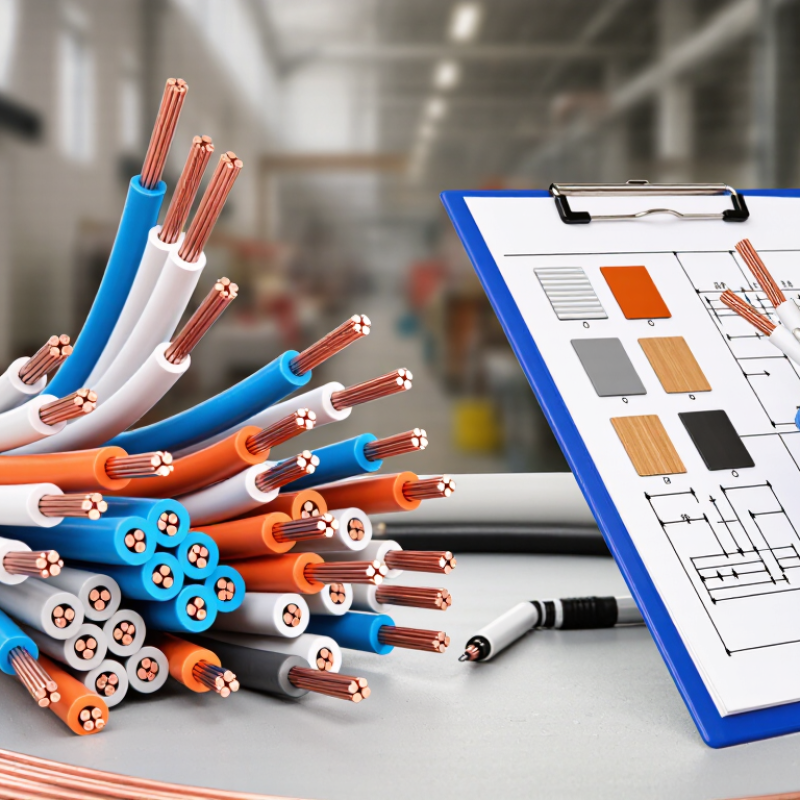
Electrical wire is a controlled path for moving electrical energy. It usually contains a conductive metal core, such as copper or aluminum, covered by insulation. The core carries current. The insulation limits leakage, contact, and heat damage. It looks simple.
When voltage pushes electrons through the conductor, resistance creates heat. A larger cross-sectional area usually lowers resistance and supports higher current. Stranded wire bends more easily, while solid wire often suits fixed installations. Insulation also matters. Its temperature, voltage, moisture, and fire-performance ratings must match the application. According to the International Energy Agency’s Electricity 2024 report, global electricity demand is expected to grow by about 4% annually through 2026. More demand increases pressure on reliable distribution systems. A poorly selected cable can become a bottleneck, not merely a small purchasing error.
Global buyers should compare conductor size, insulation material, operating temperature, voltage rating, flexibility, and test documentation. The IEA’s World Energy Investment 2024 report indicates that grid investment reached approximately 400 billion dollars in 2023, showing the scale of network expansion. However, price alone remains a weak buying guide. A thinner wire may reduce initial cost but increase losses and operating heat. This is where specifications can mislead. Some datasheets look complete yet omit installation conditions, allowable current, or certification scope. Buyers should request traceable test reports and verify standards for the destination market. Electrical wire works only when its design, installation, and environment agree.
Why Electrical Wire Matters in Global Power Systems
Electrical wire is the physical pathway between power generation and daily life. In global power systems, its quality affects voltage stability, heat loss, fire safety, and maintenance costs. The International Energy Agency’s Electricity 2024 report expects global electricity demand to grow by about 4% in 2024 and 2025. More demand means more conductors, stronger grids, and better installation planning.
The challenge is larger than new construction. The IEA’s 2023 report, Grids and Secure Energy Transitions, estimates that over 80 million kilometres of grids must be added or refurbished worldwide by 2040. That distance equals the size of today’s entire grid network. Wire selection must therefore match current, voltage, temperature, soil conditions, and renewable-energy patterns. Copper and aluminium conductors offer different balances between conductivity, weight, and cost. Insulation also matters in wet tunnels, crowded buildings, and high-temperature substations.
Small details become expensive failures. A poorly sized cable can overheat, waste energy, or shorten equipment life. Yet wire alone cannot solve weak grid planning. Buyers still need verified test records, clear material specifications, and traceable production data. Standards from the International Electrotechnical Commission help create a common technical language, but compliance documents can vary in quality. That is an uncomfortable reality. Field inspection remains necessary, especially when projects cross climates and supply chains.
Why Is Electrical Wire Important for Global Buyers?
Electrical wire is essential for moving power safely and efficiently across grids, buildings, and industrial systems. Conductor material affects electrical resistance, weight, and installation requirements.
At 20°C, copper has lower electrical resistivity than aluminum, so a copper conductor offers less resistance at the same cross-sectional area. Aluminum is lighter, and conductor choice depends on the application, design, and applicable standards.
Which Types of Electrical Wire Do Buyers Need?
Which Types of Electrical Wire Do Buyers Need?
Electrical wire is not a one-size-fits-all purchase. Buyers should match the conductor, insulation, and wire size to the equipment and installation environment. Copper offers strong conductivity and flexibility, while aluminum is lighter and may suit certain power distribution applications when properly specified. Insulation matters just as much: heat, moisture, sunlight, chemicals, and movement can all affect performance. A cable routed through a warm machine enclosure needs different protection from one used in a dry control cabinet. The details matter.
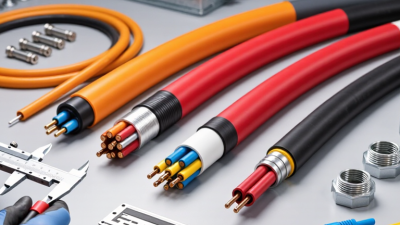
Common options include building wire for fixed installations, flexible cord for movable equipment, and control cable for machinery signals and circuits. Buyers may also need shielded cable where electrical noise could disrupt sensitive signals. Check conductor size, rated voltage, temperature range, and installation method against the project documents. If specifications are incomplete, pause and ask the engineer or installer. Guessing can lead to costly rework.
Tips: Request a datasheet and verify the exact wire construction before ordering. Confirm whether the stated size refers to conductor area or another measurement. Keep a sample label with the purchase records. One small oversight can cause delays—and it is easy to miss.
How Do Standards Ensure Wire Safety and Performance?
Electrical wire standards give global buyers a common way to assess safety and performance. They set requirements for conductor size, insulation thickness, voltage rating, temperature limits, and test methods. These details matter inside a control cabinet, where tightly packed wires may face heat, vibration, and repeated movement. Small details matter.
Standards are not identical in every market or application. A wire suitable for fixed building installation may not be suitable for a moving machine or outdoor equipment. Buyers should confirm that the product’s stated standard matches its intended use and destination. A familiar test mark alone may not answer every question. Check the applicable specification, test reports, and certificate scope.
Good purchasing checks go beyond a label. Compare the stated conductor material and dimensions with the technical sheet, then confirm insulation and temperature ratings. Ask for batch identification and test documentation when consistency is important. A datasheet can look complete and still leave questions, especially about installation conditions. I would verify those details before approving a shipment, rather than assume that similar-looking wires perform alike. Standards reduce uncertainty, but careful review still matters.
Why Is Electrical Wire Important for Global Buyers? - How Do Standards Ensure Wire Safety and Performance?
| Buyer Consideration |
Why It Matters |
Relevant Standard or Requirement |
Practical Check |
| Conductor size and resistance |
Conductor dimensions and resistance affect current-carrying performance, voltage drop, and heat generation. |
IEC 60228 specifies conductor classes and nominal cross-sectional areas for cables. |
Confirm conductor material, nominal area, class, and resistance requirements against the project specification. |
| Voltage rating and insulation |
Insulation must be suitable for the circuit voltage and intended operating conditions to reduce the risk of electrical breakdown. |
IEC 60227 covers certain PVC-insulated cables rated up to and including 450/750 V. IEC 60502-1 covers extruded-insulation power cables rated 1 kV (Um 1.2 kV) and 3 kV (Um 3.6 kV). |
Match the cable’s rated voltage and construction to the equipment, installation, and applicable local rules. |
| Temperature and installation environment |
Ambient heat, bundling, sunlight, moisture, chemicals, and installation method can affect cable life and allowable current. |
Applicable cable standards and national installation codes set requirements based on cable type and intended use. |
Check the manufacturer’s declared temperature limits and verify the installation conditions and current-rating method. |
| Mechanical flexibility and durability |
Conductor class and cable construction influence suitability for fixed wiring, movement, or repeated flexing. |
IEC 60228 defines conductor classes, including classes used for solid, stranded, and flexible conductors. |
Select the conductor class and cable construction for the actual installation; do not assume a flexible cable is suitable for every moving application. |
| Fire behavior and smoke requirements |
Fire-performance requirements can be important in buildings, transport systems, and other locations where fire spread or smoke is a concern. |
Requirements depend on the jurisdiction and application; IEC 60332 series standards include tests for flame propagation on cables. |
Specify the required fire-test method and classification. Flame-retardant performance should not be confused with fire resistance or low-smoke performance. |
| Market access and conformity |
The required standards, approvals, and documentation vary by destination market and intended use. |
Examples include IEC standards used internationally and UL standards used in relevant North American applications; applicable national regulations take precedence. |
Verify the exact standard edition, required certification or test evidence, product marking, and destination-market rules before purchase. |
| Traceability and documentation |
Clear documentation helps buyers confirm that supplied wire matches the specified construction and supports inspection and quality control. |
Documentation requirements are set by the purchase specification, applicable standards, and local regulations. |
Request datasheets, test reports or certificates where required, batch identification, and legible cable markings. |
Note: Standard scope and regulatory requirements depend on product type, application, and destination market. Confirm the current applicable editions and local requirements before procurement.
What Should Global Buyers Consider Before Purchasing Wire?
Global buyers should examine electrical wire as a complete product, not simply as copper covered with plastic. Conductor material affects conductivity, weight, and long-term performance. Copper usually offers excellent conductivity, while aluminum can reduce weight and cost. The choice depends on load, installation conditions, and local requirements. Insulation also matters. PVC, XLPE, and other materials perform differently under heat, moisture, sunlight, and mechanical stress.
Check the wire’s rated voltage, temperature range, cross-sectional area, and current capacity. A cable that looks thick may still contain an undersized conductor. Ask for test reports, material specifications, and evidence of production traceability. Confirm which technical standards apply in the destination market. Requirements can differ between residential buildings, industrial equipment, and outdoor installations. Do not rely on a certificate image alone. Verify its scope, date, and issuing organization.
Packaging deserves attention too. Long coils need protection from water, crushing, and sharp edges during transport. Labels should show size, length, conductor type, insulation, batch number, and manufacturing date. These details support inspection after delivery. Price requires careful judgment. A cheaper offer may reflect thinner insulation or inconsistent dimensions. Yet expensive wire is not automatically better. No checklist is perfect. Buyers can still miss storage conditions or installation practices. Request samples when possible, measure them independently, and record every agreed specification before placing an order.