Top 10 High Temp Wire Options for Global Buyers?
In today's advanced manufacturing world, high temp wire has become essential for various applications. These wires can withstand intense heat and harsh environments. Choosing the right type is crucial for optimal performance and safety.
Global buyers often face challenges in selecting high temp wire due to the vast options available. Each wire type offers unique benefits that cater to specific needs. For instance, certain materials excel in flexibility while others focus on durability.
Understanding these differences can significantly impact project success. Buyers must consider factors like temperature rating, insulation type, and application environment. This knowledge helps in making informed decisions. While many products are widely available, determining the best fit requires careful evaluation and some trial and error. By exploring various options, buyers can find the perfect high temp wire for their requirements.
Introduction to High Temperature Wires: What You Need to Know
High temperature wires play a crucial role in various industries, especially in environments involving heat and electrical conductivity. These wires are designed to withstand extreme temperatures, making them essential for applications such as aerospace, automotive, and industrial machinery. Understanding the specifications and materials used in high temperature wires is vital for buyers. Different applications require different ratings and coatings, so knowing the right wire for your needs is paramount.
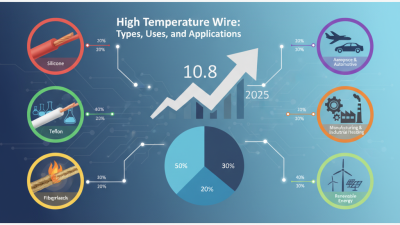
When choosing high temperature wires, consider the insulation type and temperature rating. Common materials include silicone, PTFE, and fiberglass. Each material has unique properties suited for specific environments. For example, silicone-insulated wires are flexible and remain effective at high temperatures, while PTFE offers excellent chemical resistance.
Pay attention to the wire gauge as well. Thicker wires can handle higher currents, but they may be harder to work with. It's essential to find a balance between flexibility and strength. This may require some experimentation and adjustments based on your specific application.
Regularly review suppliers and their material specifications. Not all wires are created equal. Finding a reliable source involves checking certifications and past customer reviews. By doing your research, you can make informed decisions that will enhance your project's success.
Top 10 High Temp Wire Options for Global Buyers
| Wire Type |
Max Temperature (°C) |
Material |
Application |
Voltage Rating (V) |
| Silicone Insulated Wire |
200 |
Silicone Rubber |
Automotive, Aerospace |
600 |
| PTFE Wire |
260 |
PTFE (Teflon) |
Medical Devices, Electronics |
500 |
| Fiberglass Insulated Wire |
300 |
Fiberglass |
Industrial, Heating Systems |
600 |
| Kapton Wire |
260 |
Kapton Polyimide |
Aerospace, Robotics |
600 |
| High Temp PVC Wire |
105 |
PVC |
General Electrical Applications |
300 |
| XLPE Wire |
90 |
Cross-linked Polyethylene |
Power Distribution |
600 |
| Rubber Insulated Wire |
90 |
Rubber |
Automotive, Marine |
600 |
| Neoprene Wire |
150 |
Neoprene |
Household Appliances |
300 |
| Silicone High Voltage Wire |
200 |
Silicone |
High Voltage Applications |
1000 |
| Teflon Insulated Hook-Up Wire |
260 |
PTFE |
Consumer Electronics |
600 |
Key Features to Consider When Choosing High Temp Wire
When selecting high-temperature wire, several key features come into play. The wire's temperature rating is essential. Look for wires that can handle the specific temperature range of your application. Insulation material is another critical factor, as it influences the wire's durability and performance. Common options include silicone, Teflon, and fiberglass. Each has its unique properties and suitable temperature thresholds.
Consider the application type. Different sectors, like aerospace or automotive, may require specific standards. Additionally, diameter and flexibility play a role. A thicker wire can offer better conductivity but might be less flexible. Evaluating these characteristics will guide you toward a wire that meets your expectations.
Experimentation with different wires may reveal unexpected results. It's crucial to test various types under actual conditions. Sometimes, a low-cost alternative could outperform more expensive options. Always keep an eye on wire performance over time. Monitor for any signs of wear or degradation after extended use. This reflection helps in making informed decisions for future projects.
Top 10 High Temp Wire Options for Various Applications
High-temperature wires are essential in various applications, from aerospace to industrial machinery. Many buyers face challenges in choosing the right materials without compromising performance. The global market for high-temperature wire has seen an increase, with the demand expected to grow annually by 5.3% from 2021 to 2026, according to recent industry reports.
When selecting high-temp wire, various factors must be considered. Different applications require specific materials. For example, silicone rubber insulation is effective up to 200°C, while PTFE can endure temperatures as high as 260°C. The choice of wire also impacts electrical conductivity. Copper wires are better than aluminum in this regard, but they may not withstand higher temperatures as effectively. Specialized alloys such as Inconel are pivotal in extreme conditions.
Take time to evaluate wire options. Always consider the thermal and electrical specifications that match your needs. Choosing inappropriate materials can lead to failures, compromising safety and performance. Testing under actual working conditions can reveal weaknesses that may not show in controlled environments. The importance of proper insulation cannot be overstated; it ensures longevity and reliability.
Remember that quality matters. Investing in better materials can reduce maintenance costs in the long run. Reporting from various industry surveys indicates that businesses face significant losses due to wire failure. A thoughtful selection process helps in avoiding this risk.
Comparative Analysis of Leading Brands in High Temp Wires
When exploring high-temperature wire options, it is essential to evaluate different brands based on specific criteria. Common considerations include temperature tolerance, insulation materials, and durability. High temp wires must withstand extreme conditions without degrading. Some vendors prioritize flexibility and ease of installation, while others focus on maximum temperature ratings.
Quality often varies significantly between manufacturers. Not all brands conduct rigorous testing on their products. This inconsistency can lead to unexpected failures in critical applications. Some wires may appear robust but can break down when exposed to high heat for extended periods. Potential buyers must seek detailed specifications and product reviews.
Another aspect to consider is the range of temperature limits. Some high temp wires can handle extremes up to 2000°F. This capability is crucial for industries like aerospace and automotive. However, not every wire meets these demands reliably. Ultimately, thoughtful comparisons among options reveal the true performers in the high-temperature wire market.
Global Standards and Certifications for High Temperature Wiring
When considering high-temperature wiring, it’s crucial to understand global standards and certifications. These guidelines ensure safety and reliability in various applications. Organizations like ASTM and IEC set parameters for materials and performance. High-temperature wires must withstand extreme conditions, making compliance to these standards essential for manufacturers and users alike.
Different industries may require specific certifications. For aviation, the standards are stringent due to safety concerns. Electronics have their own set of rules that focus on the wire's insulating properties. Some wires are suited for industrial environments, while others excel in automotive settings. Meeting these requirements demonstrates a commitment to quality.
While many wires claim high-temperature resistance, not all pass rigorous testing. Some may degrade faster than expected or fail to operate under real conditions. Selecting the right wire involves careful consideration of these certifications. It is essential to navigate this landscape with an eye for detail. Always verify claims through reputable sources. This approach not only enhances safety but also ensures performance over time.
Top 10 High Temp Wire Options for Global Buyers