What Are the Top Types of Insulated Wire in 2026?
Choosing insulated wire in 2026 is less about finding one “best” option and more about matching insulation to heat, voltage, movement, moisture, and installation conditions. A cable beside a hot motor faces different demands from a buried feeder or a flexible appliance lead. Small details matter. PVC is common in general-purpose applications; cross-linked polyethylene (XLPE) is widely used in power distribution; rubber compounds suit repeated flexing; and fluoropolymers serve demanding heat or chemical environments. Mineral-insulated cable can be appropriate where fire performance and mechanical protection are priorities. These are broad families, not guarantees: construction, ratings, and standards vary by product and market.
The scale of infrastructure investment makes these choices consequential. The International Energy Agency’s 2023 report, Electricity Grids and Secure Energy Transitions, says annual grid investment must rise to more than $600 billion by 2030. It also estimates that about 80 million kilometres of grids must be added or refurbished by 2040. The report does not rank insulation materials, but its projections underscore the need for dependable, fit-for-purpose conductors. This guide compares leading insulated wire types by performance, typical use, and trade-offs, including heat resistance, flexibility, durability, and installation environment. Product datasheets and qualified electrical design should guide the final selection. A label alone is not enough. Some comparisons remain messy: “best” depends on the job, and that is easy to overlook.
How Insulated Wire Is Built and Classified
What Are the Top Types of Insulated Wire in 2026?
How Insulated Wire Is Built and Classified
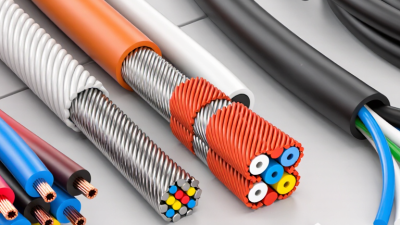
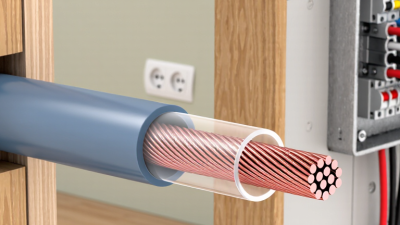
Insulated wire is a layered assembly: a conductive metal core, an insulating layer, and sometimes an outer jacket. Copper is common for its conductivity; aluminum can reduce weight in some installations. The details matter. IEC 60228 classifies conductors by construction, including solid Class 1, stranded Class 2, and flexible Classes 5 and 6. Its resistance tables show why size and strand class matter: for 2.5 mm² copper, the listed maximum resistance is 7.41 Ω/km for a solid conductor and 7.98 Ω/km for a Class 5 flexible conductor, at 20°C. These are standard reference values, not a substitute for checking a cable’s actual marking.
Insulation type helps determine where a wire may be used. UL 83 covers thermoplastic-insulated wire, including types marked THHN or THWN-2; UL 44 covers thermoset-insulated wire, such as XHHW-2. THHN commonly has a nylon outer layer, while XHHW-2 uses cross-linked polyethylene insulation. Names alone can mislead. Temperature and wet-location ratings depend on the complete marking and applicable installation requirements, not just the insulation material. In practice, read the printed legend and match conductor size, insulation type, and rating to the equipment and environment. A damp enclosure or tight bend can change what seems like a simple choice.
Which Insulation Materials Are Common in 2026?
In 2026, common wire insulation materials include PVC, cross-linked polyethylene (XLPE), polyethylene (PE), rubber, silicone, and fluoropolymers. PVC is widely used in indoor wiring because it is flexible, economical, and available in many thicknesses. XLPE tolerates higher temperatures than many standard PVC formulations and is often selected for power cables. PE provides strong electrical insulation and resists moisture, making it useful in outdoor and communications applications.
Conditions matter. Rubber insulation bends well and can withstand rough handling, which suits flexible cords and equipment leads. Silicone remains pliable across a broad temperature range, though it may not offer the same abrasion resistance as tougher coverings. Fluoropolymer insulation can handle heat and chemicals, but its cost and installation needs may limit its use. The right material depends on operating temperature, voltage, moisture, movement, and exposure to oils or chemicals. Check the cable’s technical datasheet and applicable ratings rather than choosing by material name alone. A small detail can change the result: a cable routed near a hot motor needs different properties from one inside a dry wall.
How Do PVC, XLPE, Rubber, and Specialty Wires Differ?
PVC, XLPE, rubber, and specialty insulation solve different problems. PVC is common in building and equipment wiring because it is cost-effective, moisture-resistant, and easy to handle. Its temperature and chemical limits depend on the specific construction. A warm enclosure can expose a weakness that looked irrelevant on a cool workbench.
XLPE, or cross-linked polyethylene, handles higher operating temperatures than many standard PVC constructions and offers strong electrical insulation. It is often used in power cables, including some buried installations. But insulation alone does not make a cable suitable for direct burial; the outer jacket and installation conditions matter too. Small detail, big difference.
Rubber-insulated wire is valued for flexibility, vibration resistance, and performance in demanding environments. It can suit portable equipment and areas where cables bend repeatedly, though formulations differ in resistance to heat, oil, sunlight, and aging. Specialty wires cover narrower needs: silicone insulation tolerates high temperatures, while fluoropolymer types resist many chemicals. Shielded or fire-resistant constructions address other specific hazards. None is universally best. Check the cable’s datasheet for voltage, temperature, conductor size, and approved use. Choosing only by insulation name is tempting, but incomplete.
What Are the Top Types of Insulated Wire in 2026?
Typical continuous conductor temperature ratings for selected insulation types
PVC is a common general-purpose choice, while XLPE typically supports higher operating temperatures and offers good electrical properties. Silicone rubber remains flexible at high and low temperatures; PTFE is a specialty option valued for heat and chemical resistance. Ratings shown are representative, not universal: actual limits depend on the wire construction, applicable standard, and manufacturer specification. “Specialty wire” covers many materials; PTFE is shown here as one example.
Where Is Each Type of Insulated Wire Commonly Used?
PVC-insulated wire is common in household appliances, control panels, and low-voltage equipment, where flexibility and moisture resistance are useful. For building circuits, THHN/THWN-2 conductors are often pulled through conduit in homes, shops, and commercial buildings. Their ratings distinguish suitable dry and wet locations. Check the cable markings.
XLPE-insulated cables are widely used for power distribution in industrial facilities and utility systems, including some buried installations when the complete cable is rated for that use. Rubber-insulated cords serve portable tools, site equipment, and machinery exposed to movement or abrasion. They bend well. Silicone insulation appears in ovens, heating equipment, and lighting near elevated temperatures, while mineral-insulated cable is chosen for demanding high-temperature or fire-resistance applications. The exact construction matters more than the insulation name alone. A cable intended for one environment may fail in another, and I would not assume that a familiar type suits every installation. Always match its voltage, temperature, and location ratings to the equipment and installation conditions.
How Do Ratings and Conditions Guide Wire Selection?
In 2026, wire selection still starts with the installation conditions, not the insulation name. THHN/THWN-2 is common in conduit, while XHHW-2 offers cross-linked polyethylene insulation for demanding wet or dry locations. The NEC 2023 ampacity table lists 14 AWG copper at 20 amperes in the 60°C column and 25 amperes in the 90°C column. That difference is not permission to use the higher value automatically. The conductor, terminal temperature limits, and applicable correction factors all matter. Check the equipment label and local code requirements.
Temperature and moisture ratings can change a practical choice. UL 83 covers thermoplastic-insulated building wires, including THHN/THWN-2 types; the “-2” designation indicates a 90°C wet or dry rating. But bundled conductors, hot attics, and direct sunlight can reduce allowable ampacity. For example, a crowded conduit above a sun-warmed ceiling may need derating even when the wire’s insulation carries a 90°C rating. Small details matter. Verify conductor size, voltage rating, exposure, and termination ratings before installation.
Tips: Match the wire’s wet-location rating to the actual route, not just the room. Read the full marking printed on the insulation. Keep a note of ambient temperature and conductor count; they are easy to overlook during a quick estimate. When conditions fall between categories, ask a qualified electrician to confirm the calculation.